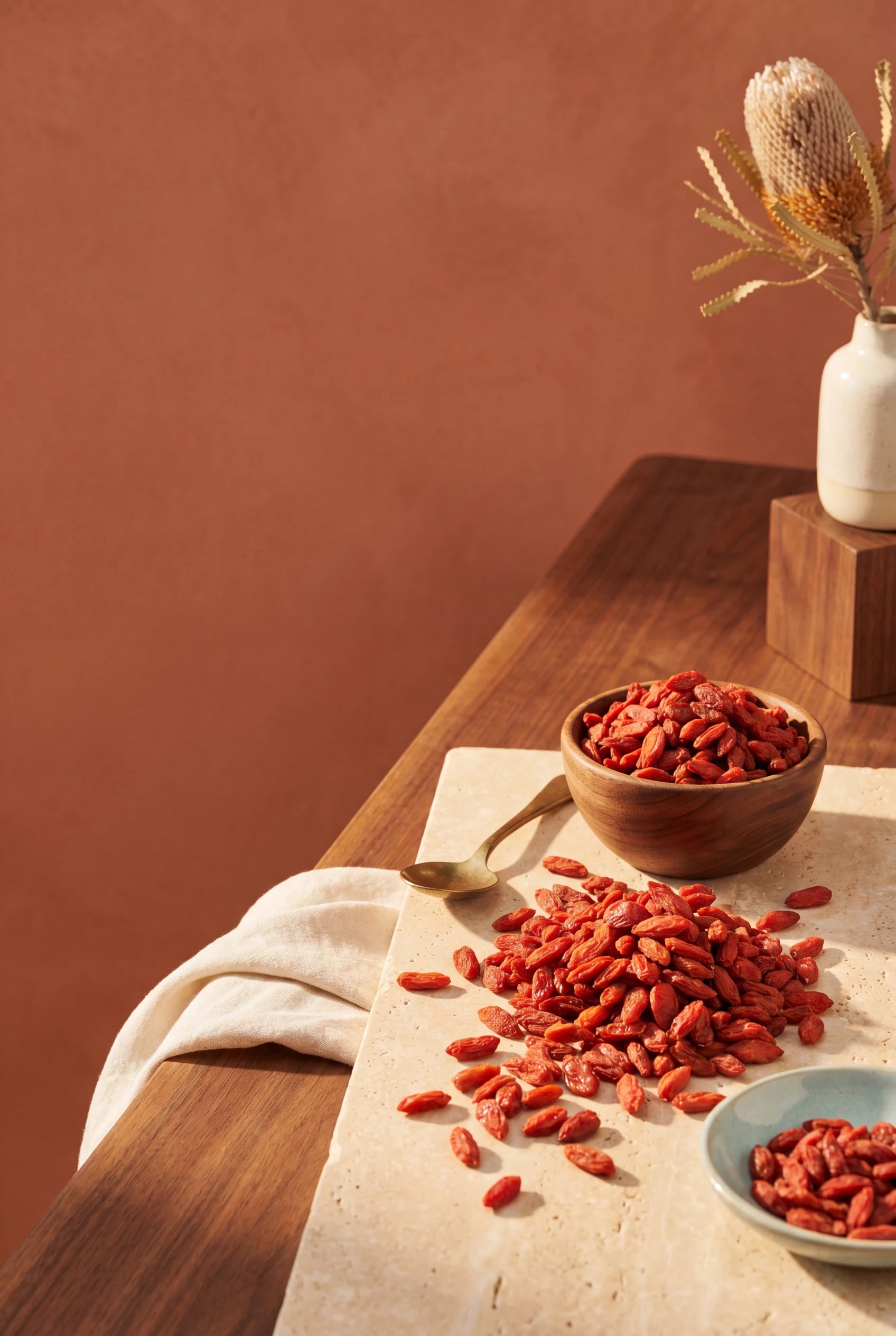
Goji berry

Goji berry tea benefits: antioxidants, carotenoids and tradition

An honest look at the bright berry, its real nutrient content, and where the research is funded

In short

Goji berries are genuinely nutrient-rich, carrying carotenoids like zeaxanthin, vitamin C and polysaccharides, with a long traditional use in Chinese herbalism. The catch worth knowing: much of the goji research is industry-funded, so we cite it for composition rather than health outcomes. Sippo Good Times includes goji in a bright, caffeine-free fruit cup. Enjoy it for the real fruit and the flavour, not a cure.

Goji has been a tonic berry in traditional Chinese herbalism for centuries, and it is genuinely nutrient-dense, rich in carotenoids and vitamin C. It also comes with a research caveat we would rather flag than hide: a lot of the studies are industry-funded. Good Times includes goji, so this page gives you the honest, nutrient-first version.

The pick

What we'd reach for

Includes goji berryGood Times

Good Times

mandarin berry hibiscus tea

Best for
A bright, nutrient-rich, caffeine-free fruit cup
Hero ingredient
Goji berry
Match
Anyone who loves a fruity cup, hot or iced

How it compares

Sippo Good Times vs a sugary berry drink

What matters in a berry cupSippo Good TimesConventional
Real whole goji and fruitYes, visible piecesOften flavouring and sugar
Added sugarNone, sweet from real fruitOften high
Caffeine freeYesVariable
Carotenoids and vitamin C from fruitYesRarely
Honest about the researchYes, funding caveats flaggedOften overclaims
Certified organicYesRarely

What's inside, and why

The ingredients doing the work

Found in: Good Times teaEmerging

Goji berry

Lycium barbarum

The star. Goji carries carotenoids like zeaxanthin, vitamin C and polysaccharides, with a long traditional use. A trial linked daily goji to higher plasma zeaxanthin and macular pigment (Bucheli et al., 2011), though it was industry-funded, so we cite goji for its real nutrient content, not a health outcome (Amagase & Farnsworth, 2011).

Found in: Good Times teaWell established

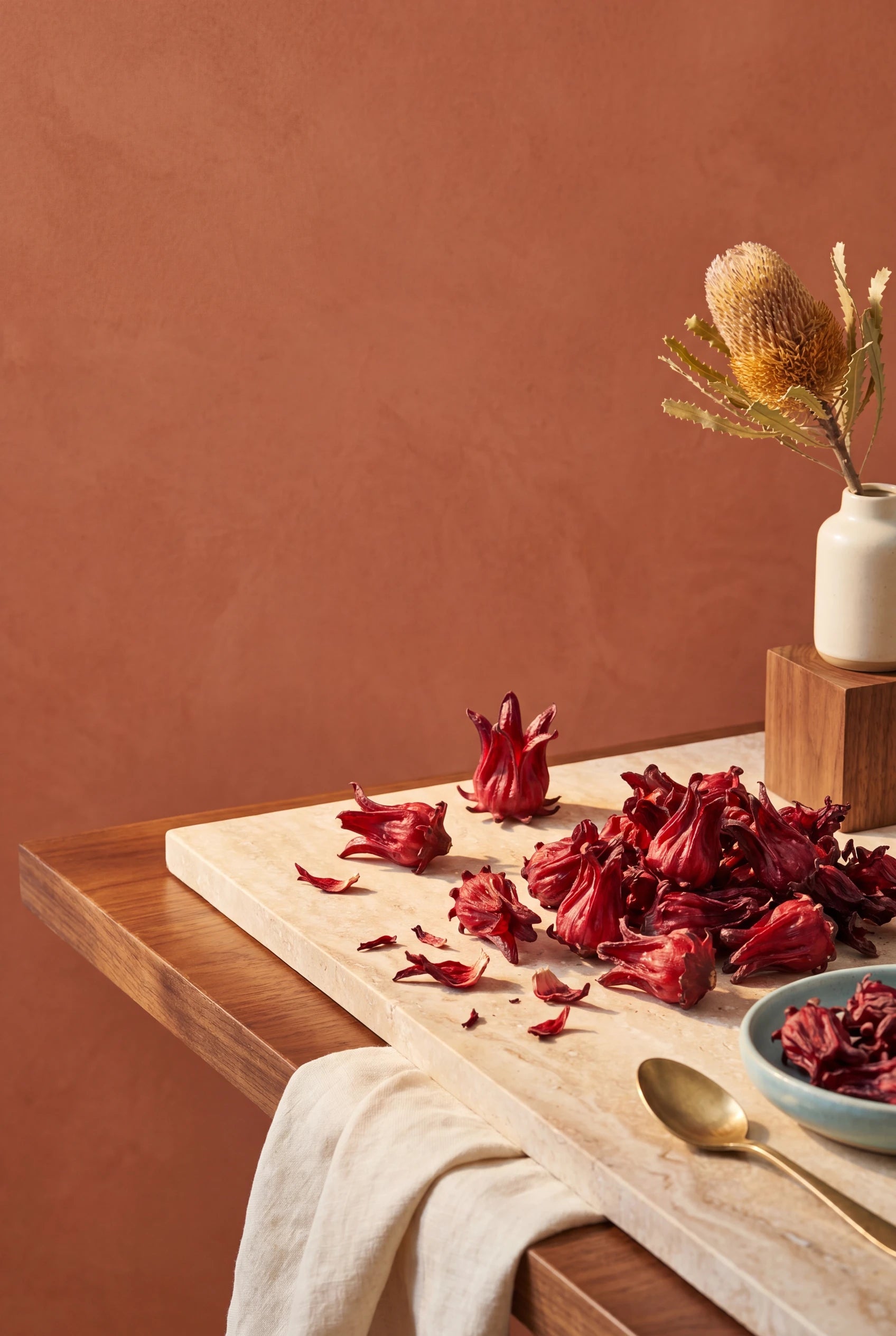
Hibiscus flower

Hibiscus sabdariffa

The ruby base, rich in antioxidant anthocyanins and vitamin C, and the tart backbone that balances goji's soft sweetness.

Found in: Good Times teaTraditional

Mandarin peel

Citrus reticulata

Bright citrus that lifts the whole cup, with the vitamin C and flavonoids citrus peel is known for.

Found in: Good Times teaEmerging

Acai berry

Euterpe oleracea

A deep berry note valued for its anthocyanin antioxidant content, adding rounded depth alongside the goji.

How it adapts

What you need, and how it helps

TargetHow it solves itKey ingredientWhat you'll notice
Wanting a nutrient-rich berry cupReal goji with carotenoids and vitamin CGoji berryA genuinely fruit-rich brew
Curious about goji's benefitsAn honest, nutrient-first readGoji berryComposition, not hype
Cutting sugary berry drinksSweetness from real fruit, none addedReal fruitA better daily habit
Avoiding caffeineNaturally caffeine-freeFruit and flower, no tea leafEnjoy it any hour
Wanting it hot or icedBrews well both waysThe whole blendA year-round cup

People also ask

Questions, answered

Goji is genuinely nutrient-rich, carrying carotenoids like zeaxanthin, vitamin C and polysaccharides, with a long traditional use as a tonic berry. We are honest that much of the human research is industry-funded (Bucheli et al., 2011; Amagase & Farnsworth, 2011), so we describe goji for its real nutrient content rather than claiming a specific health outcome from a cup of tea.

Goji is rich in zeaxanthin, a carotenoid found in the eye, and a trial linked daily goji intake to higher macular pigment (Bucheli et al., 2011). But that study was industry-funded and used goji as a food, not a tea, so we will not claim Good Times benefits your eyes. We cite it for the carotenoid content, honestly framed.

Yes. Good Times is a fruit and flower blend with no tea leaf, so no caffeine, and no added sugar either.

Both are lovely. Hot, it is warm and ruby; iced, brewed double strength over ice, it makes a bright, refreshing berry tea.

Goji berry, honestly

The deep dive

A genuine tonic berry

Goji, or wolfberry, has been a tonic fruit in traditional Chinese herbalism for centuries, valued for vitality and eye health in that tradition. Unlike some trendy berries it is genuinely nutrient-dense, carrying carotenoids like zeaxanthin, vitamin C and the polysaccharides researchers find interesting. So there is real substance behind the bright orange berry, not just marketing.

The research, and its caveat

Here is the honest part. There is some human research, including a trial that linked daily goji intake to higher plasma zeaxanthin and macular pigment (Bucheli et al., 2011), and reviews of its composition and traditional use (Amagase & Farnsworth, 2011). But a lot of the goji evidence is industry-funded or comes from researchers associated with the goji trade, which is a real bias risk. So we cite goji for what it genuinely contains, its nutrients, rather than for health outcomes we cannot stand behind.

What it brings to the cup

In Good Times, goji plays a flavour role as much as a nutrient one: its soft, mild sweetness balances the tart ruby hibiscus, so the cup is bright rather than sour and needs no added sugar. Alongside acai, mandarin and the rest, it helps make the blend a genuinely fruit-rich, antioxidant-dense brew.

How to enjoy it honestly

Think of Good Times the way we do: a delicious, caffeine-free, no-added-sugar fruit tea built from real, nutrient-rich ingredients, including goji, with the research treated as interesting context rather than a promise. Choosing it over a sugary berry drink is a small, real upgrade. Enjoy it for the fruit and the flavour.

About the author

Dan Bartley

Co-founder, Sippo

Dan co-founded Sippo with Nicole and writes the brand's ingredient guides, working from peer-reviewed sources and standards bodies like Cochrane and the NIH. He is not a medical professional, and these guides are educational, not medical advice. Every clinical claim on this page is cited in full below, with its evidence tier and any caveats noted honestly.

hello@sippo.au
The research behind this3 peer-reviewed sources, with tiers and caveats
  1. Bucheli, P., Vidal, K., Shen, L., Gu, Z., Zhang, C., Miller, L. E., & Wang, J. (2011). Goji berry effects on macular characteristics and plasma antioxidant levels. Optometry and Vision Science, 88(2), 257-262. https://doi.org/10.1097/OPX.0b013e318205a18f

    Tier 2Randomised controlled trial

    Daily goji intake raised plasma zeaxanthin and macular pigment in older adults. Industry-funded (Nestlé), so bias risk is flagged; cited for the carotenoid/antioxidant mechanism, not as proof of an eye-health outcome from tea.

  2. Amagase, H., & Farnsworth, N. R. (2011). A review of botanical characteristics, phytochemistry, clinical relevance in efficacy and safety of Lycium barbarum fruit (Goji). Food Research International, 44(7), 1702-1717. https://doi.org/10.1016/j.foodres.2011.03.027

    Tier 2Peer-reviewed review

    Reviews goji's composition (polysaccharides, carotenoids, vitamin C) and traditional use. The author is associated with the goji supplement industry, so we use it for composition only, not efficacy claims.

  3. Ellis, L. R., Zulfiqar, S., Holmes, M., Marshall, L., Dye, L., & Boesch, C. (2022). A systematic review and meta-analysis of the effects of Hibiscus sabdariffa on blood pressure and cardiometabolic markers. Nutrition Reviews, 80(6), 1723-1737. https://doi.org/10.1093/nutrit/nuab104

    Tier 2Systematic review and meta-analysis (17 trials)

    Pooled chronic trials found hibiscus lowered systolic blood pressure by about 7 mmHg versus placebo. Most trials used concentrated hibiscus over weeks; a fruit blend with hibiscus is gentler, so this is context, not a promise.

A nutrient-rich berry, honestly described

Bright, caffeine-free and full of real fruit, with the research told straight. Love it in 30 days or it's on us.

Shop Good Times