Organic and ingredient-led

Best organic, all-natural body scrub for people who read the label

An organic body scrub of eight food-grade ingredients, with no SLS, no synthetic fragrance and nothing you cannot recognise

In short

For anyone who reads ingredient lists, the best body scrub is one with a short, recognisable list of certified-organic ingredients and none of the fillers. Sippo Mint Condition is eight food-grade ingredients, sugar, salt, three plant oils, matcha, cacao and peppermint, with no SLS, no synthetic fragrance and no plastic microbeads. Every one earns its place and we can tell you why. Used two to three times a week, it smooths, hydrates and brightens. It is genuinely clean cosmetic care, not a marketing claim.

Clean is one of the most abused words in skincare, slapped on products with a long tail of synthetic ingredients underneath. The honest version is simple: a short list of real, recognisable ingredients you could read aloud, sourced organic, with the common irritants and fillers left out. Mint Condition is exactly that, eight food-grade ingredients, each chosen for a reason we can defend, and this page walks through all of them.

The pick

What we'd reach for

For label-readersMint Condition

Mint Condition

matcha mint body scrub

Best for
Genuinely clean, organic, all-natural body care
Hero ingredient
Eight food-grade organic ingredients
Match
Anyone who reads the label, all skin types

How it compares

Sippo vs conventional 'clean' scrubs

What clean should actually meanSippo Mint ConditionConventional
Short, recognisable ingredient listYes, eight food-grade ingredientsOften long lists with fillers
Certified organicYesSometimes, or only partly
SLS and harsh detergentsNoneCommon, even in 'natural' scrubs
Synthetic fragranceNone, scent from real ingredientsVery common
Plastic microbeadsNever, sugar and salt insteadStill in many scrubs
Vegan and cruelty freeYesVariable
Made in Australia, small batchYes, hand-blended in SydneyUsually mass-produced offshore

What's inside, and why

The ingredients doing the work

Found in: Mint Condition body scrubWell established

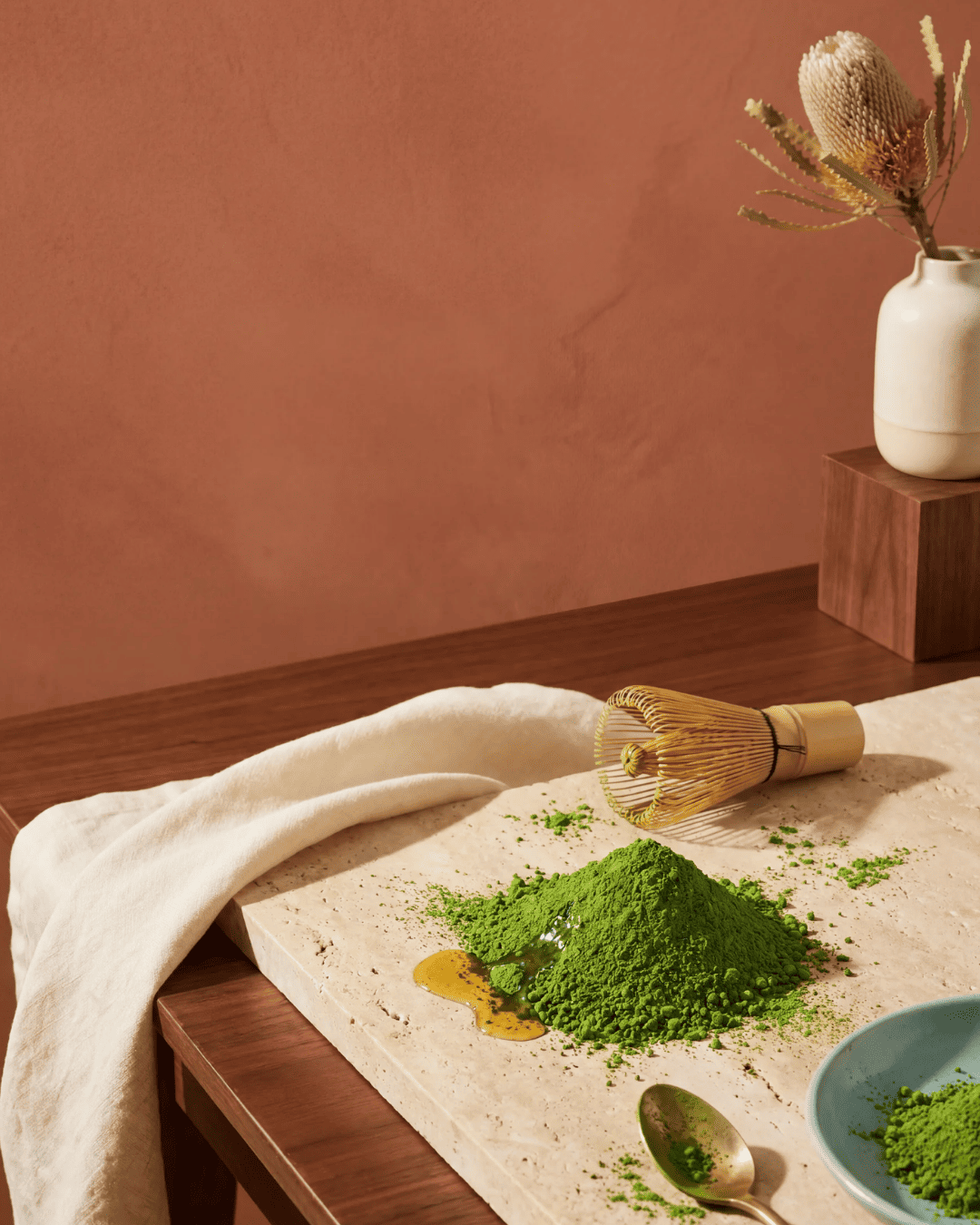
Matcha green tea

Camellia sinensis

The antioxidant active. Matcha is a green tea, carrying the catechins like EGCG that are among the most-studied topical skin antioxidants (Katiyar et al., 2001), the kind of active usually found only in face products.
Found in: Mint Condition body scrubWell established

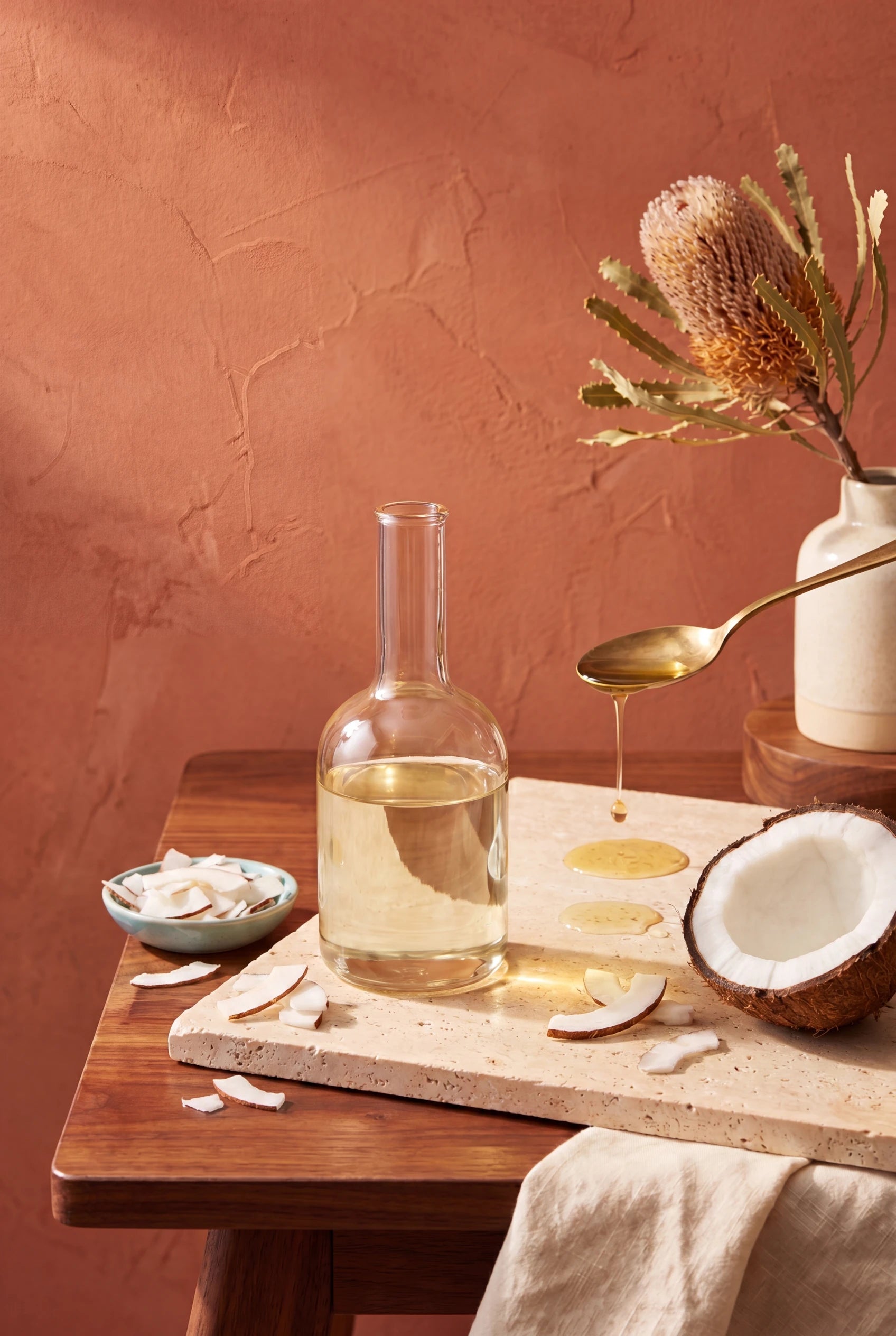
Coconut oil

Cocos nucifera

Food-grade and barrier-supporting, with reduced water loss versus mineral oil in a controlled trial (Evangelista et al., 2014). One of three plant oils doing the moisturising, so there is no need for synthetic emollients.

Found in: Mint Condition body scrubWell established

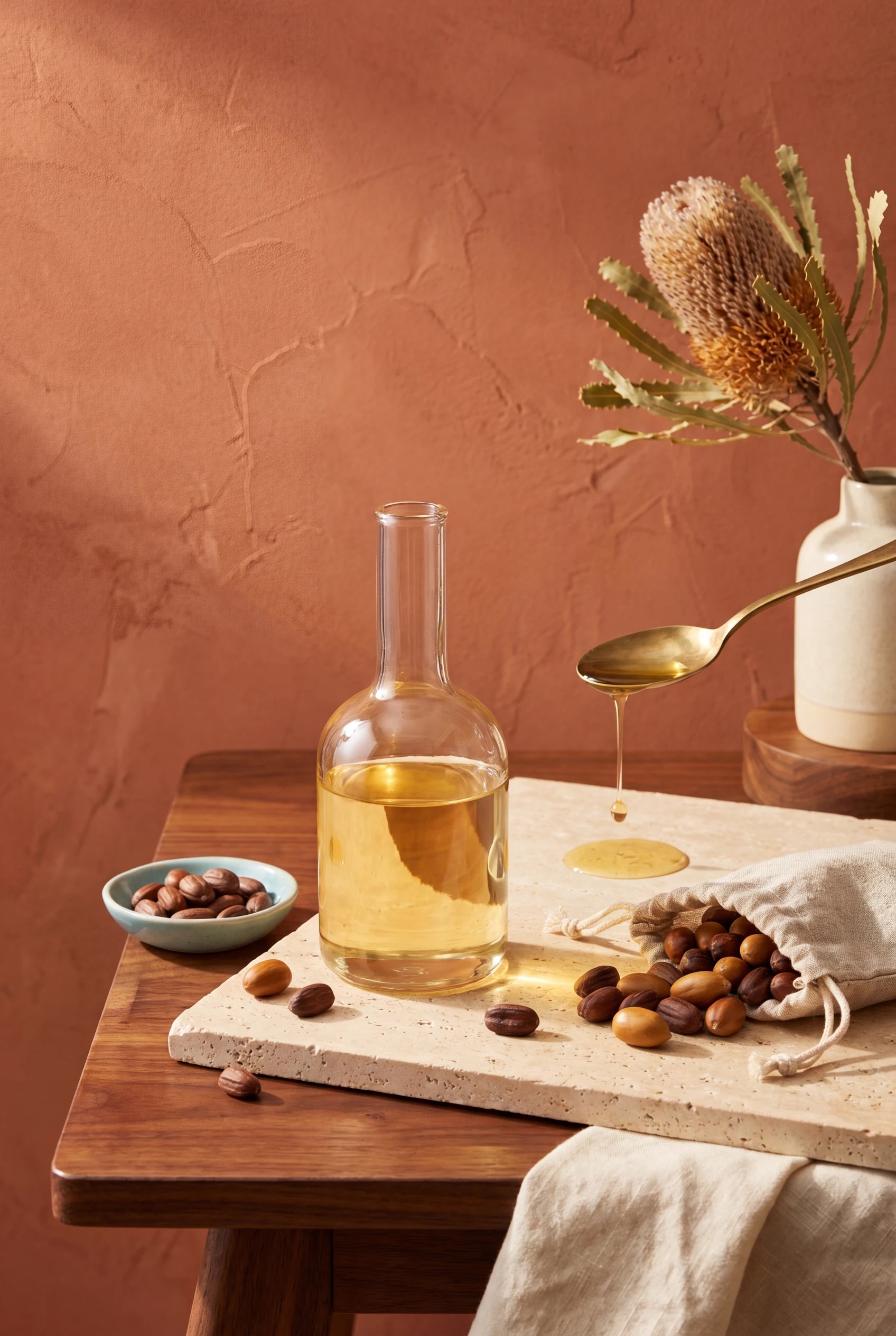
Jojoba oil

Simmondsia chinensis

So close to your skin's own sebum it conditions without clogging pores (Pazyar et al., 2013). A clean, single-ingredient oil where many products use a blend of synthetics.

Found in: Mint Condition body scrubWell established

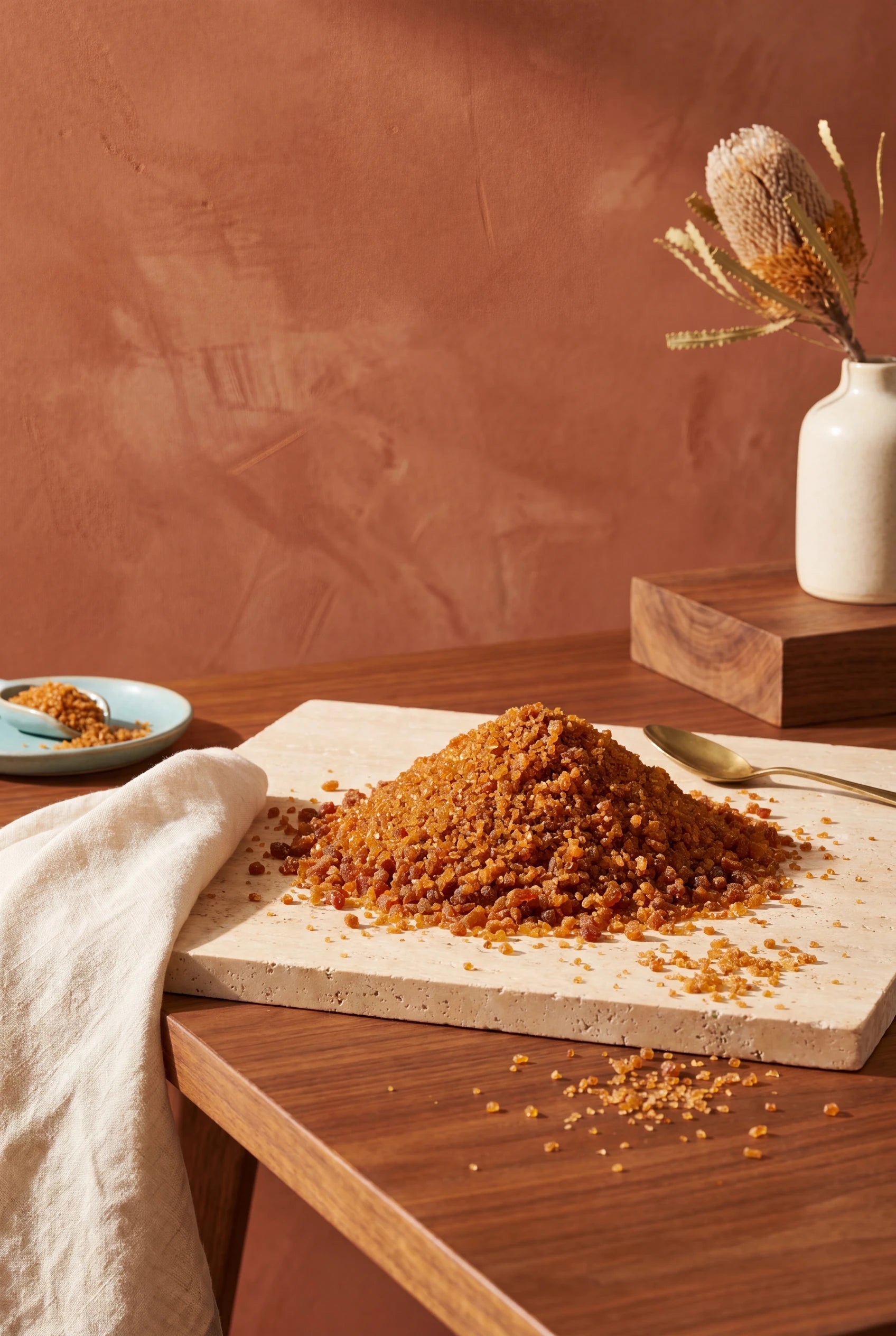
Rapadura sugar

Saccharum officinarum

Unrefined whole-cane sugar, a natural exfoliant whose molasses carries gentle AHAs (Tang & Yang, 2018), and the reason there are no plastic microbeads in the formula.

How it adapts

What you need, and how it helps

TargetHow it solves itKey ingredientWhat you'll notice
Wanting a list you can read aloudEight recognisable food-grade ingredientsThe whole formulaNothing you cannot pronounce
Avoiding SLS and detergentsNone used, oils cleanse and conditionThree plant oilsNo stripping, no irritation
Avoiding synthetic fragranceScent comes from real ingredientsPeppermint, cacao, matchaA clean, real scent
Avoiding plastic microbeadsSugar and salt do the exfoliatingRapadura + pink saltNo plastic down the drain
Wanting certified-organic careOrganic, food-grade ingredientsAll eightClean you can actually verify
Caring how it is madeHand-blended in small batches in SydneyMade in AustraliaLocal, not mass-produced offshore

Routine pairings

Support the routine

If clean ingredients matter on your skin, they matter in your cup too.

Good Times

Good Times

mandarin berry hibiscus tea

Good Times is our most ingredient-dense tea: acai, hibiscus, hawthorn, goji, mandarin peel, raspberry leaf and rose petals, all organic, with no added sugar and no added flavours. The same short-list, real-ingredient thinking, in a glass.

See Good Times

People also ask

Questions, answered

A short, honest list. It is eight food-grade ingredients you would recognise, all certified organic, with no SLS, no synthetic fragrance, no plastic microbeads and no fillers. We can give you a reason for every single one, which is the test most products labelled 'clean' quietly fail.

The ingredients are certified organic and food-grade where it counts. The scent comes from the real peppermint, cacao and matcha in the blend rather than added fragrance, and there is nothing on the label put there purely to bulk it out.

Because they are unnecessary and they pollute waterways. Plenty of scrubs still use polyethylene beads to exfoliate; we use unrefined sugar and pink salt, which work just as well, dissolve harmlessly and are food-grade. It is a small choice that keeps plastic out of the water.

What 'clean' should mean, in depth

The deep dive

Why 'clean' and 'natural' need scrutiny

Neither word is regulated in cosmetics, so they get used freely, often on products whose ingredient lists tell a different story underneath the front-of-pack claim. A scrub can say natural and still contain SLS, synthetic fragrance, synthetic emollients and plastic microbeads. The only reliable test is the ingredient list itself: how short is it, how many of the names do you recognise, and can the brand explain why each one is there. A genuinely clean product welcomes that scrutiny.

The eight, and why each is there

Mint Condition is built to pass that test with eight food-grade ingredients. Rapadura sugar and pink salt exfoliate, replacing plastic microbeads, with the sugar's natural AHAs giving a gentle chemical assist (Tang & Yang, 2018). Coconut, jojoba and almond oils moisturise instead of synthetic emollients, with coconut shown to support the barrier (Evangelista et al., 2014) and jojoba conditioning like your own sebum (Pazyar et al., 2013). Matcha and cacao bring real antioxidants, the catechins in green tea being well studied on skin (Katiyar et al., 2001). And peppermint oil gives the cooling finish and clean scent, so there is no synthetic fragrance. Eight ingredients, four jobs, nothing for filler.

Clean on your skin and in the water

Clean is also about what happens after it goes down the drain. Plastic microbeads, still used in many scrubs, wash into waterways and do not break down, which is why they have been banned in several countries. Using unrefined sugar and pink salt instead means the exfoliant dissolves harmlessly. Add the small-batch, made-in-Sydney production, the vegan and cruelty-free status, and the absence of SLS and synthetic fragrance, and clean stops being a front-of-pack word and becomes something you can actually verify, line by line.

About the author

Dan Bartley

Co-founder, Sippo

Dan co-founded Sippo with Nicole and writes the brand's ingredient guides, working from peer-reviewed sources and standards bodies like Cochrane and the NIH. He is not a medical professional, and these guides are educational, not medical advice. Every clinical claim on this page is cited in full below, with its evidence tier and any caveats noted honestly.

hello@sippo.au
The research behind this4 peer-reviewed sources, with tiers and caveats
  1. Katiyar, S. K., Afaq, F., Perez, A., & Mukhtar, H. (2001). Green tea polyphenol (-)-epigallocatechin-3-gallate treatment of human skin inhibits ultraviolet radiation-induced oxidative stress. Carcinogenesis, 22(2), 287-294. https://doi.org/10.1093/carcin/22.2.287

    Tier 2Controlled human skin study

    Direct evidence that topical EGCG reduces UV-induced oxidative stress in human skin. Used a purified EGCG preparation, not a sugar scrub; cited for the antioxidant mechanism.

  2. Evangelista, M. T. P., Abad-Casintahan, F., & Lopez-Villafuerte, L. (2014). The effect of topical virgin coconut oil on SCORAD index, transepidermal water loss, and skin capacitance in mild to moderate pediatric atopic dermatitis. International Journal of Dermatology, 53(1), 100-108. https://doi.org/10.1111/ijd.12339

    Tier 2Randomised controlled trial

    Topical virgin coconut oil reduced transepidermal water loss and improved skin hydration versus mineral oil (mean SCORAD reduction 68% vs 38%). Population was paediatric atopic dermatitis, not the general body-skin user; cited for the barrier and hydration mechanism.

  3. Pazyar, N., Yaghoobi, R., Ghassemi, M. R., Kazerouni, A., Rafeie, E., & Jamshydian, N. (2013). Jojoba in dermatology: A succinct review. Giornale Italiano di Dermatologia e Venereologia, 148(6), 687-691.

    Tier 2Peer-reviewed review

    Reviews jojoba's close similarity to human sebum, its non-comedogenic conditioning, and anti-inflammatory action. Review-level evidence, not a single large trial.

  4. Tang, S.-C., & Yang, J.-H. (2018). Dual effects of alpha-hydroxy acids on the skin. Molecules, 23(4), 863. https://doi.org/10.3390/molecules23040863

    Tier 2Peer-reviewed review

    Supports the AHA exfoliation mechanism. Discusses AHAs at formulation strengths above what raw rapadura sugar delivers, so the page applies the mechanism, not the magnitude.

Clean you can actually read

Eight organic ingredients, zero filler, nothing to hide. Try it for 30 days, on us if you're not convinced.

Shop the range