Hibiscus and blood pressure

Hibiscus tea and blood pressure: what the research actually says

An honest look at the evidence for Hibiscus sabdariffa, and where a hibiscus fruit tea fits

In short

No tea treats high blood pressure, and any product that promises it is overselling. That said, hibiscus is one of the more interesting herbs here: pooled trials have found concentrated hibiscus lowered systolic blood pressure by roughly 7 mmHg versus placebo. Sippo Good Times is a bright fruit blend built on hibiscus, enjoyable hot or iced and caffeine free, but it is a everyday drink, not a medicine. If you are managing blood pressure, keep taking any prescribed treatment and talk to your doctor.

Let's start with the limit, because it matters: no cup of tea is a treatment for high blood pressure, and we will not pretend otherwise. What is genuinely interesting is that hibiscus has drawn real research attention here, with pooled trials showing concentrated hibiscus can nudge blood pressure down. Good Times is a bright, hibiscus-led fruit tea you will actually enjoy, so this page lays out the evidence honestly and lets you decide where a daily cup fits.

The pick

What we'd reach for

Hibiscus-led fruit teaGood Times

Good Times

mandarin berry hibiscus tea

Best for
A bright, caffeine-free hibiscus cup to enjoy daily
Hero ingredient
Hibiscus flower
Match
Anyone who likes a tart, fruity cup, hot or iced

What's inside, and why

The ingredients doing the work

Found in: Good Times teaEmerging

Hibiscus flower

Hibiscus sabdariffa

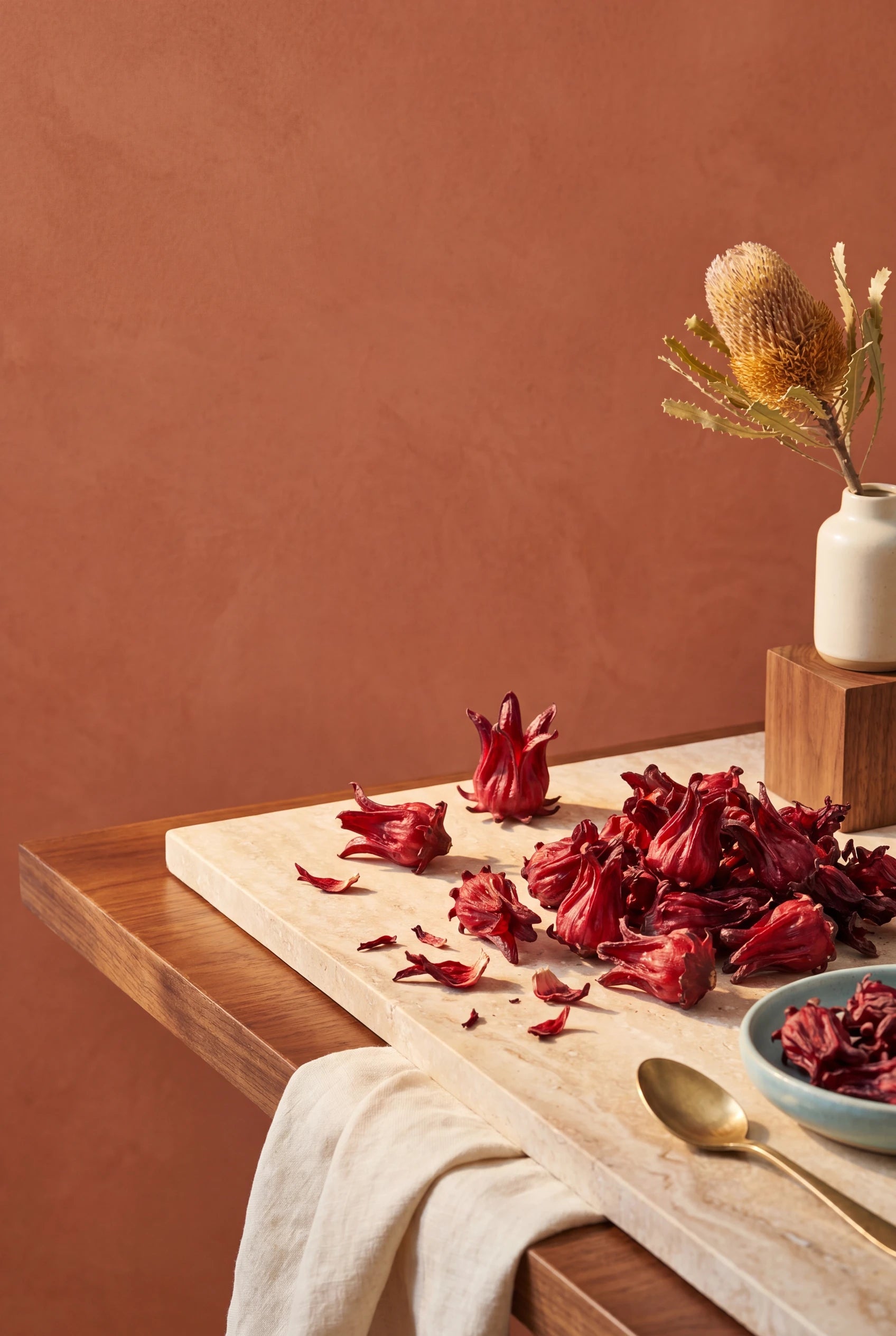
The ruby base, and the reason this page exists. Pooled trials found concentrated hibiscus lowered systolic blood pressure by about 7 mmHg versus placebo (Ellis et al., 2022; Serban et al., 2015). Those were higher doses than a fruit blend; we cite the research, we do not promise the result.
Found in: Good Times teaTraditional

Mandarin peel

Citrus reticulata

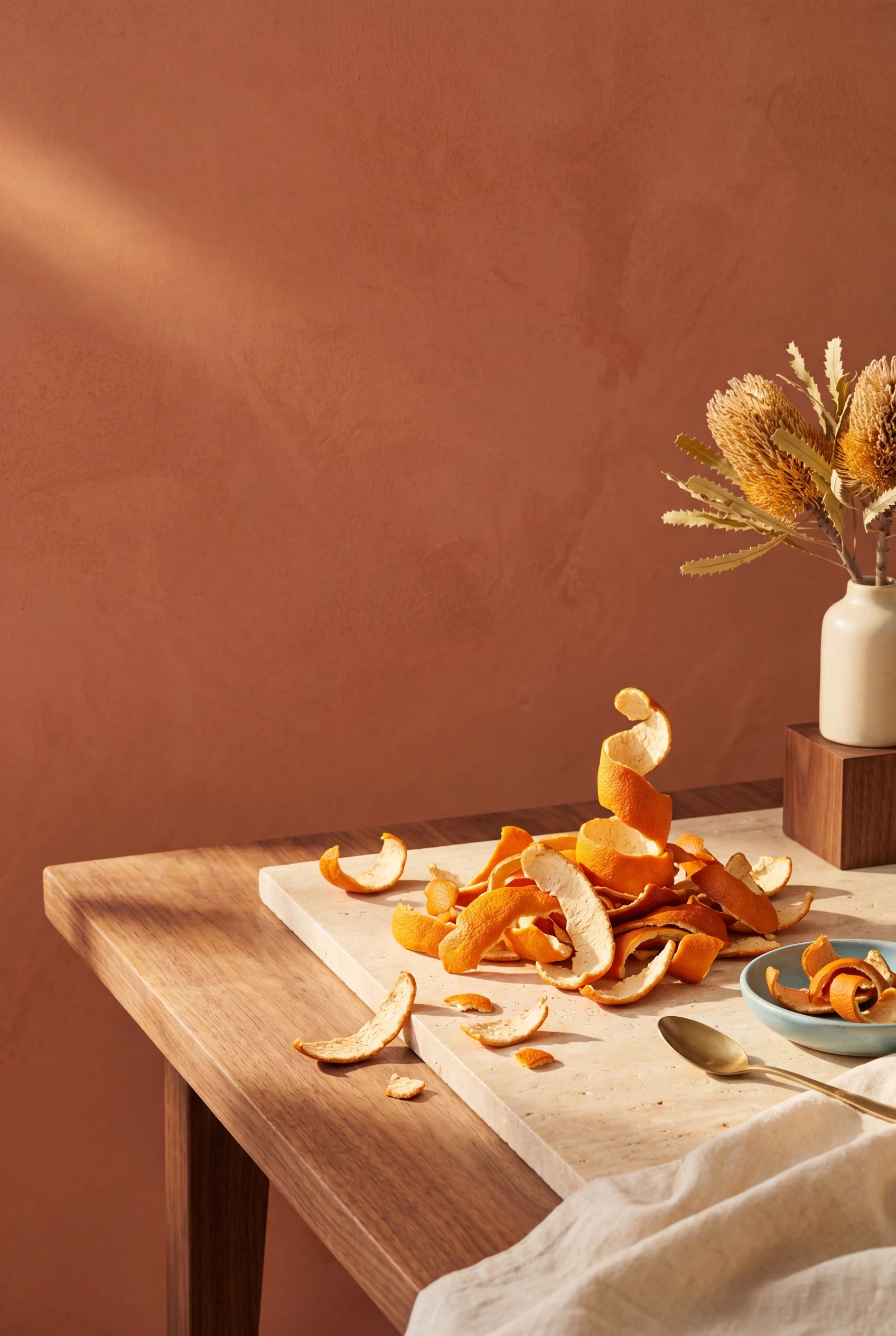
Bright citrus that lifts the whole cup, and a source of the vitamin C and flavonoids citrus peel is known for.

Found in: Good Times teaEmerging

Acai berry

Euterpe oleracea

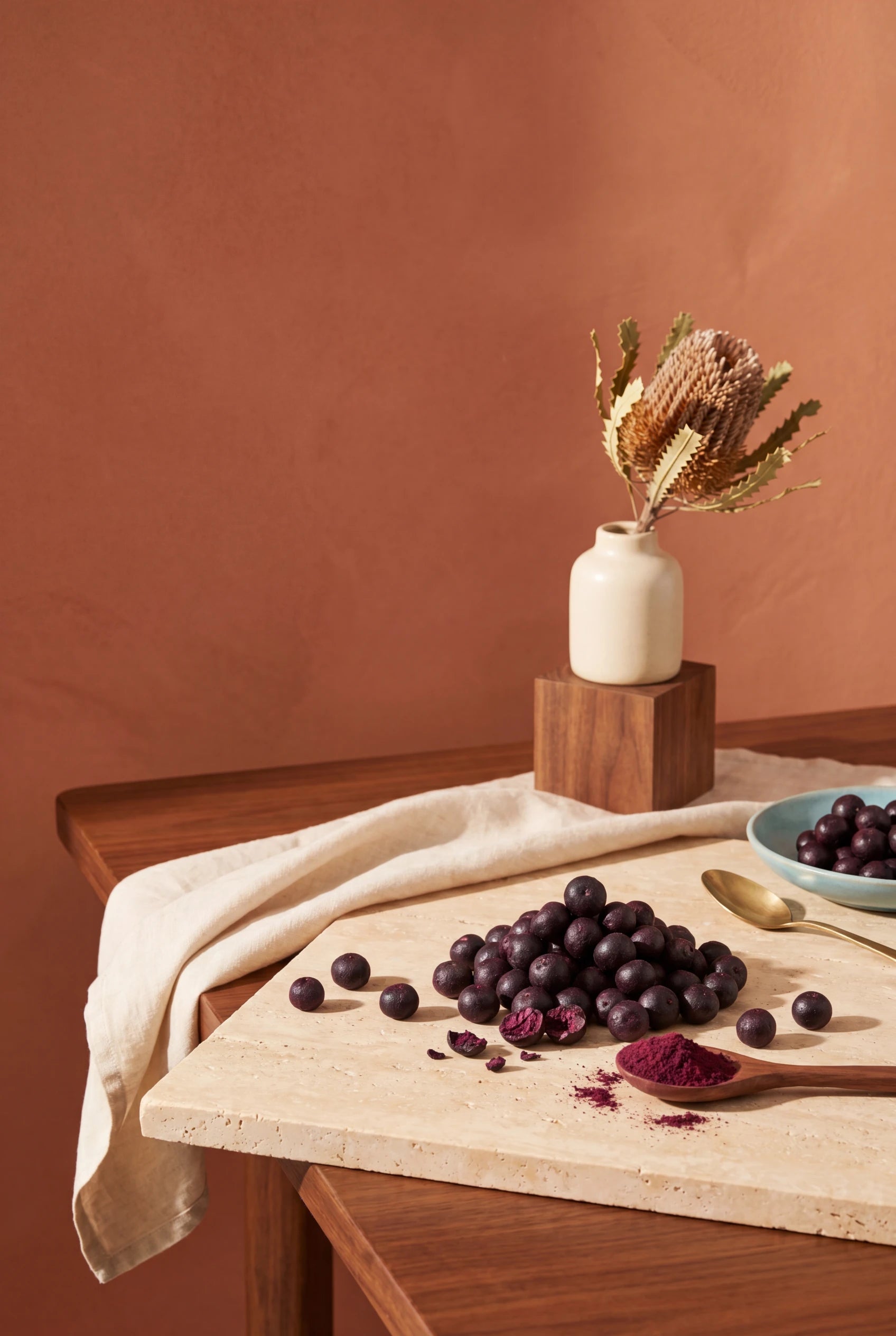
A deep berry note, valued for its anthocyanin antioxidant content. We frame acai as antioxidant-rich, not as a cure for anything.

Found in: Good Times teaTraditional

Goji berry

Lycium barbarum

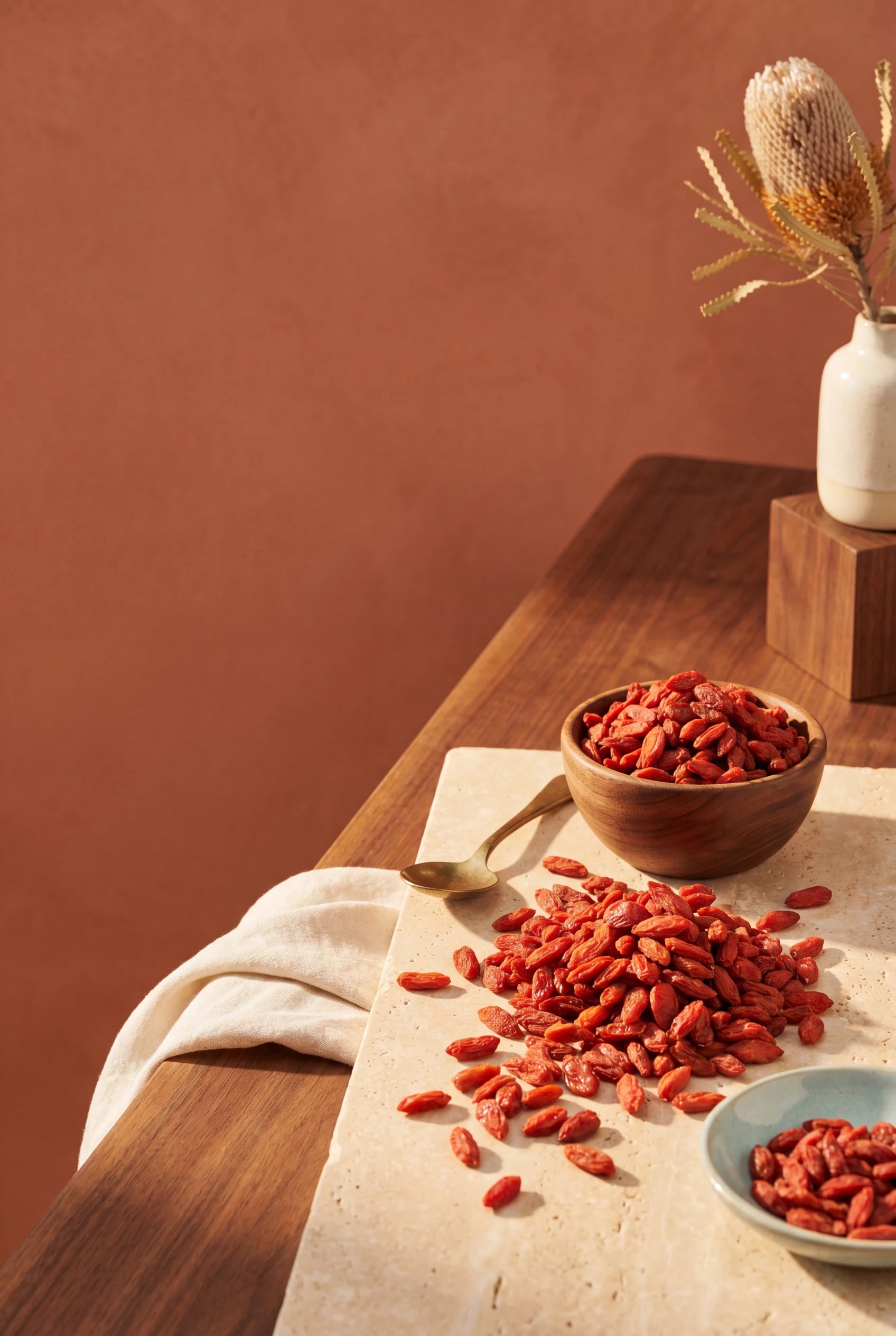
A soft sweetness that rounds the cup, with a long traditional use and a carotenoid and vitamin C content.

How it adapts

What you need, and how it helps

TargetHow it solves itKey ingredientWhat you'll notice
Curious about hibiscus and blood pressureAn honest read of the research, not a promiseHibiscus flowerClear, measured information
Wanting a daily cup you enjoyA bright, tart, fruity blend, hot or icedHibiscus + mandarinA drink you look forward to
Cutting down on caffeineNaturally caffeine-freeFruit and flower, no tea leafEnjoy it any hour
Avoiding sugary soft drinksTart and fruity with no added sugarReal fruit and hibiscusA better daily habit

Outside-in routine pairings

A ritual for the body, too

Good Times supports a bright, antioxidant-rich daily ritual from the inside. Mint Condition is the matching ritual for your skin from the outside.

Mint Condition

Mint Condition

matcha mint body scrub

Mint Condition is our matcha mint body scrub, built on the same idea as our teas: real organic ingredients and a moment that is good for you. Pair the cup and the scrub for a daily ritual inside and out.

See Mint Condition

People also ask

Questions, answered

Research is genuinely interested here. Pooled analyses of trials found concentrated hibiscus lowered systolic blood pressure by roughly 7 mmHg versus placebo (Ellis et al., 2022; Serban et al., 2015). But those studies used concentrated hibiscus preparations, often several cups' worth daily over weeks, not a fruit blend with hibiscus in it. So it is a promising ingredient, not a treatment, and we will not claim Good Times lowers your blood pressure.

No. Please keep taking any treatment your doctor has prescribed, and never stop or change medication based on a tea. If you want to discuss hibiscus, raise it with your doctor, especially as it may interact with some medicines.

Hibiscus can interact with some medications, including certain blood pressure and diuretic drugs. If you take any regular medication, are pregnant or breastfeeding, check with your doctor or pharmacist before drinking it regularly.

Bright, tart and fruity, led by ruby hibiscus and mandarin with soft berry underneath. Lovely hot, and excellent iced. Caffeine free, with no added sugar.

Hibiscus and blood pressure, honestly

The deep dive

Start with the limit

It would be easy, and wrong, to sell hibiscus tea as a blood pressure remedy. So let's be clear up front: no tea treats hypertension, high blood pressure is a medical matter for you and your doctor, and you should never replace prescribed treatment with a drink. With that boundary set, hibiscus is still one of the more genuinely researched ingredients in our range, which is worth understanding on its own terms.

What the research found

Several systematic reviews and meta-analyses have looked at Hibiscus sabdariffa and blood pressure. Pooled results found hibiscus lowered systolic blood pressure by around 7 mmHg compared with placebo (Ellis et al., 2022), with another meta-analysis finding significant reductions in both systolic and diastolic pressure (Serban et al., 2015), and a comprehensive review reaching broadly similar, if measured, conclusions (Hopkins et al., 2013). That is a real, if modest, signal for the ingredient.

Why a fruit tea is not the same as a trial

Here is the honest gap. Those trials used concentrated hibiscus preparations, frequently the equivalent of several strong cups a day, taken consistently over weeks, and often in people who already had elevated blood pressure. Good Times is a balanced fruit blend in which hibiscus is the lead note, not a concentrated dose. So the right takeaway is that you are drinking a tea built on a well-researched ingredient, not a clinical intervention, and the effect in a daily cup is likely far gentler than the studies.

Where a daily cup genuinely fits

The sensible place for Good Times is as an enjoyable, caffeine-free, no-added-sugar drink that happens to be built on an interesting ingredient. Swapping a sugary soft drink for a tart hibiscus cup is a small, real upgrade to a daily habit. If blood pressure is something you are managing, keep up your prescribed care, mention hibiscus to your doctor since it can interact with some medicines, and enjoy the tea for what it is: a very good cup.

About the author

Dan Bartley

Co-founder, Sippo

Dan co-founded Sippo with Nicole and writes the brand's ingredient guides, working from peer-reviewed sources and standards bodies like Cochrane and the NIH. He is not a medical professional, and these guides are educational, not medical advice. Every clinical claim on this page is cited in full below, with its evidence tier and any caveats noted honestly.

hello@sippo.au
The research behind this3 peer-reviewed sources, with tiers and caveats
  1. Ellis, L. R., Zulfiqar, S., Holmes, M., Marshall, L., Dye, L., & Boesch, C. (2022). A systematic review and meta-analysis of the effects of Hibiscus sabdariffa on blood pressure and cardiometabolic markers. Nutrition Reviews, 80(6), 1723-1737. https://doi.org/10.1093/nutrit/nuab104

    Tier 2Systematic review and meta-analysis (17 trials)

    Pooled chronic trials found hibiscus lowered systolic blood pressure by about 7 mmHg versus placebo. Most trials used concentrated hibiscus over weeks; a fruit blend with hibiscus is gentler, so this is context, not a promise.

  2. Serban, C., Sahebkar, A., Ursoniu, S., Andrica, F., & Banach, M. (2015). Effect of sour tea (Hibiscus sabdariffa L.) on arterial hypertension: A systematic review and meta-analysis of randomized controlled trials. Journal of Hypertension, 33(6), 1119-1127. https://doi.org/10.1097/HJH.0000000000000585

    Tier 2Systematic review and meta-analysis

    Found hibiscus significantly reduced both systolic and diastolic blood pressure across trials. Concentrated sour-tea doses; cited for the researched mechanism, not as a treatment for hypertension.

  3. Hopkins, A. L., Lamm, M. G., Funk, J. L., & Ritenbaugh, C. (2013). Hibiscus sabdariffa L. in the treatment of hypertension and hyperlipidemia: A comprehensive review of animal and human studies. Fitoterapia, 85, 84-94. https://doi.org/10.1016/j.fitote.2013.01.003

    Tier 2Comprehensive review

    Reviews the human and animal evidence for hibiscus and cardiovascular markers, and notes where evidence is still developing. Used to frame the honest, measured position this page takes.

A genuinely good cup, honestly described

Bright, tart and caffeine free, built on a well-researched ingredient. No overclaims. Love it in 30 days or it's on us.

Shop Good Times