Ingrown hairs and aftercare

Best body scrub for ingrown hairs and smoother hair removal

Organic body scrub formulated with gentle exfoliants and non-comedogenic jojoba to reduce the look of ingrowns and soothe skin after shaving or waxing

In short

Ingrown hairs happen when dead skin traps a hair as it grows back, so the best body scrub for them gently clears that surface layer and calms the skin around it. Sippo Mint Condition uses fine rapadura sugar with non-comedogenic jojoba and coconut oils, so it frees trapped hairs and soothes razor bumps without irritation. Used two to three times a week between hair-removal sessions, it reduces the look of ingrowns and keeps skin smooth. Do not scrub freshly shaved, waxed, lasered or irritated skin; wait until it has calmed.

Ingrown hairs and razor bumps are a texture problem with a simple cause: a hair tries to grow back through skin that has a layer of dead cells over it, gets trapped, and the skin reacts. Gentle, regular exfoliation between hair-removal sessions clears that path, and conditioning oils calm the bumps. The timing matters though, you exfoliate between sessions, not on freshly treated skin, and this page walks through exactly how.

The pick

What we'd reach for

Match for ingrownsMint Condition

Mint Condition

matcha mint body scrub

Best for
Reducing ingrowns and razor bumps between sessions
Hero ingredient
Gentle exfoliation plus non-comedogenic jojoba
Match
All skin, between hair-removal sessions

How it compares

Sippo vs conventional ingrown-hair scrubs

What matters for ingrownsSippo Mint ConditionConventional
Gentle exfoliation that frees trapped hairsYes, fine rapadura plus natural AHAsOften too harsh, or only chemical
Conditioning oil that calms bumpsYes, non-comedogenic jojobaRarely
Soothing for post-shave or wax daysYes, between sessionsSometimes stings
SLS or synthetic fragrance on raw skinNoneCommon, and irritating
Clogs pores and makes bumps worseNo, jojoba is non-comedogenicSome heavy products do
Gentle enough for the bikini line and underarmsYes, with careOften too abrasive
Certified-organic ingredientsYes, all eightRarely

What's inside, and why

The ingredients doing the work

Found in: Mint Condition body scrubWell established

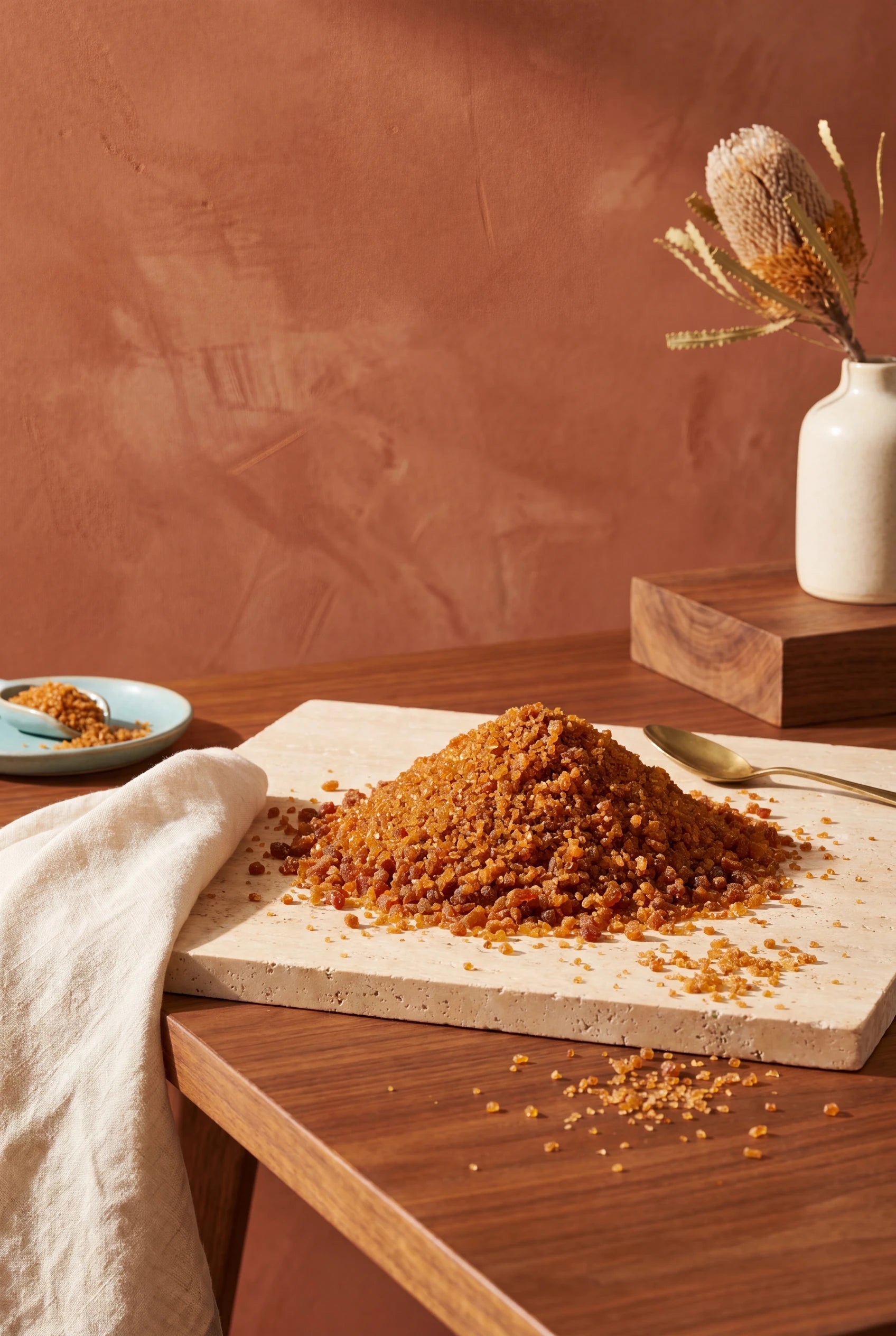
Rapadura sugar

Saccharum officinarum

The gentle exfoliant that clears the path. Its fine grit plus the naturally occurring AHAs in its molasses loosen the dead surface cells that trap a regrowing hair (Tang & Yang, 2018; Kornhauser et al., 2010), so fewer hairs get stuck.

Found in: Mint Condition body scrubWell established

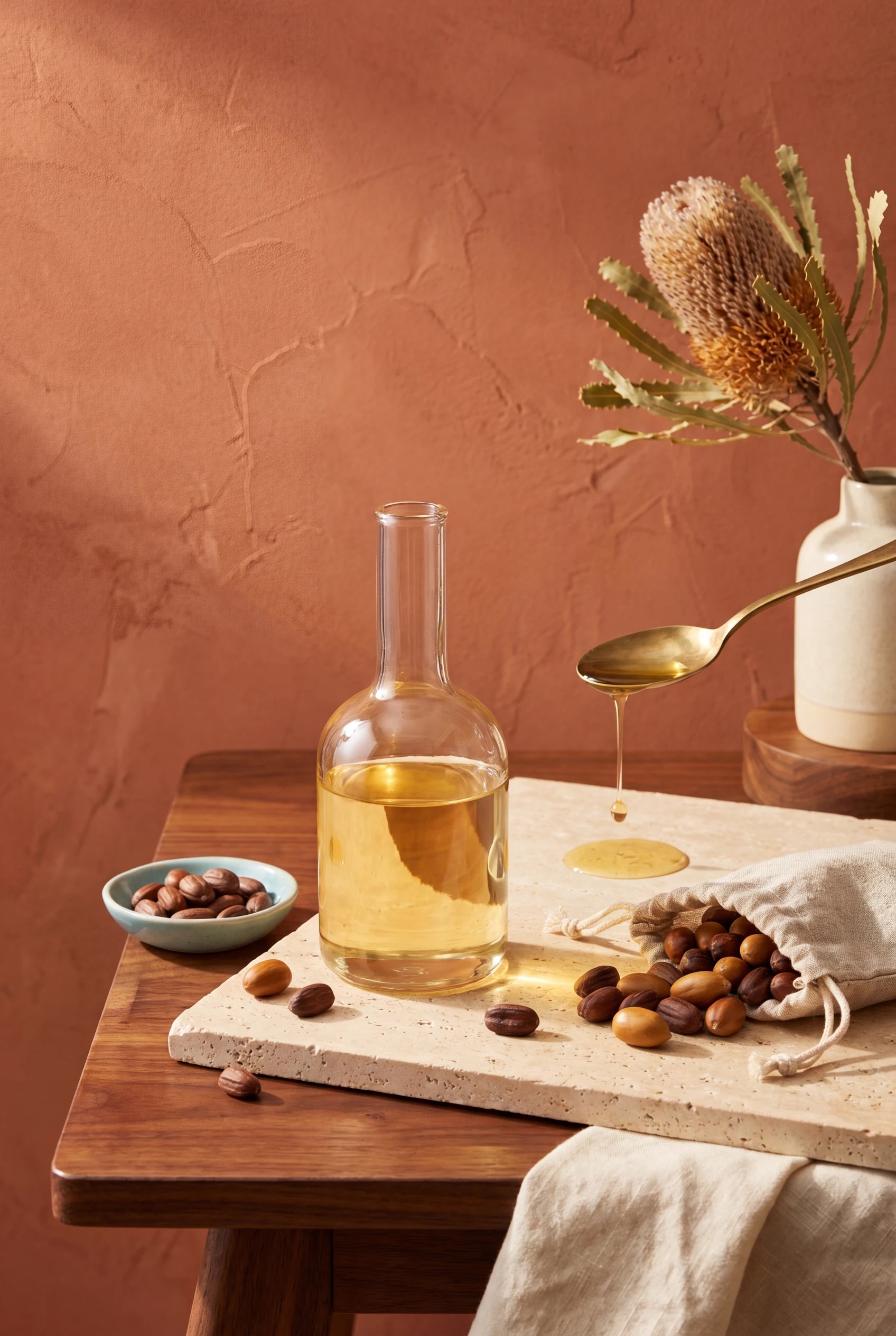
Jojoba oil

Simmondsia chinensis

The calming, non-comedogenic oil. Jojoba mimics your skin's own sebum, conditions without clogging pores, and a dermatology review notes its anti-inflammatory action (Pazyar et al., 2013), ideal for soothing razor bumps.

Found in: Mint Condition body scrubWell established

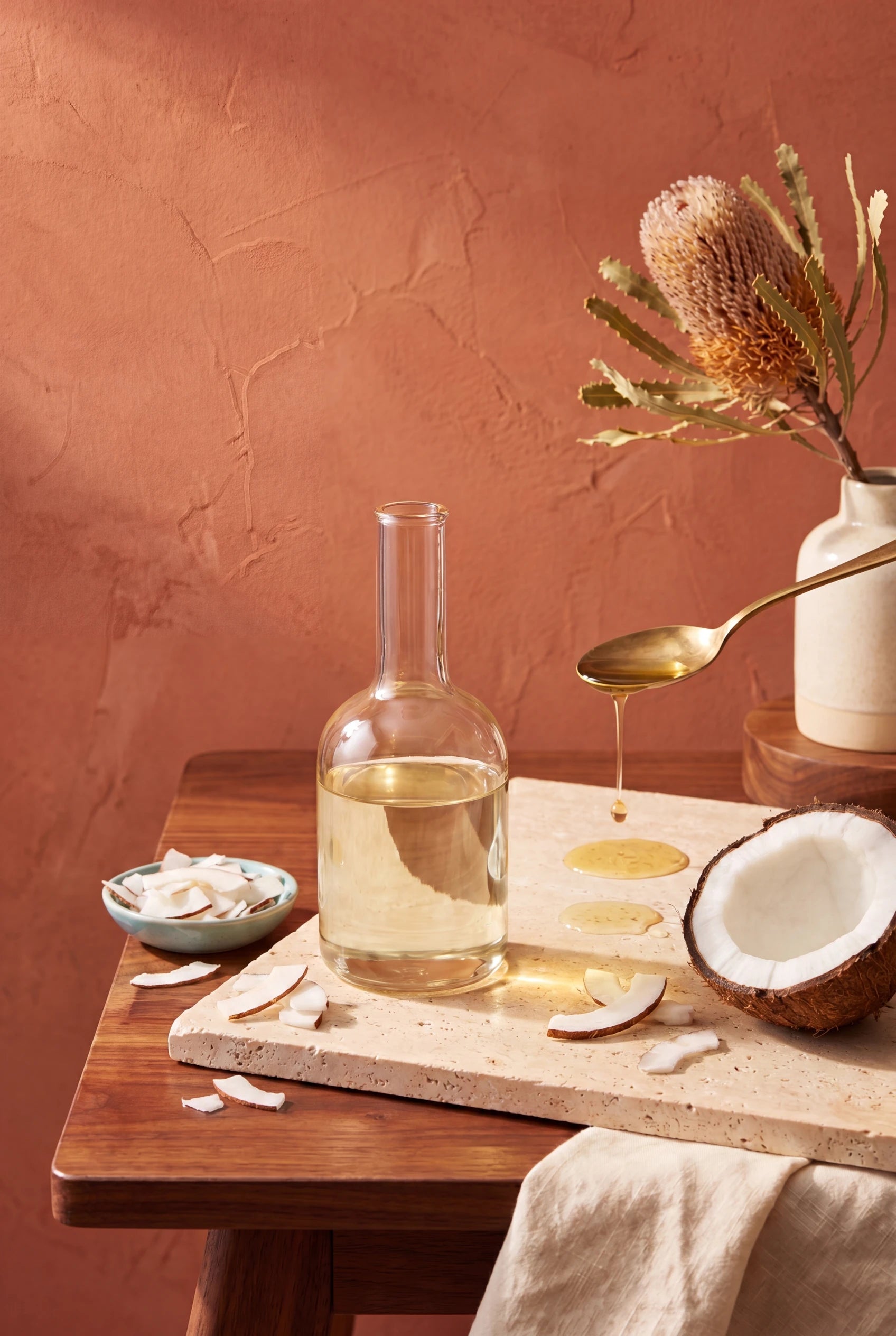
Coconut oil

Cocos nucifera

Supports and calms skin after hair removal. Coconut oil reduced water loss and Staphylococcus aureus colonisation on reactive skin in trials (Evangelista et al., 2014; Verallo-Rowell et al., 2008), helpful where shaving leaves skin vulnerable.

Found in: Mint Condition body scrubTraditional

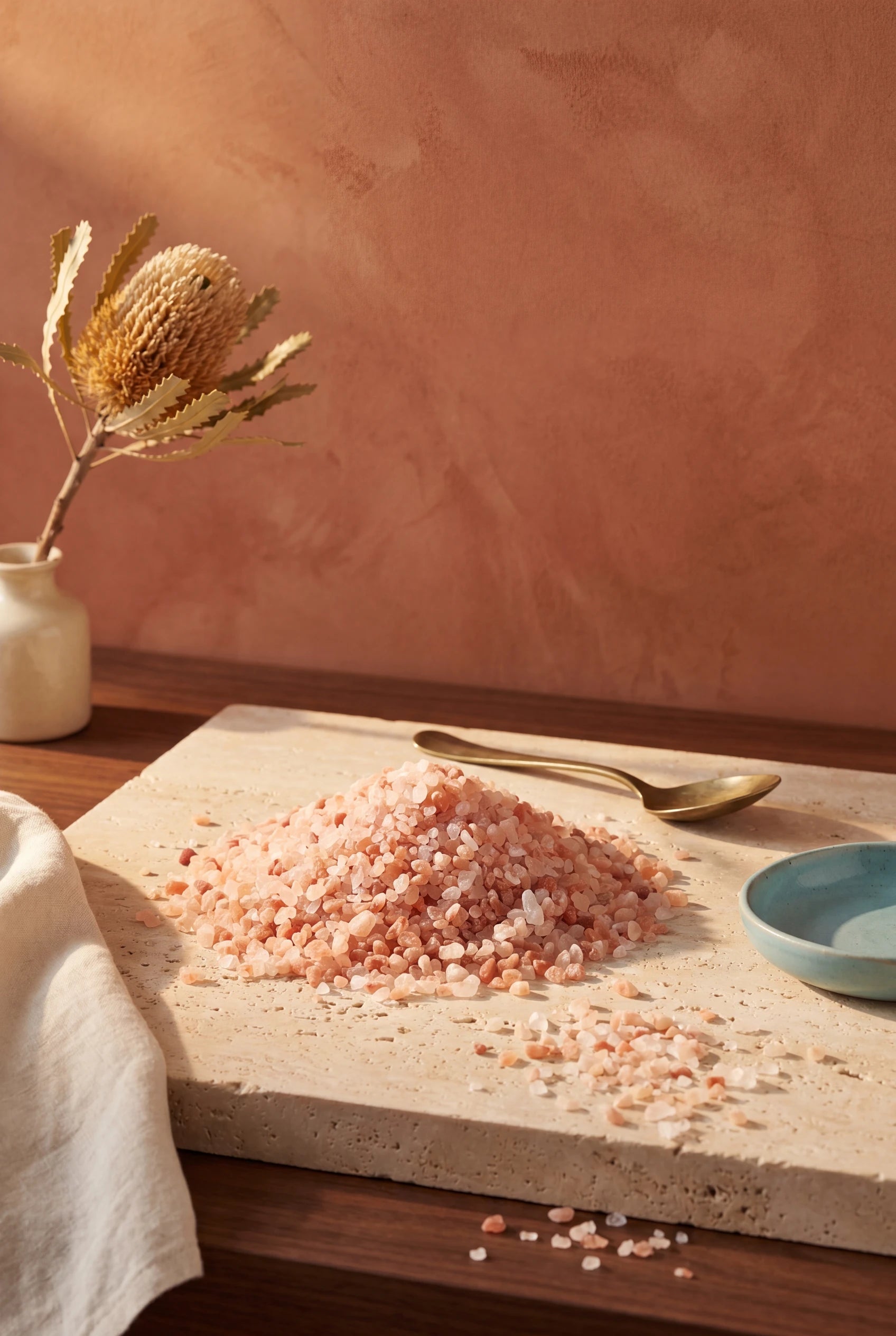
Pink Himalayan salt

Halite

A coarser grit for tougher areas prone to ingrowns, like the thighs and the backs of legs, keeping the surface clear so hairs grow back unobstructed.

How it adapts

What you need, and how it helps

TargetHow it solves itKey ingredientWhat you'll notice
Ingrown hairs on legs and thighsGentle exfoliation clears the trapping layerRapadura + saltFewer ingrowns over time
Razor bumps after shavingNon-comedogenic jojoba calms and conditionsJojobaSmoother, less bumpy skin
Rough, irritated bikini lineFine grit and soothing oils, used with careRapadura + coconutCalmer, clearer skin
Bumps that look red and inflamedAnti-inflammatory, barrier-supporting oilsJojoba + coconutLess redness around the bumps
Skin that congests after waxingKeeps the surface clear between sessionsSalt + rapaduraHairs grow back unobstructed
Wanting prevention, not just cover-upRegular gentle clearing of dead skinMulti-grit polishFewer ingrowns forming

Routine pairings

Support the routine

Gentle skin care pairs naturally with a calm, soothing cup.

Quiet Hours

Quiet Hours

mellow mint tea

Quiet Hours is built around chamomile and marshmallow root, two of the softest, most traditionally soothing herbs we use. A mellow, caffeine-free cup for people who keep things gentle, inside and out.

See Quiet Hours

People also ask

Questions, answered

Ingrowns form when dead skin traps a hair trying to grow back. Gently exfoliating two to three times a week clears that surface layer so hairs grow back unobstructed, and the non-comedogenic jojoba calms the bumps. It is prevention through regular gentle clearing, not a one-time fix.

No, and this is important. Freshly shaved, waxed, lasered or irritated skin is raw and should not be scrubbed, as it will sting and can make things worse. Wait until the skin has calmed, usually a day or two, then exfoliate between sessions to prevent the next round of ingrowns.

Treat laser and IPL skin as off-limits until it is fully calm and your technician says it is fine, often several days. When the skin is settled, gentle exfoliation between treatments helps keep it smooth. Never scrub treated, red or sensitive skin, and follow your provider's aftercare.

Yes, with care. Use light pressure, keep it gentle on the most delicate areas, and never on freshly shaved or waxed skin. Patch test first if you are sensitive there.

Understanding ingrown hairs, in depth

The deep dive

What actually causes an ingrown hair

An ingrown hair forms when a hair that has been cut or pulled tries to grow back, but a layer of dead skin cells over the follicle blocks its path, so it curls and grows sideways or back into the skin. The body treats the trapped hair as a small irritant, and you get the familiar red, raised, sometimes tender bump. Shaving and waxing make this more likely because they cut the hair at or below the surface and can leave a build-up of dead skin behind. Curlier hair is more prone to it, which is why some people get ingrowns far more than others.

Why gentle, regular exfoliation is the fix

Since the root cause is dead skin trapping the hair, regularly clearing that surface layer is the most effective prevention. Fine rapadura sugar gives a gentle mechanical polish, and the naturally occurring AHAs in its molasses help loosen the bonds between dead cells (Tang & Yang, 2018; Kornhauser et al., 2010), so regrowing hairs find a clear path out. The emphasis is on gentle and regular: aggressive scrubbing irritates already-vulnerable skin and can worsen the bumps, while a light exfoliation two to three times a week keeps the surface clear without provoking it.

Why the oils matter after hair removal

Hair removal leaves skin more exposed and reactive, so calming it matters as much as clearing it. Jojoba is the key oil here: it mimics your own sebum, conditions without clogging pores, and a dermatology review notes its anti-inflammatory action (Pazyar et al., 2013), which is exactly what irritated, bump-prone skin needs. Coconut oil supports the barrier and has been shown to reduce water loss and bacterial colonisation on reactive skin (Evangelista et al., 2014; Verallo-Rowell et al., 2008), helpful where shaving creates tiny openings. Together they soothe the skin while the exfoliation prevents the next round of ingrowns.

Timing, and when not to scrub

Timing is everything with ingrowns. Exfoliate between hair-removal sessions, not on the day, because freshly shaved, waxed, lasered or otherwise irritated skin should never be scrubbed: it is raw, it will sting, and scrubbing can drive irritation deeper. Wait a day or two until the skin has calmed, then resume your two-to-three-times-a-week routine. For laser and IPL, follow your provider's aftercare and keep the area scrub-free until they confirm it is settled. If bumps become painful, pus-filled or infected-looking, that is one for a doctor, not a scrub.

About the author

Dan Bartley

Co-founder, Sippo

Dan co-founded Sippo with Nicole and writes the brand's ingredient guides, working from peer-reviewed sources and standards bodies like Cochrane and the NIH. He is not a medical professional, and these guides are educational, not medical advice. Every clinical claim on this page is cited in full below, with its evidence tier and any caveats noted honestly.

hello@sippo.au
The research behind this5 peer-reviewed sources, with tiers and caveats
  1. Tang, S.-C., & Yang, J.-H. (2018). Dual effects of alpha-hydroxy acids on the skin. Molecules, 23(4), 863. https://doi.org/10.3390/molecules23040863

    Tier 2Peer-reviewed review

    Supports the AHA exfoliation mechanism. Discusses AHAs at formulation strengths above what raw rapadura sugar delivers, so the page applies the mechanism, not the magnitude.

  2. Kornhauser, A., Coelho, S. G., & Hearing, V. J. (2010). Applications of hydroxy acids: Classifications, mechanisms, and photoactivity. Clinical, Cosmetic and Investigational Dermatology, 3, 135-142. https://doi.org/10.2147/CCID.S9042

    Tier 2Clinical review

    Supports hydroxy-acid chemical exfoliation and surface cell turnover. Mechanism reference; raw cane sugar has not been tested as a finished topical.

  3. Pazyar, N., Yaghoobi, R., Ghassemi, M. R., Kazerouni, A., Rafeie, E., & Jamshydian, N. (2013). Jojoba in dermatology: A succinct review. Giornale Italiano di Dermatologia e Venereologia, 148(6), 687-691.

    Tier 2Peer-reviewed review

    Reviews jojoba's close similarity to human sebum, its non-comedogenic conditioning, and anti-inflammatory action. Review-level evidence, not a single large trial.

  4. Evangelista, M. T. P., Abad-Casintahan, F., & Lopez-Villafuerte, L. (2014). The effect of topical virgin coconut oil on SCORAD index, transepidermal water loss, and skin capacitance in mild to moderate pediatric atopic dermatitis. International Journal of Dermatology, 53(1), 100-108. https://doi.org/10.1111/ijd.12339

    Tier 2Randomised controlled trial

    Topical virgin coconut oil reduced transepidermal water loss and improved skin hydration versus mineral oil (mean SCORAD reduction 68% vs 38%). Population was paediatric atopic dermatitis, not the general body-skin user; cited for the barrier and hydration mechanism.

  5. Verallo-Rowell, V. M., Dillague, K. M., & Syah-Tjundawan, B. S. (2008). Novel antibacterial and emollient effects of coconut and virgin olive oils in adult atopic dermatitis. Dermatitis, 19(6).

    Tier 2Randomised controlled trial

    Virgin coconut oil reduced Staphylococcus aureus colonisation and improved skin condition in adults with atopic dermatitis. Cited for coconut oil's emollient and skin-calming behaviour, not as a claim to treat any condition.

Fewer ingrowns, smoother hair removal

Gentle clearing between sessions, calmer skin after. Backed by our 30 day happiness guarantee.

Shop the range