Calm and the evening unwind

Best caffeine-free tea for calm and the evening unwind

An organic, caffeine-free herbal tea with chamomile and lemon balm, the herbs most researched for a calmer, softer evening

In short

When the day has wound you up, the best tea to unwind with is a caffeine-free herbal cup built on the two herbs with the most research behind them for calm: chamomile and lemon balm. Sippo Quiet Hours blends both with soothing marshmallow root and mellow spearmint, with no caffeine to keep the tension going. It is a gentle ritual that helps you downshift, not a treatment for anxiety. If anxiety is affecting your daily life, please talk to your doctor.

There is a moment most evenings where the day refuses to let go, the shoulders stay up and the mind keeps ticking. A warm, caffeine-free cup is one of the oldest ways to signal that it is safe to put it down. Quiet Hours leans on chamomile and lemon balm, the herbs researchers have studied most for calm, in a soft, mellow cup made for exactly that hour.

The pick

What we'd reach for

The calm cupQuiet Hours

Quiet Hours

mellow mint tea

Best for
A caffeine-free way to downshift in the evening
Hero ingredient
Chamomile and lemon balm
Match
Anyone winding down a busy day, caffeine-free

How it compares

Sippo Quiet Hours vs conventional calm teas

What matters in a calm cupSippo Quiet HoursConventional
Caffeine freeYes, naturallyUsually, but check the label
The most-researched calming herbsYes, chamomile and lemon balmOften one, or just flavouring
Real, visible cut ingredientsYes, in a plastic-free pyramid bagOften dust and fannings
Added sugar or synthetic flavouringNoneCommon
Honest about what tea can doYes, a calming ritual, not a sedativeOften overclaims
Certified organicYesVariable

What's inside, and why

The ingredients doing the work

Found in: Quiet Hours teaWell established

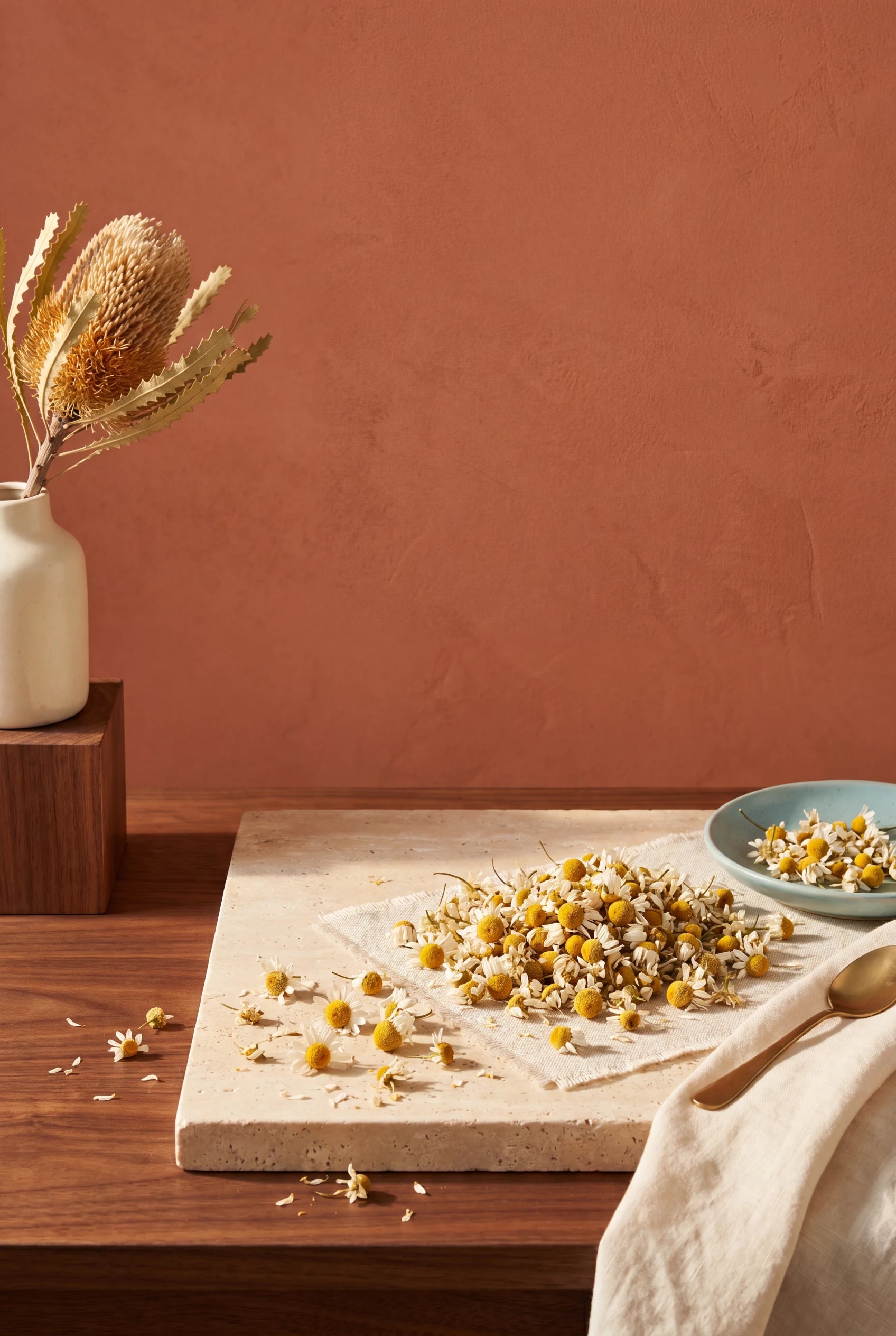
Chamomile flowers

Matricaria chamomilla

The most-studied calming herb. Chamomile carries apigenin, studied for binding the same calming receptors as some relaxants, and a meta-analysis linked it to reduced anxiety symptoms (Hieu et al., 2019; Mao et al., 2016). A teabag is gentler than those extract doses, so think soothing ritual, not sedative.

Found in: Quiet Hours teaWell established

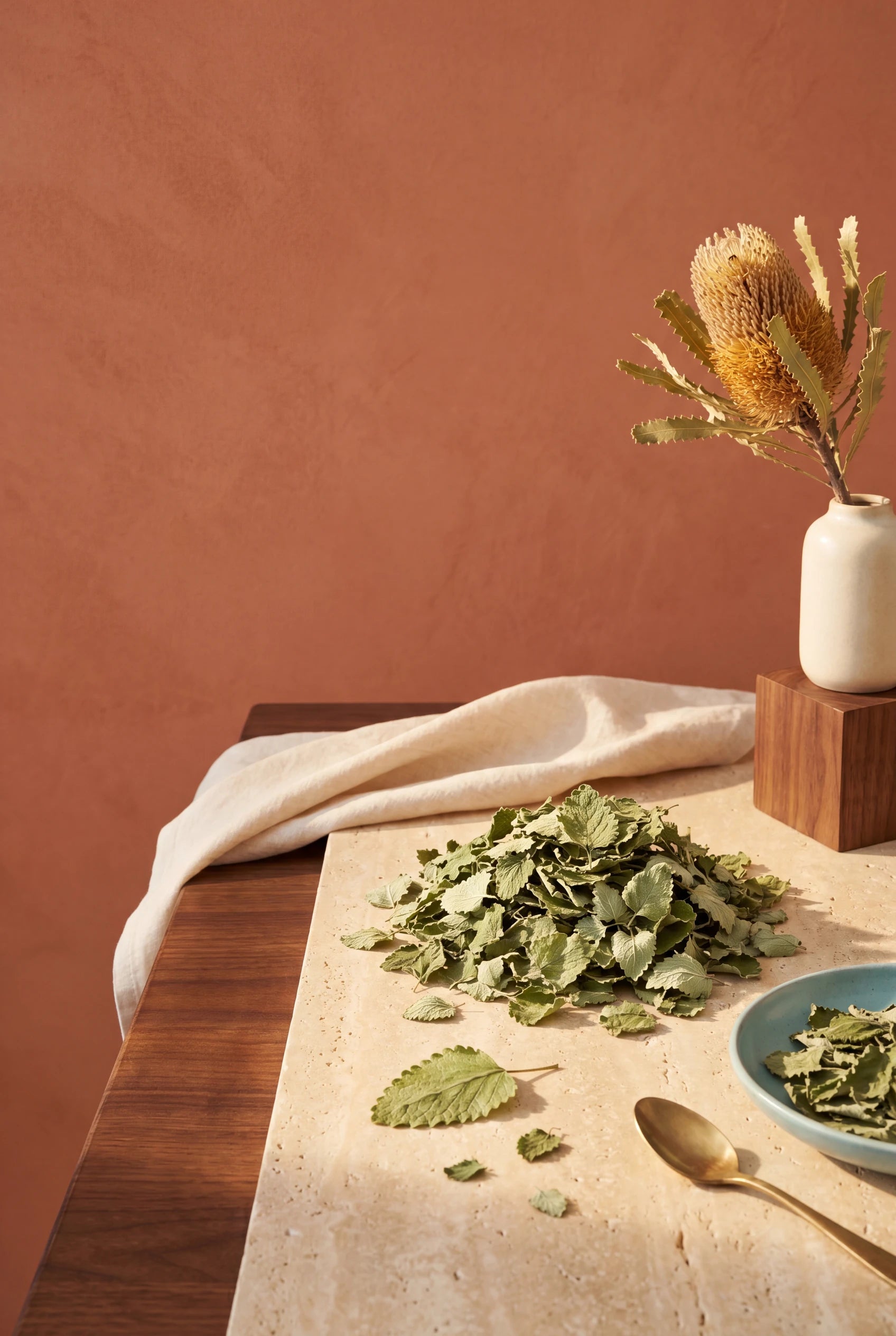
Lemon balm leaf

Melissa officinalis

A soft, citrusy herb long used to calm. A meta-analysis found lemon balm improved anxiety and mood versus placebo, and a single dose lifted calmness in healthy adults (Ghazizadeh et al., 2021; Kennedy et al., 2002).

Found in: Quiet Hours teaTraditional

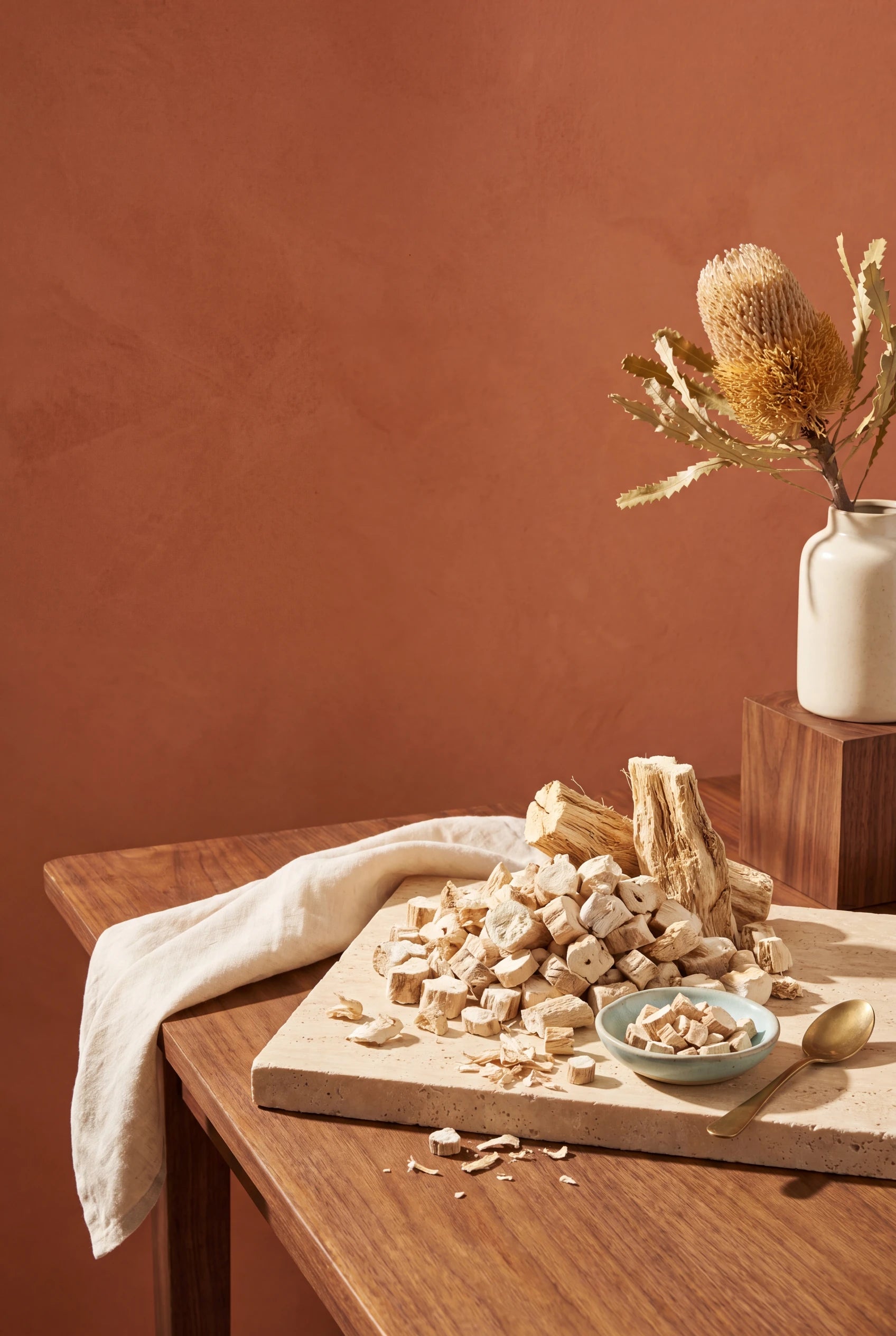
Marshmallow root

Althaea officinalis

The smooth, soothing finish. Traditionally used as a demulcent that settles a cup, documented in the ESCOP monograph (ESCOP, 2019). It gives Quiet Hours its soft, rounded body.

Found in: Quiet Hours teaTraditional

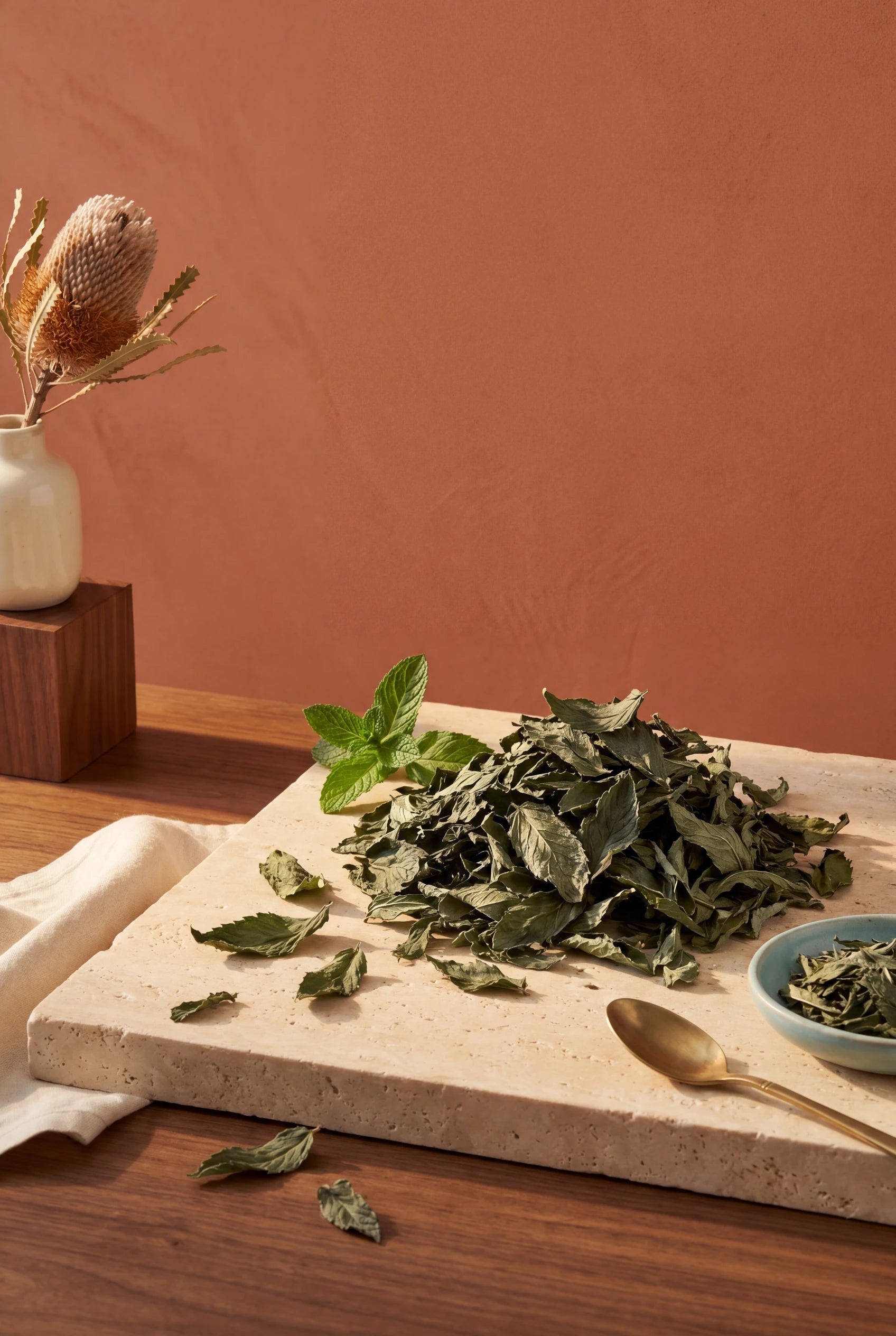
Spearmint leaf

Mentha spicata

The mellow mint heart, softer and sweeter than peppermint, for a gentle, calming flavour and an easy finish.

How it adapts

What you need, and how it helps

TargetHow it solves itKey ingredientWhat you'll notice
A mind that will not switch offChamomile and lemon balm, the most-researched calming herbsChamomile + lemon balmA softer, calmer evening
Tension you want to put downA warm, deliberate wind-down ritualThe whole cupA signal the day is over
Not wanting caffeine lateNaturally caffeine-free blendHerbal, no tea leafCalm without the buzz
Disliking sharp herbal teasMellow spearmint and smooth marshmallowSpearmint + marshmallowA cup you actually enjoy
Wanting something cleanNo added sugar or synthetic flavouringReal organic herbsHonest, caffeine-free calm

Outside-in routine pairings

Wind the body down, too

While Quiet Hours calms from the inside, a warm shower and a gentle scrub are one of the most reliable ways to unwind the body from the outside.

Mint Condition

Mint Condition

matcha mint body scrub

Mint Condition is our matcha mint body scrub. A warm evening shower with it is a wind-down in itself: cooling peppermint, warm oils and three soft minutes that tell your body the day is done. Pair the cup and the shower for a calm ritual inside and out, no caffeine in either.

See Mint Condition

People also ask

Questions, answered

A caffeine-free cup helps mostly by creating a deliberate wind-down ritual, and the herbs in Quiet Hours, chamomile and lemon balm, are the ones with the most research interest for calm and mood (Hieu et al., 2019; Ghazizadeh et al., 2021). A teabag is gentler than the extracts used in studies, so we frame it as a soothing habit, not a sedative.

Yes, naturally. There is no black, green or white tea leaf in it, so you can sip it late in the evening without it affecting your sleep.

No, and we will never describe it that way. It is a calming, enjoyable ritual that can be part of a good evening. If anxiety is affecting your daily life, the most useful step is to speak with your doctor.

For most people it is a gentle, everyday herbal tea. If you are pregnant, breastfeeding, on medication or have a health condition, check with your doctor first, and avoid chamomile if you are allergic to daisy-family plants.

Tea and winding down, in depth

The deep dive

Why a ritual calms more than a quick fix

When the day has you wound up, the most reliable lever is a deliberate transition, a signal to your nervous system that it is safe to downshift. A warm, caffeine-free drink is one of the simplest: the warmth soothes, the pause is intentional, and repeated nightly the ritual itself becomes a cue to relax. The cup matters, but so does what it replaces, the late coffee, the doomscroll, the second glass of wine.

Why chamomile and lemon balm

If you are building a calm ritual around a cup, choose the herbs with the most behind them. Chamomile is the most-researched, carrying apigenin, studied for binding the same receptors as some calming medicines, with trials and a meta-analysis linking it to reduced anxiety and better sleep quality (Mao et al., 2016; Hieu et al., 2019). Lemon balm is its natural partner: a meta-analysis found it improved anxiety and mood versus placebo, and a single dose lifted calmness in healthy adults (Ghazizadeh et al., 2021; Kennedy et al., 2002). We are careful that these studies used concentrated extracts at higher doses than a teabag, so Quiet Hours is built on genuinely researched calming herbs, framed honestly as a gentle wind-down.

Why the rest of the cup matters

A calm tea has to be one you enjoy, or the ritual will not stick. Quiet Hours rounds the chamomile and lemon balm with marshmallow root, traditionally used as a soothing demulcent for a smooth, soft body (ESCOP, 2019), and mellow spearmint, gentler and sweeter than peppermint. No added sugar, no synthetic flavouring, just real organic cut ingredients in a plastic-free pyramid bag, so the flavour comes from the herbs themselves.

An honest word on what tea can and can't do

We would rather be careful than oversell. No tea is a treatment for anxiety, and we will never describe one that way. What a caffeine-free, well-chosen cup can do is support a calming evening ritual and lean on herbs with real research interest in calm. If anxiety is affecting your daily life, the most useful step is a conversation with your doctor. Quiet Hours is the gentle, enjoyable part of winding down, not a substitute for care.

About the author

Dan Bartley

Co-founder, Sippo

Dan co-founded Sippo with Nicole and writes the brand's ingredient guides, working from peer-reviewed sources and standards bodies like Cochrane and the NIH. He is not a medical professional, and these guides are educational, not medical advice. Every clinical claim on this page is cited in full below, with its evidence tier and any caveats noted honestly.

hello@sippo.au
The research behind this6 peer-reviewed sources, with tiers and caveats
  1. Hieu, T. H., Dibas, M., Surya Dila, K. A., Sherif, N. A., Hashmi, M. U., Mahmoud, M., Trang, N. T. T., Abdullah, L., Nghia, T. L. B., Y, M. N., Hoang-Trong, T., Tien Huy, N., Karimzadeh, S., Kamel, M. G., & Huy, N. T. (2019). Therapeutic efficacy and safety of chamomile for state anxiety, generalized anxiety disorder, insomnia, and sleep quality: A systematic review and meta-analysis of randomized trials and quasi-randomized trials. Phytotherapy Research, 33(6), 1604-1615. https://doi.org/10.1002/ptr.6349

    Tier 2Systematic review and meta-analysis

    Pooled trials found chamomile improved anxiety and sleep quality. The included studies vary in form and dose; this supports research interest in chamomile for sleep, framed cautiously for a tea.

  2. Mao, J. J., Xie, S. X., Keefe, J. R., Soeller, I., Li, Q. S., & Amsterdam, J. D. (2016). Long-term chamomile (Matricaria chamomilla L.) treatment for generalized anxiety disorder: A randomized clinical trial. Phytomedicine, 23(14), 1735-1742. https://doi.org/10.1016/j.phymed.2016.10.012

    Tier 2Randomised controlled trial (n=179)

    Chamomile was safe and reduced anxiety symptoms over the long term. Used 1500 mg of chamomile EXTRACT daily (far more concentrated than a cup of tea), so we cite this for the ingredient's researched calming mechanism, not as proof a teabag matches that dose.

  3. Ghazizadeh, J., Sadigh-Eteghad, S., Marx, W., Fakhari, A., Hamedeyazdan, S., Torbati, M., Taheri-Tarighi, S., Araj-Khodaei, M., & Mirghafourvand, M. (2021). The effects of lemon balm (Melissa officinalis L.) on depression and anxiety in clinical trials: A systematic review and meta-analysis. Phytotherapy Research, 35(12), 6690-6705. https://doi.org/10.1002/ptr.7252

    Tier 2Systematic review and meta-analysis

    Pooled clinical trials found lemon balm improved anxiety and depression scores versus placebo. The strongest evidence is for calm/mood; we extend it to evening wind-down cautiously.

  4. Kennedy, D. O., Scholey, A. B., Tildesley, N. T., Perry, E. K., & Wesnes, K. A. (2002). Modulation of mood and cognitive performance following acute administration of Melissa officinalis (lemon balm). Pharmacology Biochemistry and Behavior, 72(4), 953-964. https://doi.org/10.1016/s0091-3057(02)00777-3

    Tier 2Randomised controlled trial

    A single dose of lemon balm improved calmness and mood in healthy adults. Used a standardised extract, so a teabag is gentler; cited for the calming mechanism.

  5. European Scientific Cooperative on Phytotherapy. (2019). Althaeae radix (Marshmallow root). ESCOP Monographs (2nd ed., supplement). ESCOP.

    Tier 1Phytotherapy monograph

    Gold-standard monograph documenting marshmallow root's traditional demulcent (soothing) action on the throat and mucous membranes. Cited for the smooth, soothing character of the cup, a traditional use.

  6. National Center for Complementary and Integrative Health. (2020, October). Chamomile. U.S. Department of Health and Human Services. https://www.nccih.nih.gov/health/chamomile

    Tier 1Government health-agency reference

    An official, conservative overview of chamomile's traditional uses and safety. It notes evidence is still preliminary for many uses, which is the honest position this page takes.

A softer end to a busy day

A calm, caffeine-free cup and a ritual that lets you put the day down. Love it in 30 days or it's on us.

Shop Quiet Hours