Before fake tan

Best body scrub to use before fake tan and spray tan

Organic body scrub formulated to clear dead skin for an even, longer-lasting, streak-free tan

In short

A fake tan is only as even as the skin underneath, so the best prep is a scrub that clears the dead, dry patches where tan goes dark and blotchy. Sippo Mint Condition uses a fine sugar and salt polish to smooth the surface, with oils that absorb so they do not block the tan. Scrub the day before you tan, then apply to clean, dry skin. Used this way it gives a more even, longer-lasting result. It is cosmetic prep, gentle enough for most skin.

Streaky tan and fast-fading patches almost always come down to skin prep. Tan clings to dry, built-up areas like elbows, knees and ankles and develops darker there, then sheds unevenly as that dead skin flakes away. Clearing the surface first gives the tan a smooth, even canvas. The trick is timing: scrub the day before so the skin is clean and the oils have absorbed, then tan over a fresh surface.

The pick

What we'd reach for

Prep before you tanMint Condition

Mint Condition

matcha mint body scrub

Best for
An even, streak-free, longer-lasting tan
Hero ingredient
Fine sugar and salt polish
Match
All skin, the day before tanning

How it compares

Sippo vs conventional pre-tan scrubs

What matters for tan prepSippo Mint ConditionConventional
Clears dry patches that go blotchyYes, fine sugar plus saltSometimes, or unevenly
Oils absorb so they don't block the tanYes, scrub the day beforeHeavy oils can leave a barrier
Even surface for a streak-free resultYes, multi-grit polishVariable
Helps the tan fade evenlyYes, smooth base sheds evenlyRarely addressed
Synthetic fragrance or harsh detergentsNoneCommon
Certified-organic ingredientsYes, all eightRarely

What's inside, and why

The ingredients doing the work

Found in: Mint Condition body scrubWell established

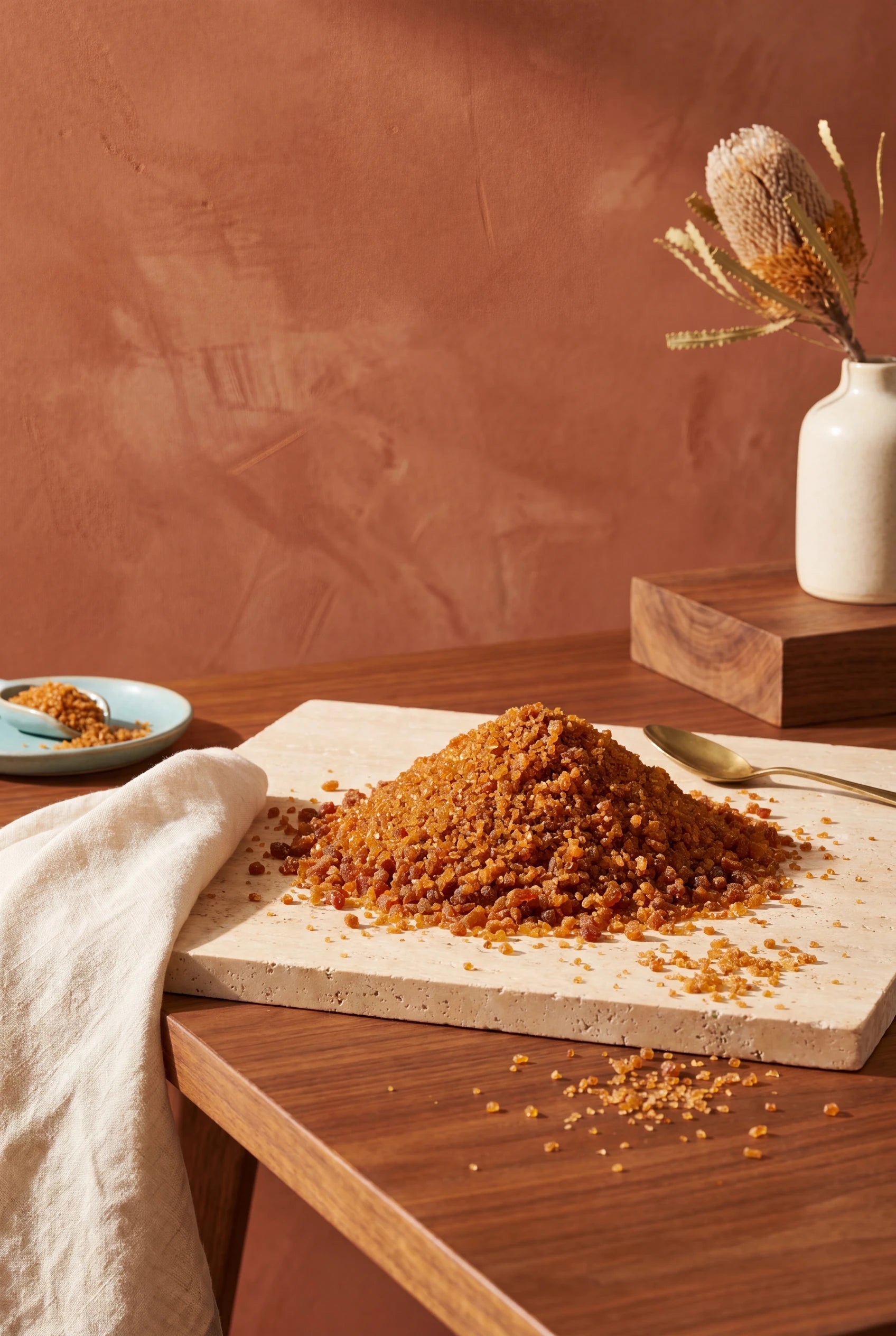
Rapadura sugar

Saccharum officinarum

The even-canvas polish. Its fine grit and naturally occurring AHAs clear the dead surface layer that makes tan go patchy (Tang & Yang, 2018; Kornhauser et al., 2010), so colour develops evenly.
Found in: Mint Condition body scrubTraditional

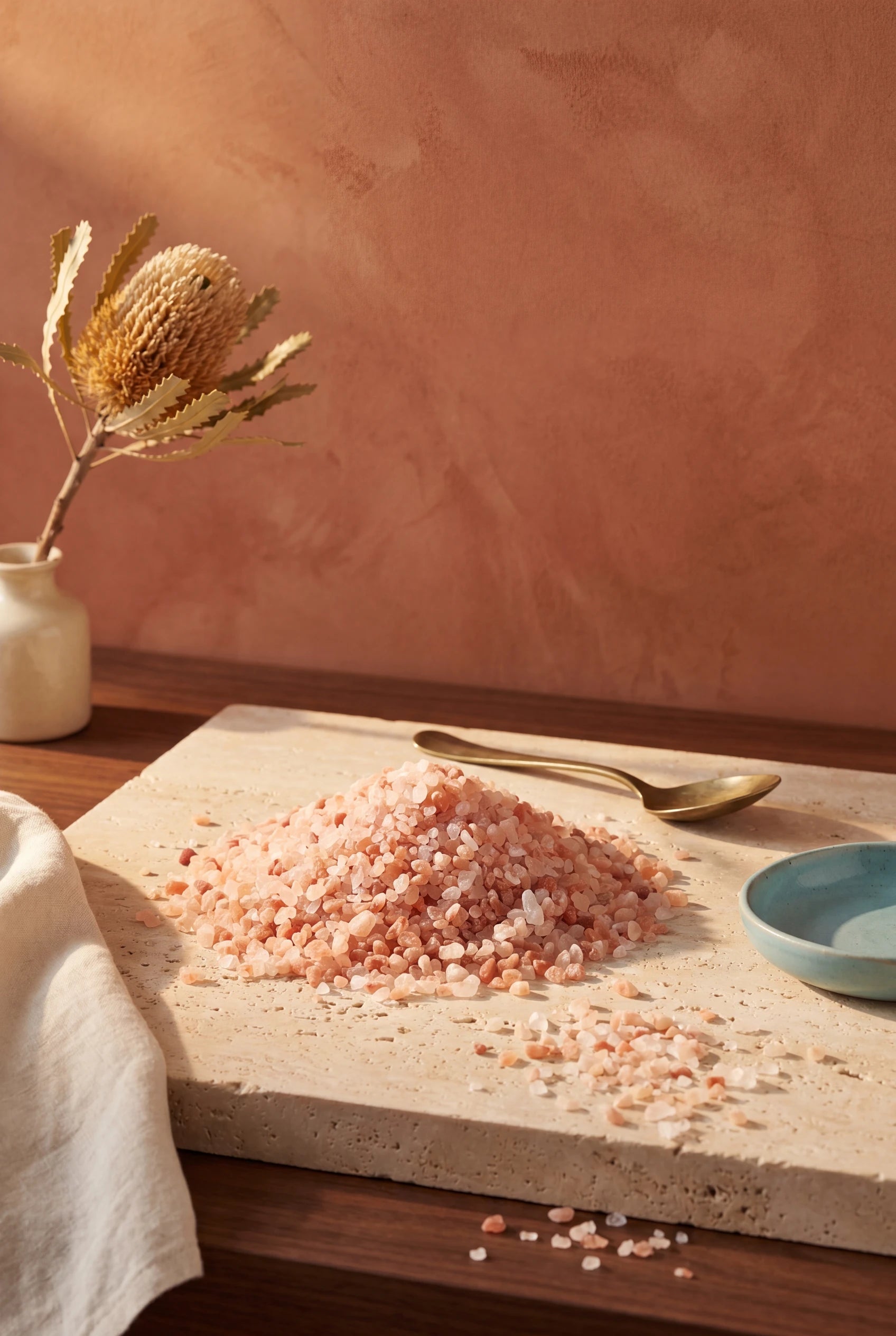
Pink Himalayan salt

Halite

The coarser grit for the trouble spots, elbows, knees, ankles and heels, where tan clings and goes darkest. It buffs those areas back so they take colour like the rest of you.

Found in: Mint Condition body scrubWell established

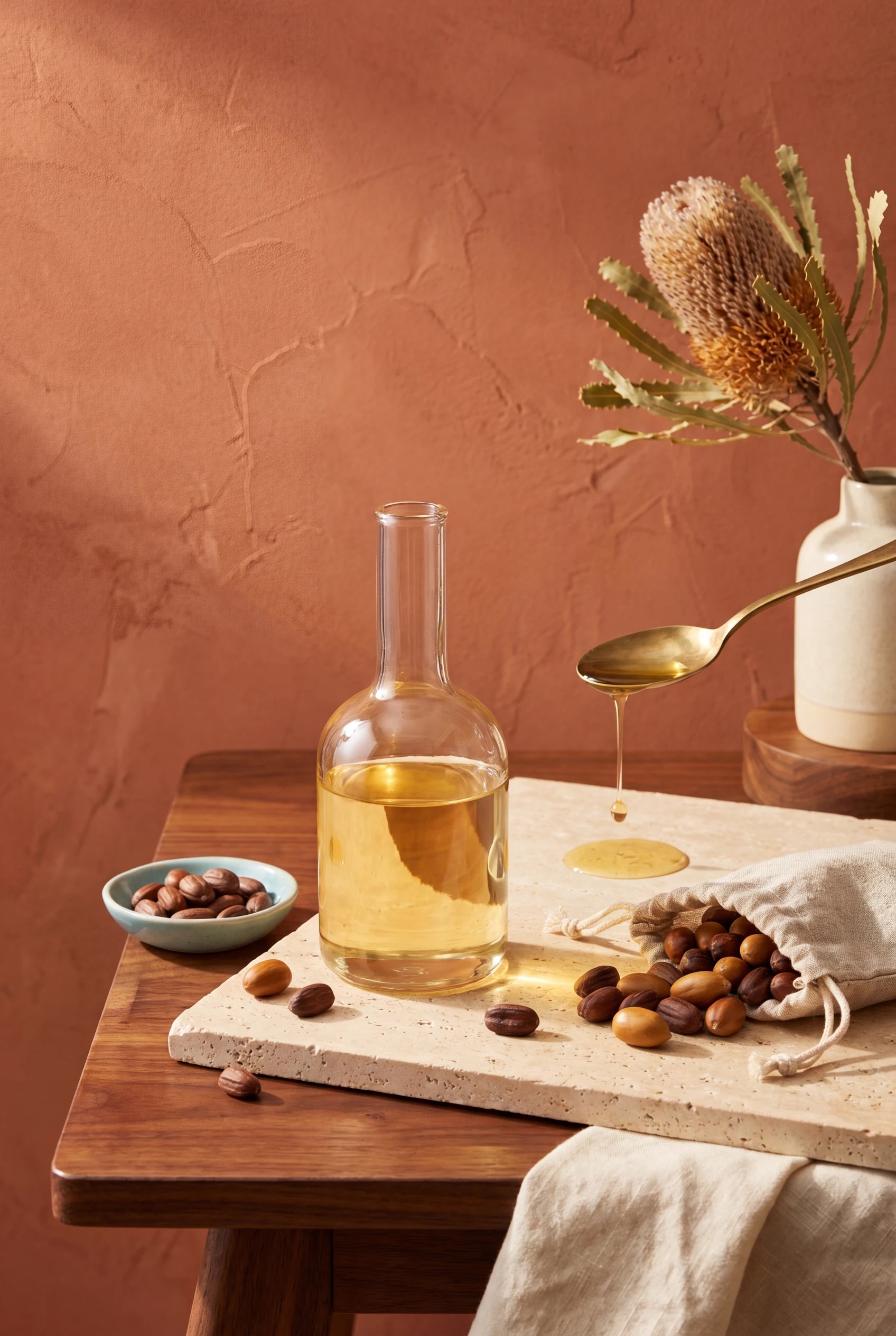
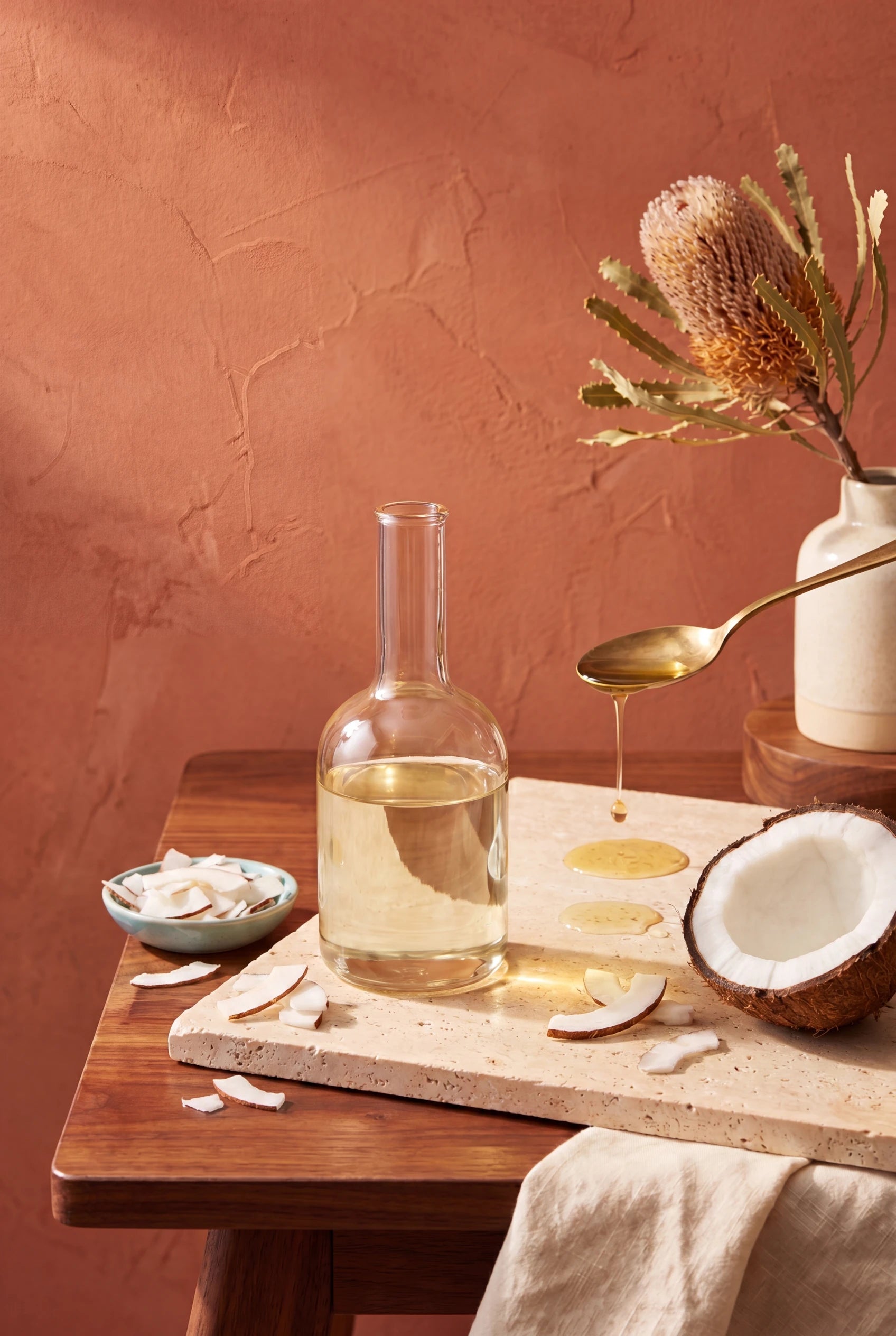
Coconut oil

Cocos nucifera

Hydrates the night before so skin is supple, not flaky, when you tan. Coconut oil supports the barrier and reduces water loss (Evangelista et al., 2014); scrubbing a day ahead lets it absorb so it does not block the tan.

Found in: Mint Condition body scrubWell established

Jojoba oil

Simmondsia chinensis

A light, fast-absorbing oil that conditions without leaving a greasy film (Pazyar et al., 2013), so prepped skin is smooth and tan-ready by the next day.

How it adapts

What you need, and how it helps

TargetHow it solves itKey ingredientWhat you'll notice
Tan going dark on elbows and kneesCoarse salt clears the clingy dry patchesPink saltEven colour, no dark spots
Streaky, blotchy resultsFine polish smooths the whole canvasRapadura sugarA streak-free finish
Tan fading in patchesSmooth base sheds evenly as it fadesMulti-grit polishA tan that fades gracefully
Flaky, dry skin before tanningOils hydrate the night beforeCoconut + jojobaSupple, tan-ready skin
Worried oils will block the tanScrub the day before so oils absorbFast-absorbing jojobaA clean, even base to tan over

Routine pairings

Support the routine

Getting ready feels better with a bright, easy cup in hand.

Good Times

Good Times

mandarin berry hibiscus tea

Good Times is our most antioxidant-rich tea, with mandarin, hibiscus, acai, goji and a full berry cast, a bright, caffeine-free cup. The easy, glowy companion to a get-ready evening, hot or over ice.

See Good Times

People also ask

Questions, answered

The day before, or at least several hours ahead, not right before. That clears the dead skin and gives the oils time to absorb, so you tan over a clean, dry, smooth surface. Tanning straight after a scrub can trap residue and affect how the colour develops.

Not if you time it right. Scrub the day before so the coconut and jojoba absorb overnight, leaving skin smooth, not greasy. Then apply tan to clean, dry skin as usual. The oils prep the skin without leaving a barrier on the day.

Because dry, built-up areas like elbows, knees and ankles soak up more tan and develop darker. The pink salt in this buffs those spots back to match the rest of your skin, which is the main fix for patchy colour.

Prepping for fake tan, in depth

The deep dive

Why tan goes patchy in the first place

Fake tan works by reacting with the outermost layer of skin. The problem is that this layer is uneven: dry, built-up areas like elbows, knees, ankles and heels have more dead cells, so they grab more tan and develop darker, while the rest of you develops normally. Then, as those dead cells naturally shed over the following days, the tan flakes off unevenly, which is the patchy fade everyone knows. The fix on both counts is to even out that surface before you tan.

Why exfoliation is the real secret

Clearing the dead, dry layer gives the tan a smooth, even canvas so colour develops uniformly and fades gracefully. Fine rapadura sugar does the all-over polish, with its natural AHAs loosening the dead-cell build-up (Tang & Yang, 2018), while coarser pink salt buffs back the stubborn spots that go darkest. The result is the single biggest improvement most people can make to a fake tan: not a better tan product, but a better-prepared surface underneath it.

The timing trick most people miss

Here is where most prep goes wrong: scrubbing immediately before tanning. The oils that make this scrub so good for your skin, coconut and jojoba (Evangelista et al., 2014; Pazyar et al., 2013), need time to absorb, and tanning over fresh oil can leave a barrier that blocks even colour. So scrub the day before, or at least several hours ahead, let skin settle, then tan on clean, dry skin. Prep the night before, tan on a fresh surface: that is the whole secret to an even, longer-lasting result.

About the author

Dan Bartley

Co-founder, Sippo

Dan co-founded Sippo with Nicole and writes the brand's ingredient guides, working from peer-reviewed sources and standards bodies like Cochrane and the NIH. He is not a medical professional, and these guides are educational, not medical advice. Every clinical claim on this page is cited in full below, with its evidence tier and any caveats noted honestly.

hello@sippo.au
The research behind this4 peer-reviewed sources, with tiers and caveats
  1. Tang, S.-C., & Yang, J.-H. (2018). Dual effects of alpha-hydroxy acids on the skin. Molecules, 23(4), 863. https://doi.org/10.3390/molecules23040863

    Tier 2Peer-reviewed review

    Supports the AHA exfoliation mechanism. Discusses AHAs at formulation strengths above what raw rapadura sugar delivers, so the page applies the mechanism, not the magnitude.

  2. Kornhauser, A., Coelho, S. G., & Hearing, V. J. (2010). Applications of hydroxy acids: Classifications, mechanisms, and photoactivity. Clinical, Cosmetic and Investigational Dermatology, 3, 135-142. https://doi.org/10.2147/CCID.S9042

    Tier 2Clinical review

    Supports hydroxy-acid chemical exfoliation and surface cell turnover. Mechanism reference; raw cane sugar has not been tested as a finished topical.

  3. Evangelista, M. T. P., Abad-Casintahan, F., & Lopez-Villafuerte, L. (2014). The effect of topical virgin coconut oil on SCORAD index, transepidermal water loss, and skin capacitance in mild to moderate pediatric atopic dermatitis. International Journal of Dermatology, 53(1), 100-108. https://doi.org/10.1111/ijd.12339

    Tier 2Randomised controlled trial

    Topical virgin coconut oil reduced transepidermal water loss and improved skin hydration versus mineral oil (mean SCORAD reduction 68% vs 38%). Population was paediatric atopic dermatitis, not the general body-skin user; cited for the barrier and hydration mechanism.

  4. Pazyar, N., Yaghoobi, R., Ghassemi, M. R., Kazerouni, A., Rafeie, E., & Jamshydian, N. (2013). Jojoba in dermatology: A succinct review. Giornale Italiano di Dermatologia e Venereologia, 148(6), 687-691.

    Tier 2Peer-reviewed review

    Reviews jojoba's close similarity to human sebum, its non-comedogenic conditioning, and anti-inflammatory action. Review-level evidence, not a single large trial.

An even tan starts with an even canvas

Prep the night before, glow the next day. Try it for 30 days, on us if you're not happier.

Shop the range