
Dry and tight skin

Best moisturising body scrub for dry skin that hydrates instead of stripping

Organic body scrub formulated with three plant oils and rapadura sugar to smooth and soften without drying skin out

In short

For dry, tight skin, the best body scrub is one that puts moisture back as it polishes, rather than a gritty cleanser that strips it away. Sippo Mint Condition builds in coconut, jojoba and almond oils plus humectant rapadura sugar, so you step out of the shower soft instead of squeaky. Used two to three times a week, it smooths flaky patches while the oils do the moisturising, so you can usually skip a separate body lotion. It is a cosmetic moisturising routine, not a medical treatment for any skin condition.

Dry skin has a simple problem and most scrubs make it worse. They exfoliate with harsh grit or detergents that strip the skin's own oils, so you finish the shower tight and reaching for lotion. The better approach is to exfoliate gently and moisturise in the same step, on warm, damp skin, which is exactly how Mint Condition is built.

The pick

What we'd reach for

Match for dry skinMint Condition

Mint Condition

matcha mint body scrub

Best for
Smoothing flaky skin while it moisturises
Hero ingredient
Coconut oil (barrier and moisture lock)
Match
All dry and normal skin, gentle for 2 to 3 times a week

How it compares

Sippo vs conventional body scrubs for dry skin

What matters for dry skinSippo Mint ConditionConventional
Moisturises while it exfoliatesYes, three plant oils built inRarely, most strip then leave you to re-moisturise
Leaves skin tight or squeakyNo, you step out softOften, especially with detergent bases
Gentle enough for 2 to 3 times a weekYes, fine rapadura gritSometimes, coarse grit can over-scrub
SLS or harsh detergentsNoneFrequently
Replaces a separate body lotionUsually yesNo
Certified-organic ingredientsYes, all eightRarely

What's inside, and why

The ingredients doing the work

Found in: Mint Condition body scrubWell established

Coconut oil

Cocos nucifera

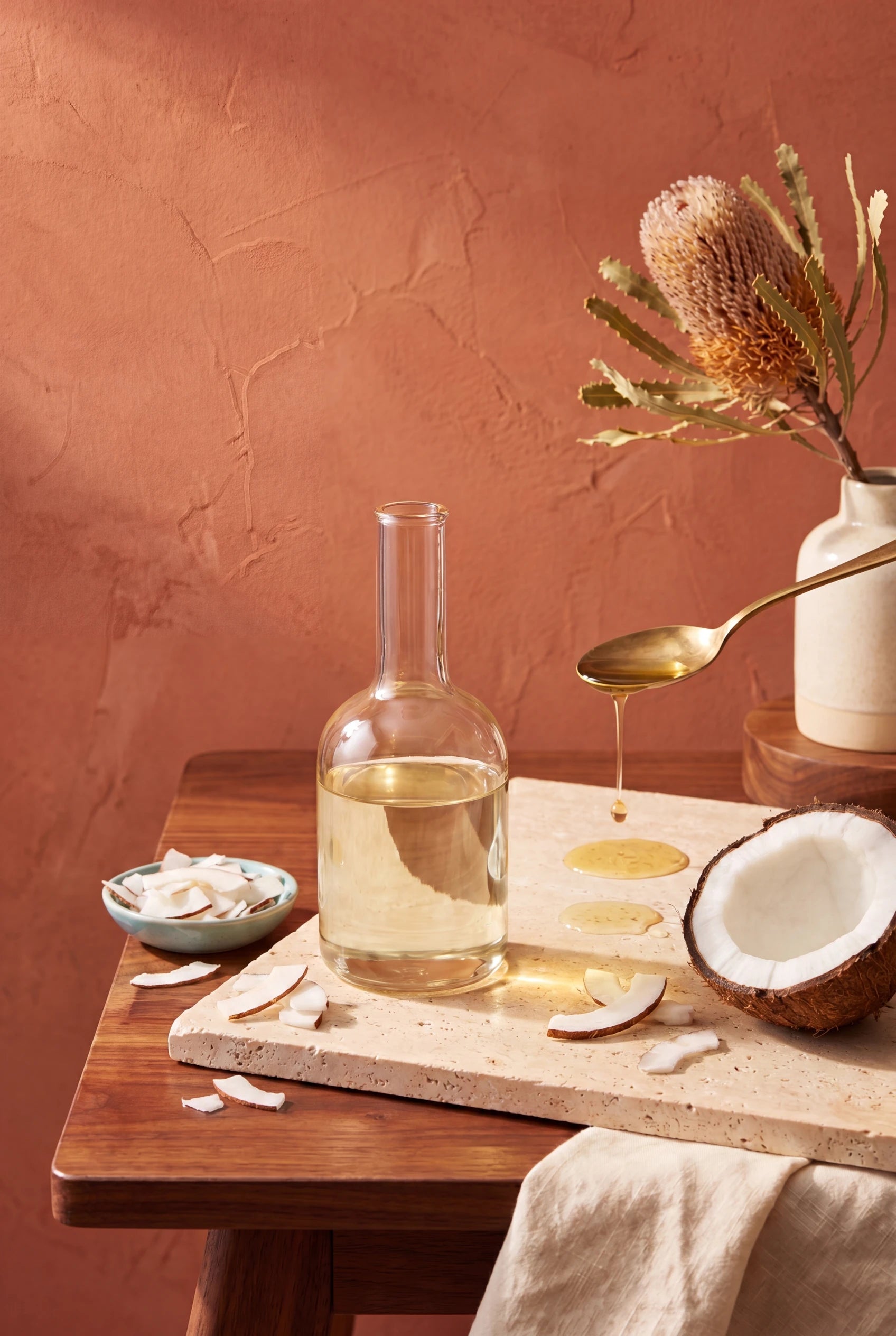
The moisture lock. Rich in lauric acid, coconut oil supports the skin barrier and reduces water loss; a randomised controlled trial found it lowered transepidermal water loss and improved hydration versus mineral oil (Evangelista et al., 2014; Verallo-Rowell et al., 2008).
Found in: Mint Condition body scrubWell established

Jojoba oil

Simmondsia chinensis

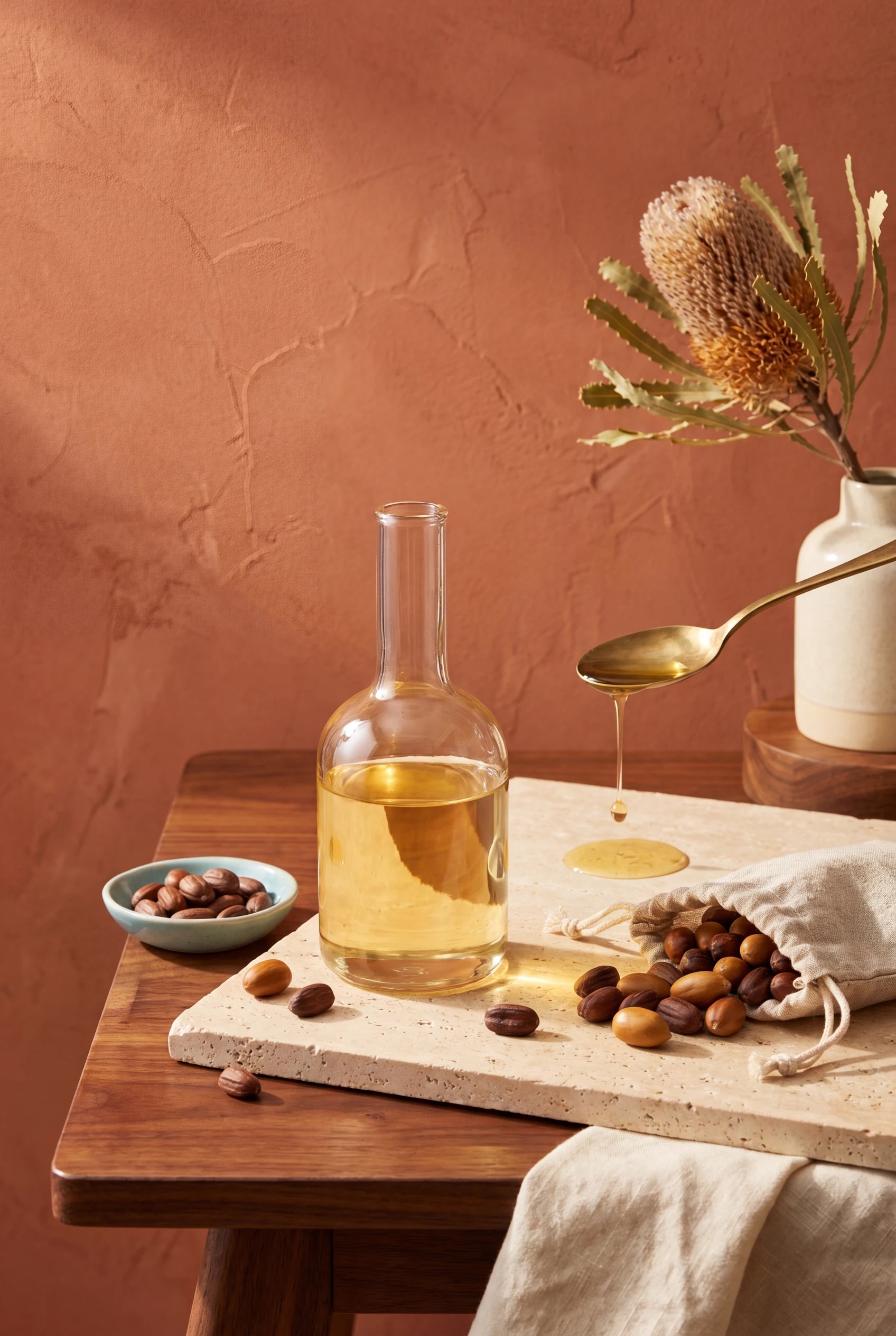
Jojoba's wax-ester structure closely mimics your skin's own sebum, so it conditions and balances without clogging pores (Pazyar et al., 2013). It keeps the polish from ever leaving dry skin tight.

Found in: Mint Condition body scrubTraditional

Rapadura sugar

Saccharum officinarum

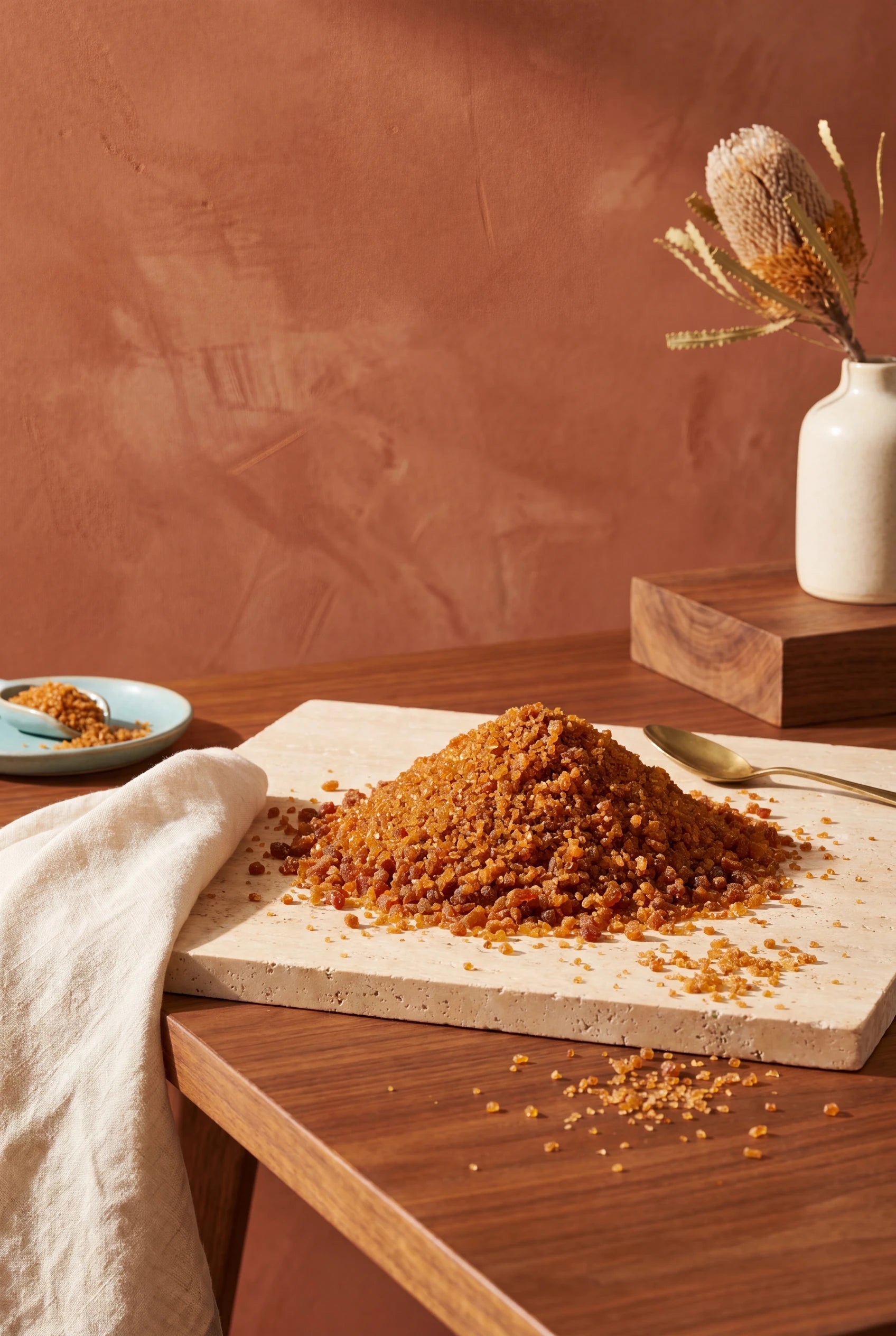
A fine, gentle polish that is also mildly humectant, so it draws a little moisture in as it lifts away the flaky surface layer. Soft enough to use on dry skin two to three times a week.

Found in: Mint Condition body scrubWell established

Almond oil

Prunus dulcis

A light, vitamin E-rich oil that adds a soft, conditioned finish on top of the coconut and jojoba (Ahmad, 2010). The third layer of the built-in moisture.

How it adapts

What you need, and how it helps

TargetHow it solves itKey ingredientWhat you'll notice
Tight, squeaky feeling after showeringThree oils moisturise on warm, damp skinCoconut + jojobaYou step out soft, not stripped
Flaky, rough patchesFine rapadura polish lifts the dry surface layerRapadura sugarSmoother skin within a couple of weeks
Dryness from cold or heated airOils replace the moisture the air pulls outAlmond + coconutSkin holds its softness longer
Forgetting the lotion stepMoisture is built into the scrubTriple-oil blendOne step, no follow-up
Dry skin that still breaks outJojoba conditions without clogging poresJojoba oilSoft skin, clear feeling
Wanting fewer productsReplaces a scrub and a body lotionOrganic, all naturalA simpler shower shelf

Routine pairings

Support the routine

While Mint Condition moisturises from the outside, a soothing cup is a natural companion from the inside.

Quiet Hours

Quiet Hours

mellow mint tea

Quiet Hours leans on marshmallow root, traditionally used to soothe, and chamomile, one of the gentlest evening herbs. A soft, caffeine-free cup for the wind-down, while Mint Condition looks after your skin in the shower.

See Quiet Hours

People also ask

Questions, answered

A stripping one will, because it removes the oils dry skin is already short on. This one is built to do the opposite: three carrier oils are massaged in as you exfoliate, so you finish the shower moisturised, not tight.

Yes, that is when it earns its place. Cold, heated air pulls moisture from skin, and the built-in oils replace it while the rapadura gently clears the flaky surface. Two to three times a week is the sweet spot.

Most people do not. The coconut, jojoba and almond oils do the moisturising in the shower, so you can usually step out and skip the lotion entirely.

Understanding dry skin, in depth

The deep dive

Why skin feels tight after a shower

That tight, squeaky feeling is the sound of stripped skin. Hot water and the harsh detergents in many washes and scrubs dissolve the natural oils and lipids that hold moisture in. Once that barrier is disrupted, water evaporates from the skin faster, which is measured as transepidermal water loss, and the result is the dry, tight, sometimes flaky feeling you notice minutes after towelling off. A scrub that only abrades the surface, with nothing to put back, tends to make this worse rather than better.

Why moisturising in the same step matters

The fix is to exfoliate and moisturise in one move, on warm, damp skin when it absorbs best. Coconut oil is the workhorse here: rich in lauric acid, it supports the skin barrier and slows water loss, and in a randomised controlled trial it reduced transepidermal water loss and improved hydration compared with mineral oil (Evangelista et al., 2014). Jojoba adds conditioning that mimics your own sebum so it never clogs pores (Pazyar et al., 2013), and almond oil brings a light, vitamin E-rich finish (Ahmad, 2010). Building these into the scrub means the moisture goes on while the polish happens, not as a separate step you might skip.

Building a routine for lasting softness

Dry skin rewards consistency more than intensity. Use the scrub two to three times a week with light pressure, let the oils sit for a moment before you rinse, and be especially regular through cold or heated-air months when skin dries out fastest. Because the oils replace your lotion, the whole routine is one step, which makes it realistic to actually keep up. None of this changes your skin type, but a gentle, well-moisturised routine keeps dry skin looking and feeling soft far better than scrubbing harder ever will.

About the author

Dan Bartley

Co-founder, Sippo

Dan co-founded Sippo with Nicole and writes the brand's ingredient guides, working from peer-reviewed sources and standards bodies like Cochrane and the NIH. He is not a medical professional, and these guides are educational, not medical advice. Every clinical claim on this page is cited in full below, with its evidence tier and any caveats noted honestly.

hello@sippo.au
The research behind this4 peer-reviewed sources, with tiers and caveats
  1. Evangelista, M. T. P., Abad-Casintahan, F., & Lopez-Villafuerte, L. (2014). The effect of topical virgin coconut oil on SCORAD index, transepidermal water loss, and skin capacitance in mild to moderate pediatric atopic dermatitis. International Journal of Dermatology, 53(1), 100-108. https://doi.org/10.1111/ijd.12339

    Tier 2Randomised controlled trial

    Topical virgin coconut oil reduced transepidermal water loss and improved skin hydration versus mineral oil (mean SCORAD reduction 68% vs 38%). Population was paediatric atopic dermatitis, not the general body-skin user; cited for the barrier and hydration mechanism.

  2. Verallo-Rowell, V. M., Dillague, K. M., & Syah-Tjundawan, B. S. (2008). Novel antibacterial and emollient effects of coconut and virgin olive oils in adult atopic dermatitis. Dermatitis, 19(6).

    Tier 2Randomised controlled trial

    Virgin coconut oil reduced Staphylococcus aureus colonisation and improved skin condition in adults with atopic dermatitis. Cited for coconut oil's emollient and skin-calming behaviour, not as a claim to treat any condition.

  3. Pazyar, N., Yaghoobi, R., Ghassemi, M. R., Kazerouni, A., Rafeie, E., & Jamshydian, N. (2013). Jojoba in dermatology: A succinct review. Giornale Italiano di Dermatologia e Venereologia, 148(6), 687-691.

    Tier 2Peer-reviewed review

    Reviews jojoba's close similarity to human sebum, its non-comedogenic conditioning, and anti-inflammatory action. Review-level evidence, not a single large trial.

  4. Ahmad, Z. (2010). The uses and properties of almond oil. Complementary Therapies in Clinical Practice, 16(1), 10-12. https://doi.org/10.1016/j.ctcp.2009.06.015

    Tier 2Peer-reviewed review

    Supports almond oil's emollient profile and vitamin E content. Used for the soft, conditioned-finish framing, not a specific skin-condition claim.

Soft skin, no tight feeling, no lotion step

One product that finishes the job. Love it in 30 days or it's on us.

Shop the range