Hawthorn berry

Hawthorn berry tea benefits, and what the research really says

An honest look at the heart herb of folk tradition, and the gap between clinical extracts and a cup of tea

In short

Hawthorn is one of the best-researched herbal cardiovascular ingredients, but the research is for standardised extracts at clinical doses, not a cup of fruit tea, and no tea treats heart conditions. Sippo Good Times includes hawthorn berry in a bright, caffeine-free fruit blend you enjoy daily. Here is what has actually been studied, and the honest gap. Any heart concern belongs with your doctor.

Hawthorn has been the heart herb of European folk tradition for centuries, and unusually for a botanical there is serious clinical research behind it. But the honest headline comes first: that research used concentrated hawthorn extract at clinical doses for diagnosed heart conditions, which is a world away from a cup of fruit tea. Good Times includes hawthorn berry, so this page lays out the science and the gap plainly.

The pick

What we'd reach for

Includes hawthorn berryGood Times

Good Times

mandarin berry hibiscus tea

Best for
A bright, caffeine-free fruit cup with hawthorn
Hero ingredient
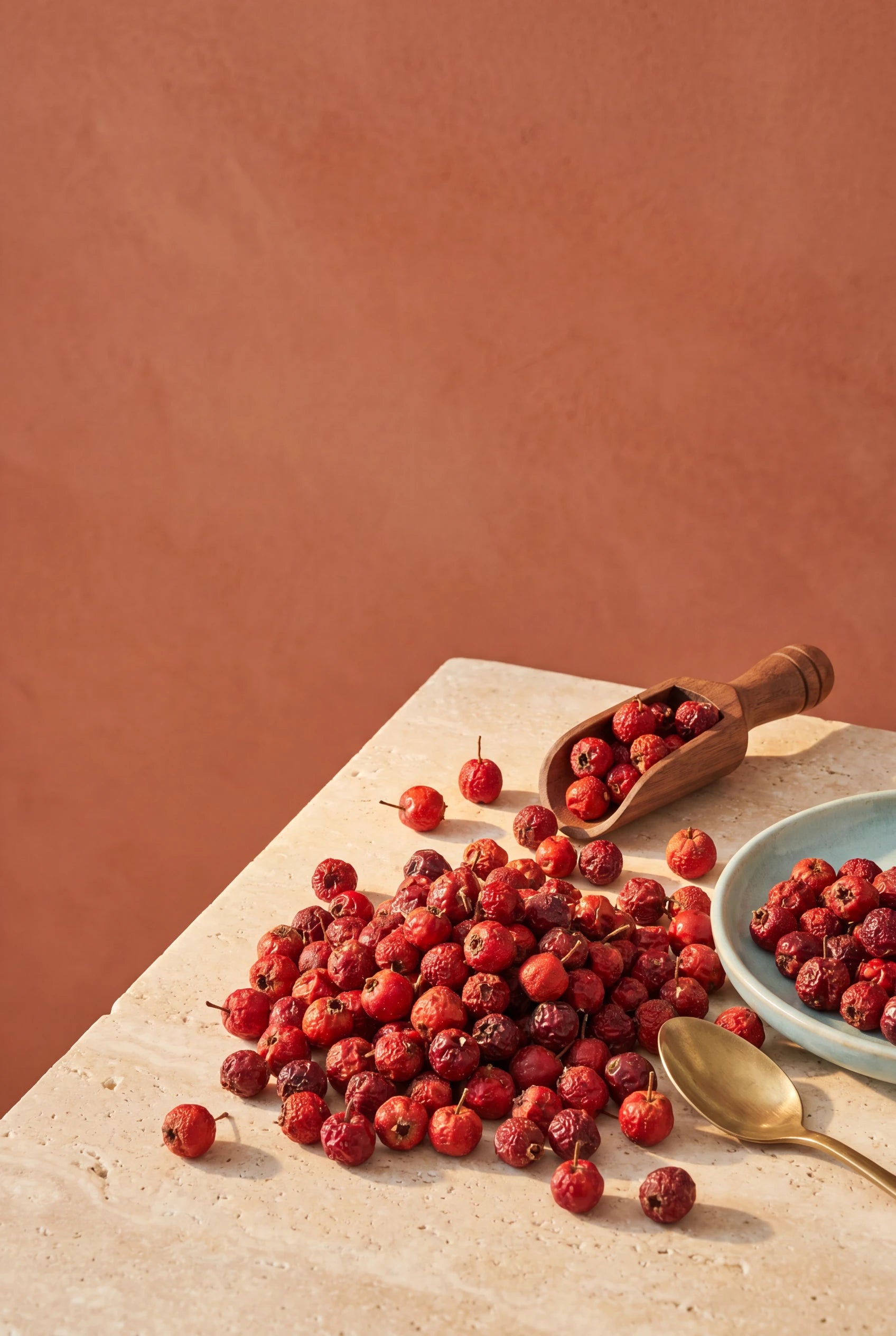
Hawthorn berry
Match
Anyone who enjoys a tart, fruity cup

What's inside, and why

The ingredients doing the work

Found in: Good Times teaEmerging

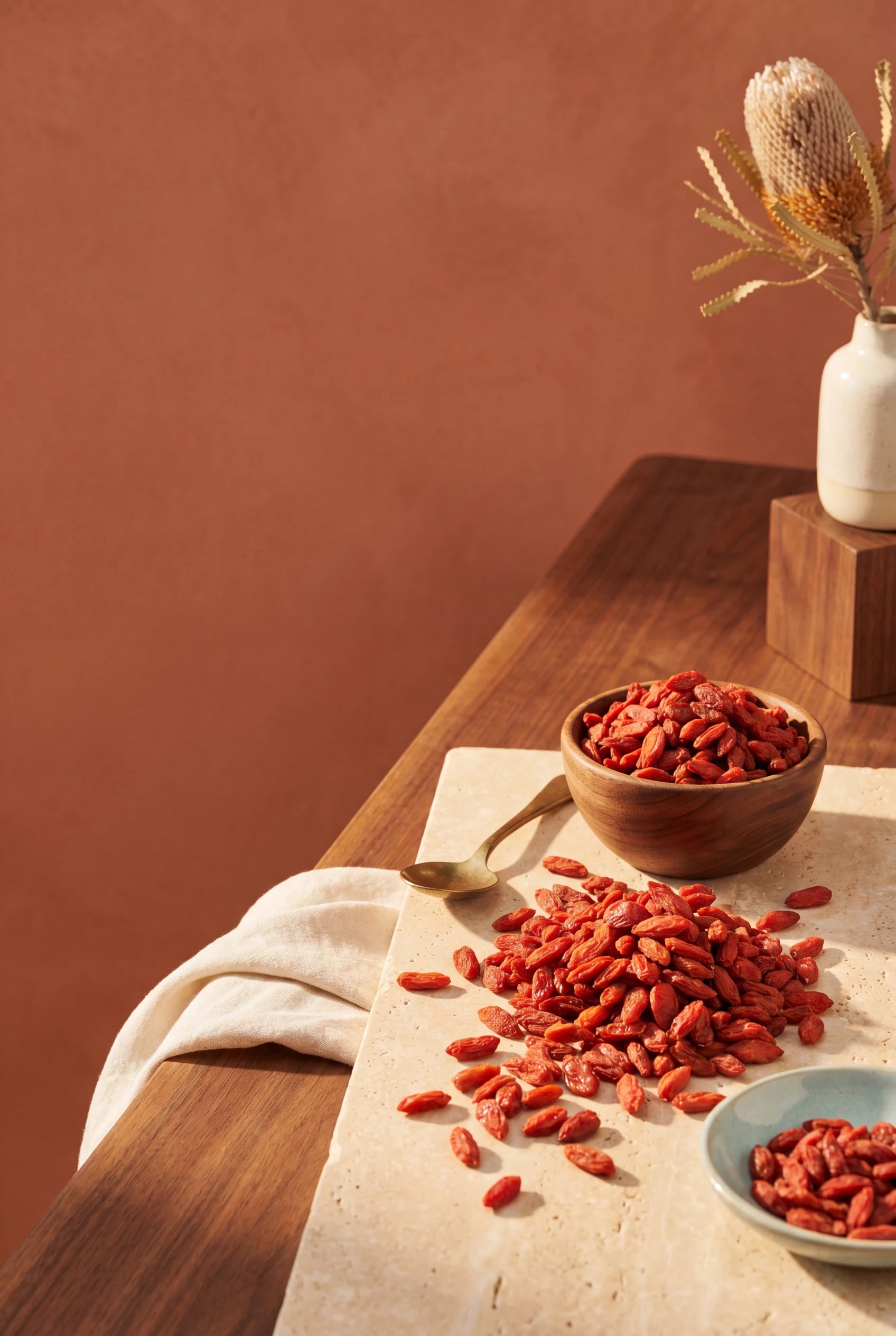
Hawthorn berry

Crataegus

The heart herb of folk tradition, and the reason this page exists. A Cochrane review found standardised hawthorn extract improved symptoms in chronic heart failure as an add-on therapy (Pittler et al., 2008), at extract doses far above a teabag, with its flavonoids and OPCs the likely actives (Tassell et al., 2010). Cited honestly, never as a treatment.
Found in: Good Times teaWell established

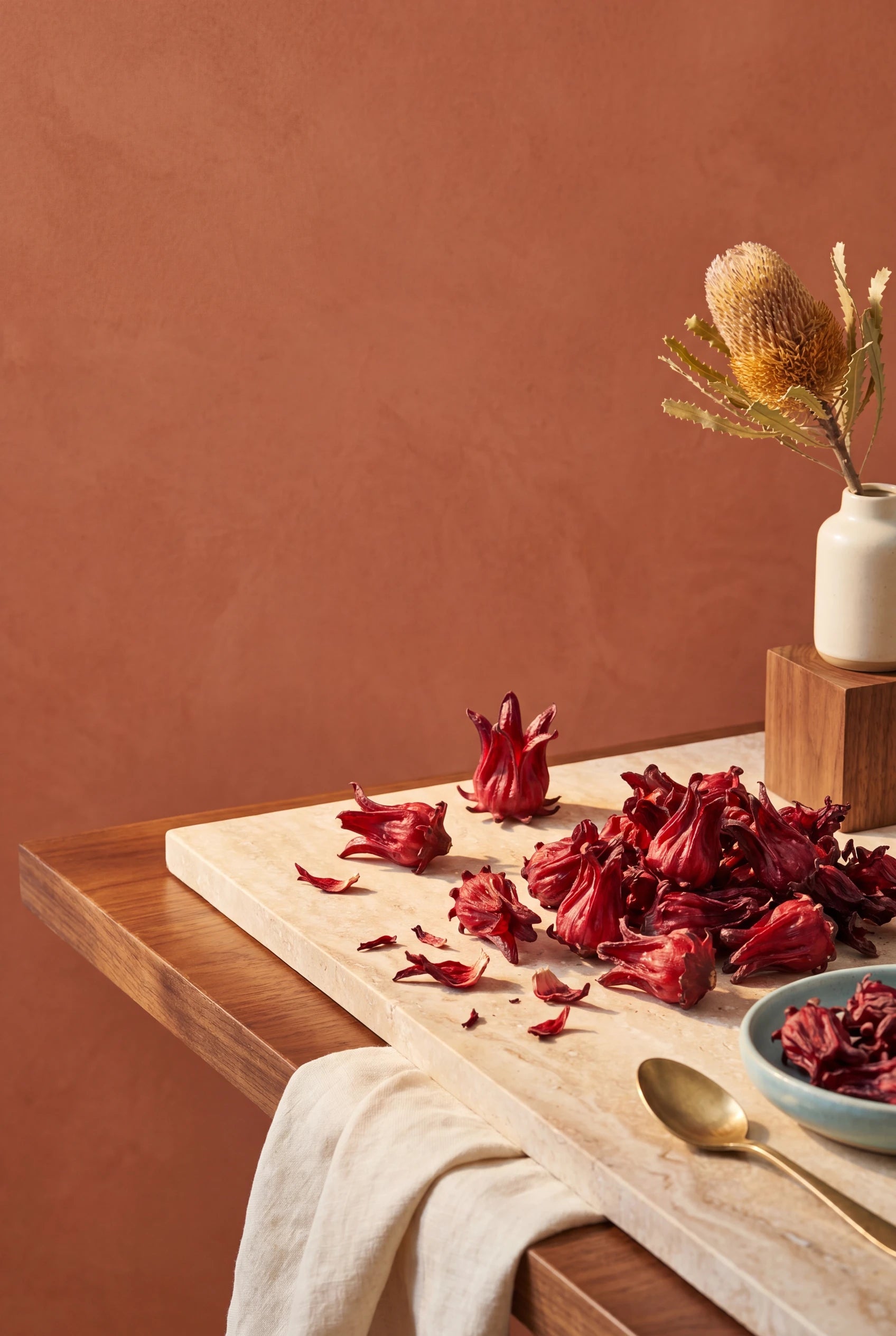
Hibiscus flower

Hibiscus sabdariffa

The ruby base, rich in antioxidant anthocyanins and vitamin C, with its own research interest in blood pressure at concentrated doses (Ellis et al., 2022).

Found in: Good Times teaEmerging

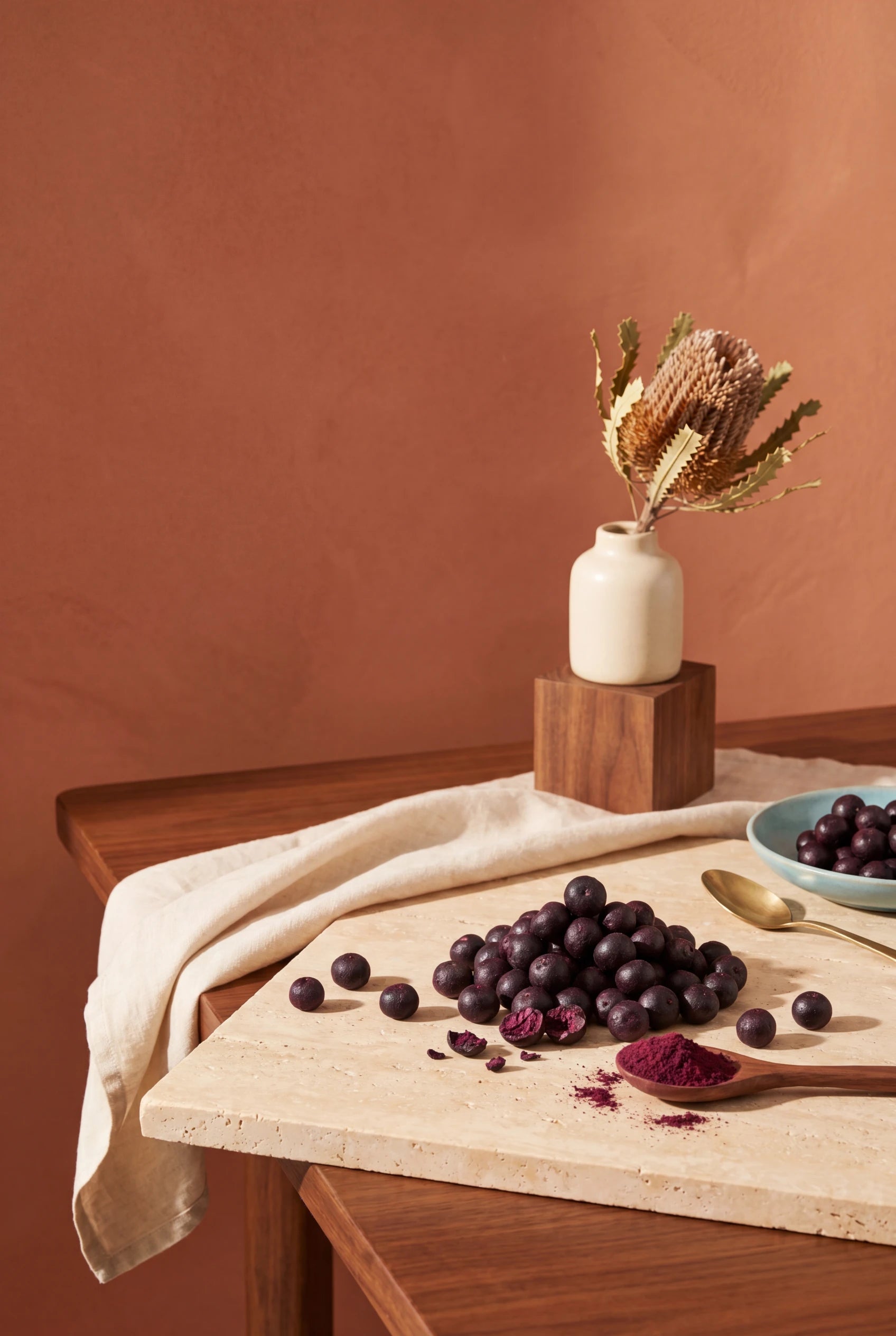
Acai berry

Euterpe oleracea

A deep berry note valued for its anthocyanin antioxidant content, adding depth to the cup.

Found in: Good Times teaTraditional

Goji berry

Lycium barbarum

A soft, sweet berry with a long traditional use and a carotenoid and vitamin C content that rounds the tartness.

How it adapts

What you need, and how it helps

TargetHow it solves itKey ingredientWhat you'll notice
Curious about hawthorn and the heartAn honest read of the research, not a promiseHawthorn berryClear, measured information
Wanting a daily cup you enjoyA bright, tart, fruity blendHawthorn + hibiscusA drink you look forward to
Cutting caffeineNaturally caffeine-freeFruit and flower, no tea leafEnjoy it any hour
Avoiding sugary drinksTart and fruity with no added sugarReal fruitA better daily habit

People also ask

Questions, answered

Hawthorn has the most serious evidence of any berry we use: a Cochrane review found standardised hawthorn extract, taken as an add-on to conventional treatment, improved symptoms in chronic heart failure (Pittler et al., 2008). But that used concentrated extract at gram-scale doses, not infused berries in a fruit tea, so we will not claim Good Times does anything for your heart. It is a fruit cup that happens to include a genuinely interesting berry.

Absolutely not. Heart conditions require medical care, and hawthorn can interact with several cardiac and blood-pressure medicines. Never stop or change a prescription based on a tea. If hawthorn interests you, raise it with your doctor first.

Hawthorn may interact with heart and blood-pressure medicines in particular. If you take any regular medication, are pregnant or breastfeeding, please check with your doctor or pharmacist before drinking it regularly.

Bright, tart and fruity, led by ruby hibiscus and mandarin, with hawthorn and acai adding a soft, rounded berry depth. Lovely hot, excellent iced, caffeine free and no added sugar.

Hawthorn and the heart, honestly

The deep dive

Start with the limit

Of all the topics where a tea brand could overreach, heart health is the most serious, so we will be blunt: no tea treats heart disease or heart failure, these are conditions that require proper medical care, and you must never substitute a drink for prescribed treatment. Hawthorn also interacts with several heart medicines, another reason to keep your doctor in the loop. With that set, hawthorn's history is genuinely interesting.

What the research found

Hawthorn is unusual among botanicals in having Tier 1 evidence. A Cochrane systematic review of 14 trials found that standardised hawthorn extract, used as an add-on to conventional heart-failure treatment, improved symptom control and some physiologic measures (Pittler et al., 2008), and reviews of its phytochemistry point to flavonoids and oligomeric proanthocyanidins as the likely actives (Tassell et al., 2010). For a folk remedy, that is a serious evidence base.

Why a fruit tea is not that

Here is the crucial gap. Those trials used standardised hawthorn extract at hundreds of milligrams to over a gram per day, a concentrated preparation, taken by people already under medical care. Good Times contains hawthorn berry as one ingredient in a balanced fruit blend. The amount and form are nothing like the studies, so it would be misleading to suggest the cup carries the same effect. It does not, and we will not imply it does.

Where a daily cup fits

Enjoy Good Times for what it honestly is: a bright, tart, caffeine-free, no-added-sugar fruit tea that happens to include one of the most storied berries in herbal tradition. If hawthorn interests you for heart reasons, the right next step is a conversation with your doctor, not a teabag, especially given the medication interactions. Drink the tea because it is genuinely lovely.

About the author

Dan Bartley

Co-founder, Sippo

Dan co-founded Sippo with Nicole and writes the brand's ingredient guides, working from peer-reviewed sources and standards bodies like Cochrane and the NIH. He is not a medical professional, and these guides are educational, not medical advice. Every clinical claim on this page is cited in full below, with its evidence tier and any caveats noted honestly.

hello@sippo.au
The research behind this3 peer-reviewed sources, with tiers and caveats
  1. Pittler, M. H., Guo, R., & Ernst, E. (2008). Hawthorn extract for treating chronic heart failure. Cochrane Database of Systematic Reviews, 1, CD005312. https://doi.org/10.1002/14651858.CD005312.pub2

    Tier 1Cochrane systematic review (14 trials, 855 patients)

    Found hawthorn EXTRACT, used as an add-on to conventional treatment, improved symptoms in chronic heart failure. Crucially this used standardised extract at 600-1800 mg/day, not infused berries; a teabag does not replicate this. Cited for context, never as a treatment.

  2. Tassell, M. C., Kingston, R., Gilroy, D., Lehane, M., & Furey, A. (2010). Hawthorn (Crataegus spp.) in the treatment of cardiovascular disease. Pharmacognosy Reviews, 4(7), 32-41. https://doi.org/10.4103/0973-7847.65324

    Tier 2Review

    Reviews hawthorn's phytochemistry (oligomeric proanthocyanidins) and cardiovascular mechanisms, and the long traditional use of the berry. Cited for the ingredient story and the honest distinction between extract doses and a tea.

  3. Ellis, L. R., Zulfiqar, S., Holmes, M., Marshall, L., Dye, L., & Boesch, C. (2022). A systematic review and meta-analysis of the effects of Hibiscus sabdariffa on blood pressure and cardiometabolic markers. Nutrition Reviews, 80(6), 1723-1737. https://doi.org/10.1093/nutrit/nuab104

    Tier 2Systematic review and meta-analysis (17 trials)

    Pooled chronic trials found hibiscus lowered systolic blood pressure by about 7 mmHg versus placebo. Most trials used concentrated hibiscus over weeks; a fruit blend with hibiscus is gentler, so this is context, not a promise.

A storied berry, honestly described

A bright, caffeine-free fruit cup that includes hawthorn, with none of the overclaiming. Love it in 30 days or it's on us.

Shop Good Times