Rose petal benefits

Rose petal tea benefits and how to drink it

An honest, sensory-first guide to the most romantic note in tea, where tradition leads and research is sparse

In short

Rose petal tea is, above all, a sensory pleasure: a soft, romantic perfume that real petals give and synthetic rose never can. Its benefits are mostly traditional and aromatic rather than clinical, and we will be honest that modern research on rose in tea is sparse. Sippo uses whole organic rose petals in Slow Mornings and Good Times. Drink it for the genuine joy of it, not for a health claim.

Rose is the most romantic note in tea and the easiest to get wrong, synthetic rose tastes of soap while real petals give a soft, layered perfume. Its appeal is honestly sensory and traditional rather than medicinal, and we would rather tell you that than dress it up. Sippo weaves whole organic rose petals through two blends, and this is a guide to enjoying them.

The pick

What we'd reach for

Real rose petalsSlow Mornings

Slow Mornings

smooth breakfast tea

Best for
A soft, romantic, aromatic rose cup
Hero ingredient
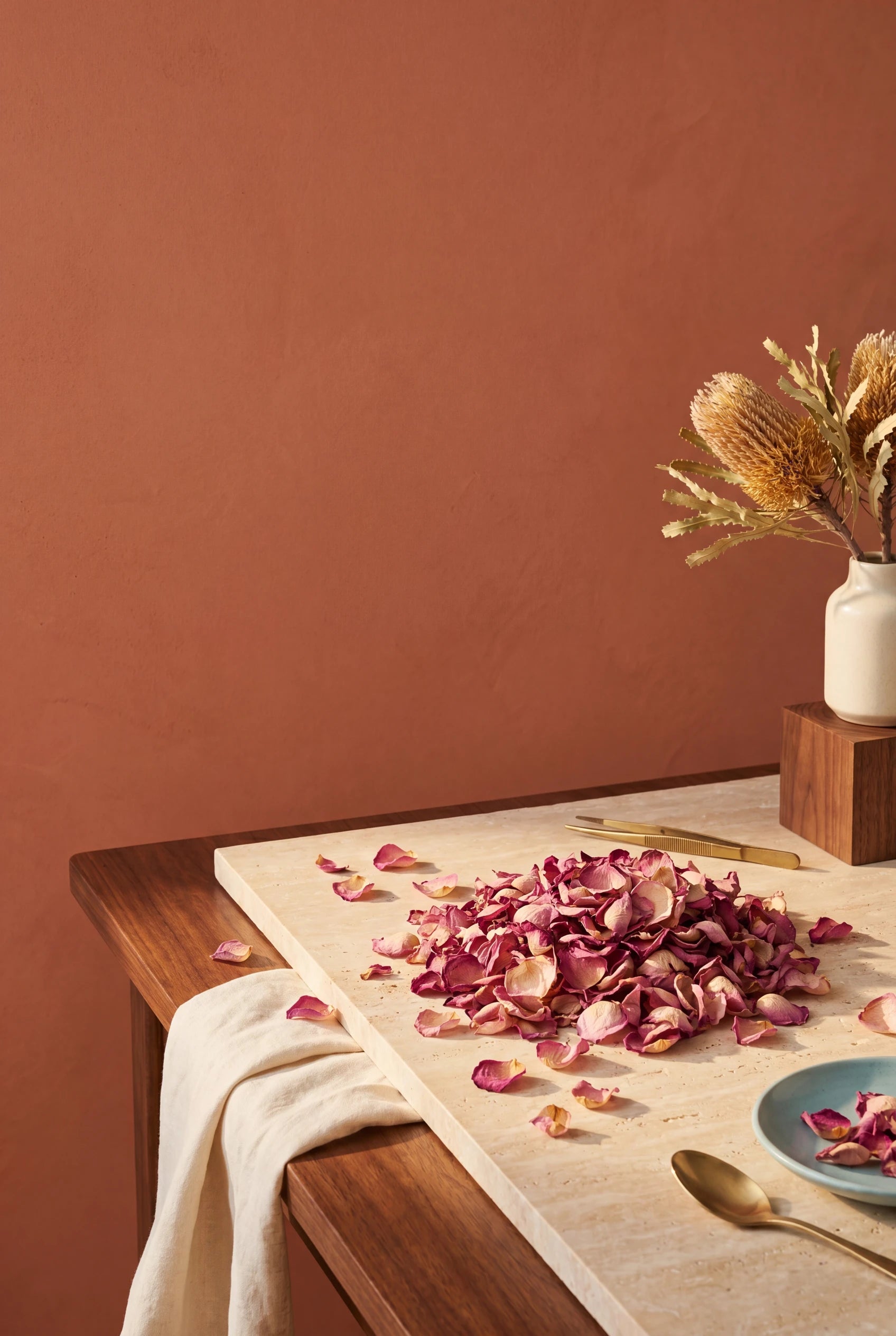
Whole rose petals
Match
Anyone who loves a floral, rose-scented tea

What's inside, and why

The ingredients doing the work

Found in: Slow Mornings and Good TimesTraditional

Rose petals

Rosa damascena

Whole organic rose petals for a soft, romantic perfume. We use them for their aroma and a long tradition of beauty and calm rather than a health claim, real petals, never synthetic rose. Modern clinical research on rose tea is sparse, so we keep this honest.
Found in: Slow Mornings teaTraditional

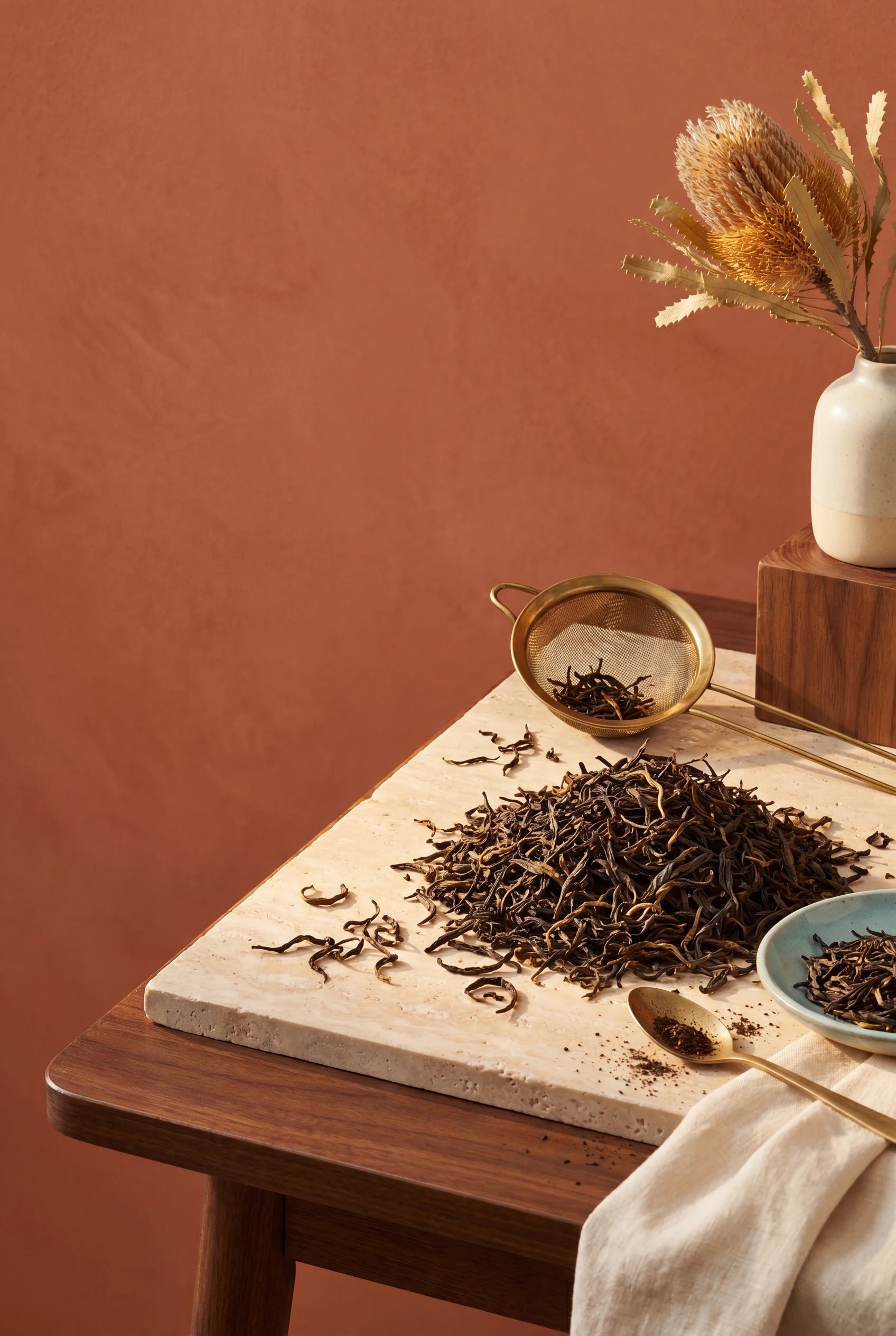
Ceylon black tea

Camellia sinensis

In Slow Mornings, rose softens a brisk Ceylon and Assam base, the classic rose-and-black-tea pairing that makes a morning cup feel considered.

Found in: Good Times teaTraditional

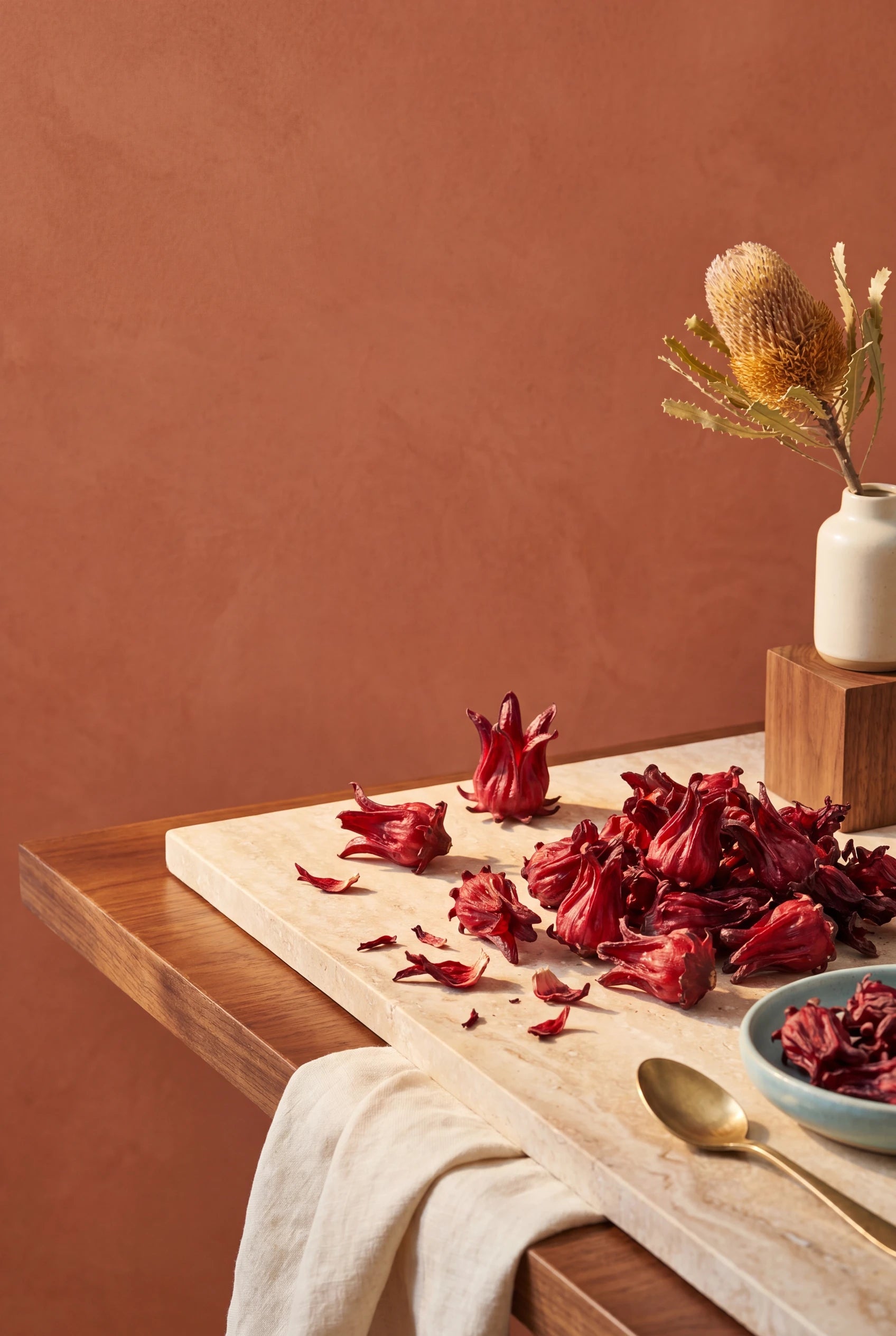
Hibiscus flower

Hibiscus sabdariffa

In Good Times, ruby hibiscus gives rose a bright, tart partner, so the rose reads fresh and aromatic rather than heavy.

Found in: Good Times teaTraditional

Mandarin peel

Citrus reticulata

Bright citrus that lifts the rose and keeps the cup fresh, a natural companion to floral notes.

How it adapts

What you need, and how it helps

TargetHow it solves itKey ingredientWhat you'll notice
Wanting a genuinely rose-scented cupWhole real petals, not flavouringRose petalsSoft, natural perfume
Disliking soapy rose teasAroma from real petals onlyOrganic roseRomantic, never soapy
Rose in the morningRose softening a black teaSlow MorningsA considered morning cup
Rose in a bright cupRose lifted by fruit and hibiscusGood TimesFresh and aromatic, hot or iced
A romantic ritualSoft floral steam to slow down withRose petalsA small sensory luxury

People also ask

Questions, answered

Honestly, its benefits are mostly sensory and traditional rather than clinical: a soft, romantic aroma, a calming ritual, and a long heritage in beauty and relaxation. Modern research on rose in tea is sparse, so we will not make health claims for it. We think the genuine pleasure of a real-petal cup is reason enough.

Real rose petals should not. Synthetic rose flavouring tastes soapy, but whole petals give a soft, layered aroma that is romantic rather than overpowering, especially balanced in a blend as ours are.

The rose in Good Times is caffeine free. In Slow Mornings, rose softens a black-tea base, so that cup does contain caffeine. Choose by the moment.

The rose in Good Times is gorgeous both ways, especially iced with the hibiscus and fruit. The rose in Slow Mornings is best hot, where it softens the black tea.

Rose tea, as a pleasure

The deep dive

Why real petals matter

Rose is the note that separates a beautiful floral tea from a cheap one. Synthetic rose flavouring is unmistakable and unpleasant, soapy, sharp and one-dimensional. Whole rose petals are the opposite: they release a soft, layered, genuinely romantic aroma as they steep, the smell of a garden rather than a cosmetics aisle.

An honest word on benefits

We will be straight with you: rose has a long, lovely tradition around beauty, calm and romance, but the modern clinical research on rose petal tea is sparse, and we are not going to invent benefits it has not earned. Its value is sensory and traditional, the aroma, the ritual, the small luxury, and that is a genuinely good reason to drink it, without pretending it is medicine.

Rose two ways in the range

Sippo uses organic rose petals in two blends, each playing a different role. In Slow Mornings, rose softens the brisk Ceylon and Assam black teas, a classic, considered pairing. In Good Times, rose joins ruby hibiscus and bright fruit, where it adds a soft floral lift to a tart, juicy cup, lovely hot and beautiful iced.

How to enjoy a rose cup

Give rose a little room and slightly cooler water than a black tea if you want the delicate aroma to shine, and a few quiet minutes to let the perfume develop with the steam. Rose rewards slowing down, the scent is half the pleasure, so it is a natural choice for a calm, romantic moment.

About the author

Dan Bartley

Co-founder, Sippo

Dan co-founded Sippo with Nicole and writes the brand's ingredient guides, working from peer-reviewed sources and standards bodies like Cochrane and the NIH. He is not a medical professional, and these guides are educational, not medical advice. Every clinical claim on this page is cited in full below, with its evidence tier and any caveats noted honestly.

hello@sippo.au

Real rose, a soft romantic cup

Whole organic petals, true aroma, honestly described. Love it in 30 days or it's on us.

Shop the teas