
Green tea benefits

Green tea benefits: what the research actually says

An honest look at the evidence for green tea and its EGCG catechins, and the blends it sits in

In short

Green tea is among the most-studied teas, with research interest in heart health, modest cholesterol reductions, and antioxidant EGCG catechins. Sippo uses sencha green tea in Stay Awhile and matcha green tea in the Mint Condition scrub. Honest framing: green tea is a genuinely well-researched leaf, but the trials use higher doses than a blend, so we cite the research as context, not a treatment claim.

Green tea has more research behind it than almost any other, which also makes it one of the most over-hyped. Here is the grounded version of what the evidence actually supports, and where green tea shows up in the Sippo range, as the sencha in Stay Awhile and the matcha in our body scrub.

The pick

What we'd reach for

Contains sencha green teaStay Awhile

Stay Awhile

warm apple spice tea

Best for
Green tea's character in a balanced, cosy blend
Hero ingredient
Sencha green tea
Match
Anyone curious about green tea, gently

How it compares

Green tea, fairly assessed

What the research supportsSippo Stay AwhileConventional
Antioxidant EGCG catechinsYes, well documentedOften exaggerated as a cure
Research interest in heart healthYes, modest (Hartley)Sold as guaranteed protection
Modest cholesterol reductionYes, small effect (Zheng)Framed as a statin alternative
Weight lossNot clinically significantHeavily marketed, weak evidence
Caffeine paired with L-theanineYes, calm focusOverblown as a nootropic
A pleasant daily cupYes, unquestionablyNot in doubt

What's inside, and why

The ingredients doing the work

Found in: Stay Awhile teaWell established

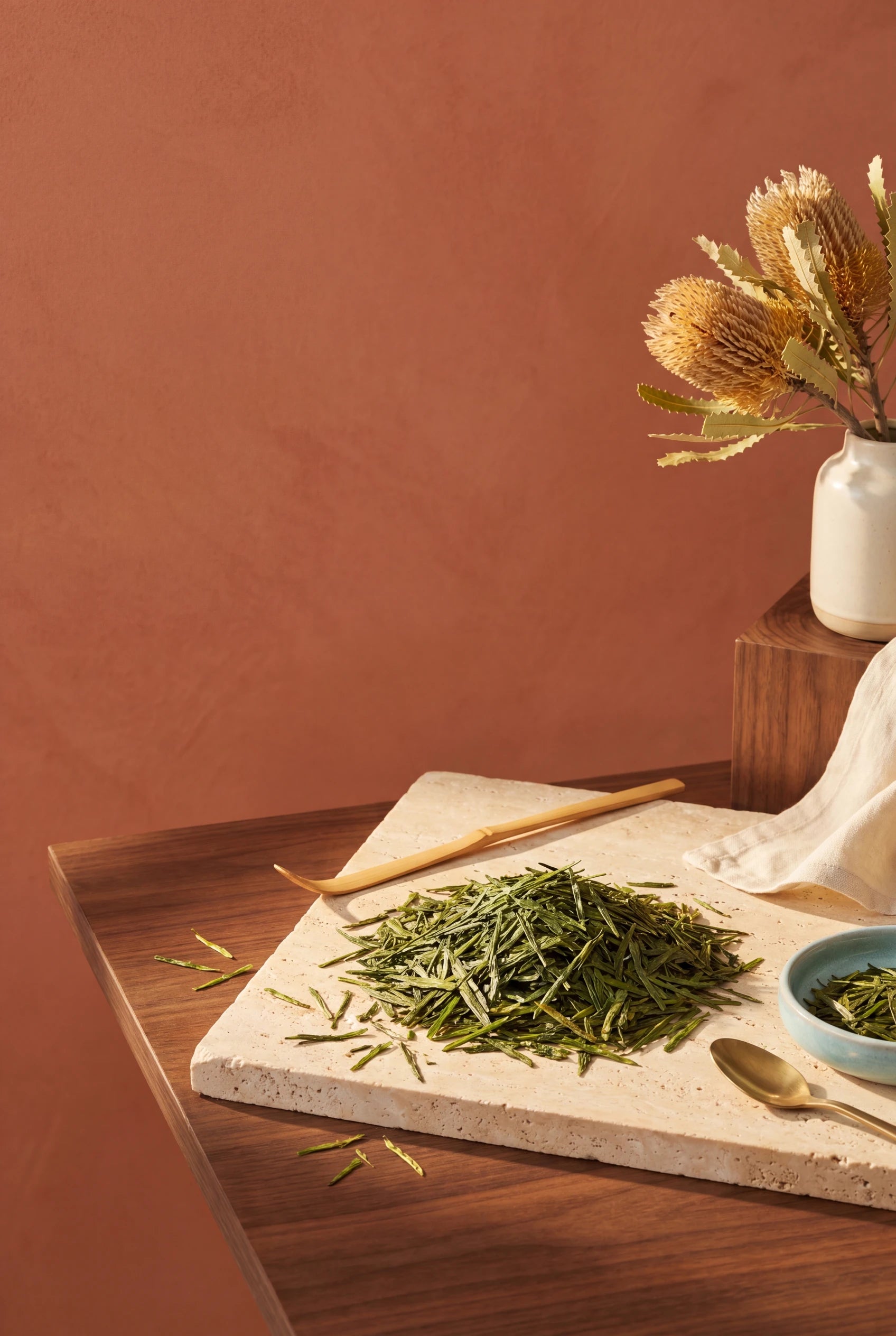
Sencha green tea

Camellia sinensis

A Japanese green tea rich in EGCG catechins, the antioxidants green tea is known for (Katiyar et al., 2000). A meta-analysis also linked green tea intake to modest reductions in total and LDL cholesterol (Zheng et al., 2011).
Found in: Stay Awhile teaTraditional

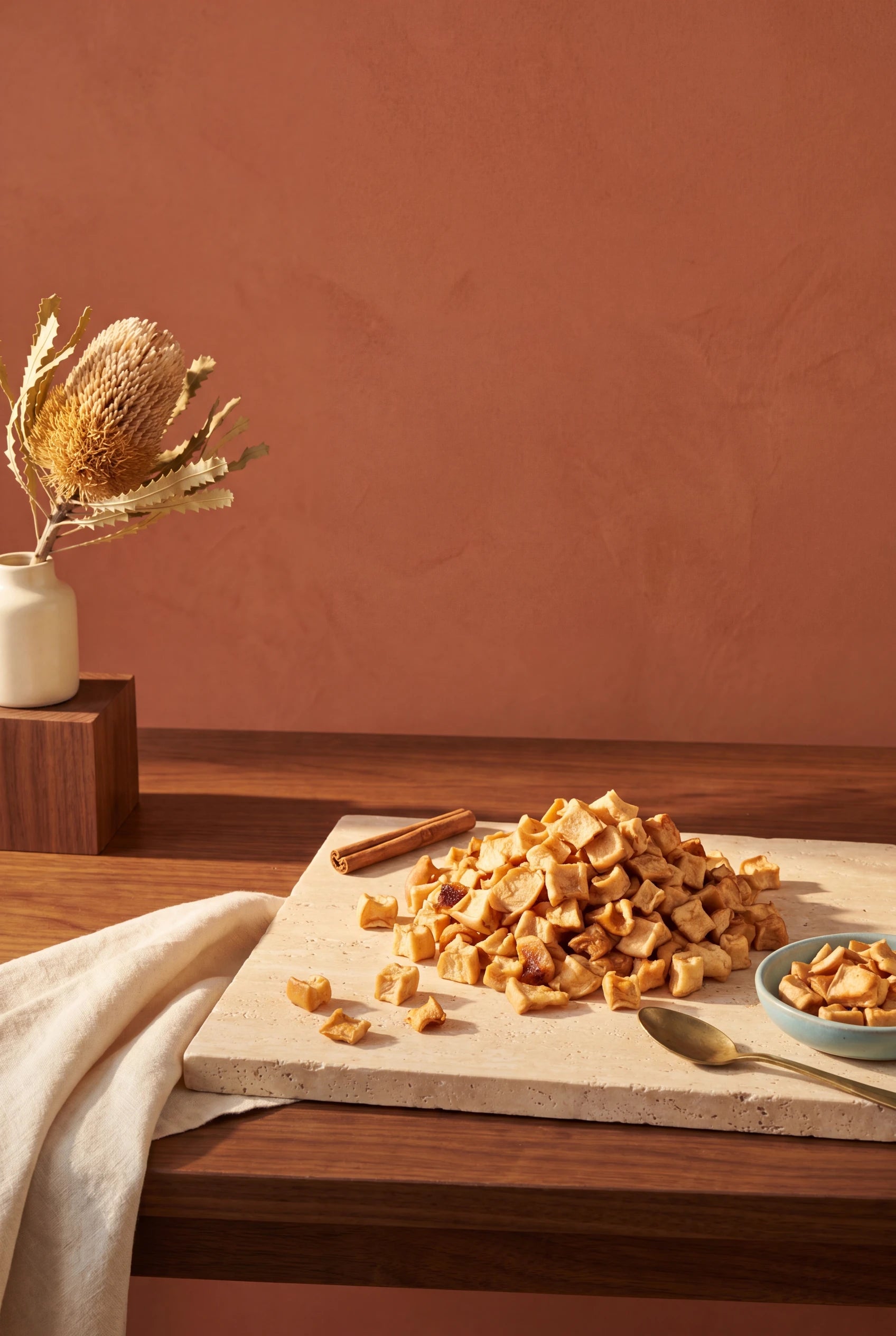
Apple pieces

Malus domestica

Real dried apple gives the blend its warm, comforting sweetness, balancing the green tea so the cup is cosy rather than grassy or bitter.

Found in: Stay Awhile teaTraditional

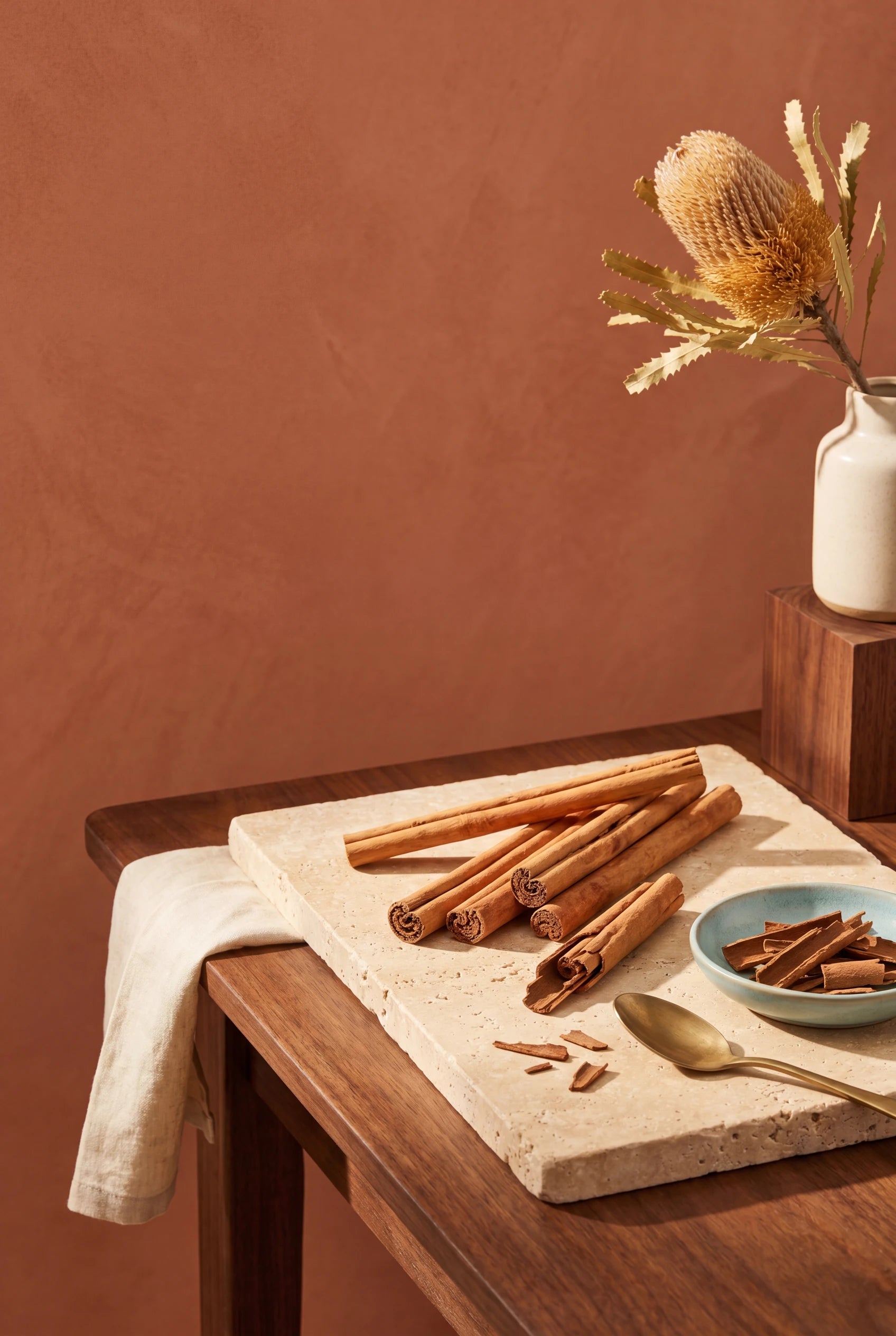
Cinnamon bark

Cinnamomum

Gentle baking spice that rounds out the sencha, a far more inviting way to drink green tea than on its own for many people.

Found in: Mint Condition body scrubWell established

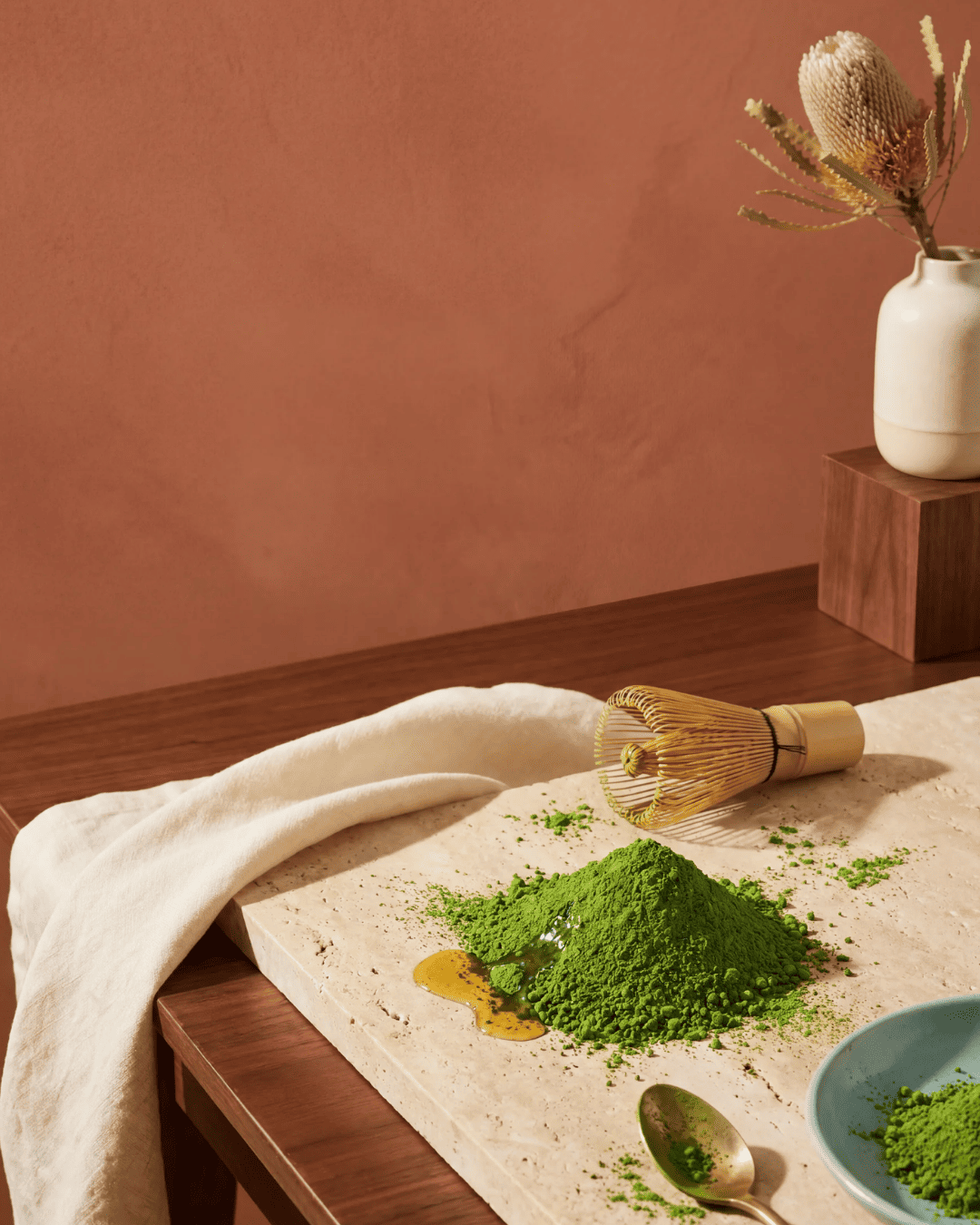
Matcha green tea

Camellia sinensis

Green tea also appears as matcha in our body scrub, where its EGCG works as a topical antioxidant on the skin (Katiyar et al., 2000), the green-tea story applied from the outside.

How it adapts

What you need, and how it helps

TargetHow it solves itKey ingredientWhat you'll notice
Curious about green tea benefitsAn honest read of the EGCG and heart researchSencha green teaClear, measured information
Finding green tea too bitterSencha balanced with apple and spiceStay Awhile blendCosy, not grassy
Wanting antioxidantsEGCG catechins, well documentedSencha + matchaAntioxidants in cup and on skin
Avoiding overhyped wellness claimsWe separate evidence from marketingHonest framingNo statin or weight-loss claims
Green tea for the skinMatcha EGCG as a topical antioxidantMint ConditionThe green-tea story, applied

Outside-in routine pairings

Green tea for your skin, too

You can drink green tea in Stay Awhile and apply it to your skin in Mint Condition.

Mint Condition

Mint Condition

matcha mint body scrub

Mint Condition is our matcha mint body scrub. Matcha is a green tea, and its EGCG catechins act as topical antioxidants on the skin (Katiyar et al., 2000), the same leaf that flavours your cup, working on the surface.

See Mint Condition

People also ask

Questions, answered

The best-supported points are its antioxidant EGCG catechins (Katiyar et al., 2000), a research interest in heart health (Hartley et al., 2013), and modest reductions in total and LDL cholesterol in a meta-analysis (Zheng et al., 2011). These used green tea or extracts over time, often at higher doses than a blended cup, so we frame them as genuine research interest, not promises.

We will be straight: a Cochrane review found green tea's effect on weight was small and not clinically significant (Hartley et al., 2013 and related Cochrane work). It is one of the most over-marketed claims about green tea, and we will not make it.

Sencha is one part of the Stay Awhile blend, alongside apple, cinnamon and spice, so it is a gentler, more balanced way to enjoy green tea than a strong straight cup. Matcha green tea is in the Mint Condition body scrub for topical antioxidants.

Green tea contains caffeine, so Stay Awhile has a gentle lift from its sencha. It is mild because sencha is just one component of the blend.

Green tea, honestly

The deep dive

The most-studied leaf, and the most hyped

Green tea has been researched more than almost any other drink, which cuts both ways: there is genuine evidence behind some of its reputation, and an enormous amount of exaggeration layered on top. The honest approach is to separate the two, keep what the good studies support, and let go of the marketing, especially the fat-burning claims that the strongest reviews simply do not back up.

What's genuinely supported

Green tea is rich in catechins, especially EGCG, well documented as antioxidants (Katiyar et al., 2000). A Cochrane review found a research interest in cardiovascular prevention (Hartley et al., 2013), and a meta-analysis of 14 trials found green tea intake modestly lowered total and LDL cholesterol (Zheng et al., 2011). It also pairs caffeine with calming L-theanine, the combination behind its reputation for calm focus. These are real, if modest, and they used green tea or extracts over weeks.
What's overclaimed

The big one is weight loss: Cochrane-level evidence finds green tea's effect on weight is small and not clinically significant, so the fat-burner positioning is not honest. Likewise, green tea is not a replacement for cholesterol medication or a guarantee against heart disease. We would rather tell you that plainly than sell you a myth, because the genuine, modest benefits are reason enough to enjoy it.

Green tea in the Sippo range

We use green tea two ways. Sencha sits in the Stay Awhile blend, balanced with apple and spice so it is a cosy, approachable way to drink green tea rather than a bitter straight cup. And matcha, a powdered green tea, is in the Mint Condition body scrub, where its EGCG acts as a topical antioxidant on the skin (Katiyar et al., 2000). So you can enjoy green tea's character in your cup and its antioxidants on your skin, both honestly framed.

About the author

Dan Bartley

Co-founder, Sippo

Dan co-founded Sippo with Nicole and writes the brand's ingredient guides, working from peer-reviewed sources and standards bodies like Cochrane and the NIH. He is not a medical professional, and these guides are educational, not medical advice. Every clinical claim on this page is cited in full below, with its evidence tier and any caveats noted honestly.

hello@sippo.au
The research behind this3 peer-reviewed sources, with tiers and caveats
  1. Katiyar, S. K., Ahmad, N., & Mukhtar, H. (2000). Green tea and skin. Archives of Dermatology, 136(8), 989-994. https://doi.org/10.1001/archderm.136.8.989

    Tier 2Peer-reviewed review

    Foundational review of green tea polyphenols (EGCG) and skin: antioxidant and photoprotective mechanisms. Cited for the antioxidant story of the catechins in green tea, applied to the compound, not to a specific tea product.

  2. Hartley, L., Flowers, N., Holmes, J., Clarke, A., Stranges, S., Hooper, L., & Rees, K. (2013). Green and black tea for the primary prevention of cardiovascular disease. Cochrane Database of Systematic Reviews, 6, CD009934. https://doi.org/10.1002/14651858.CD009934.pub2

    Tier 1Cochrane systematic review

    Cochrane review of tea and heart-health prevention. Findings are modest and about long-term habitual intake, not a single cup; cited honestly for general context, not a treatment claim.

  3. Zheng, X. X., Xu, Y. L., Li, S. H., Liu, X. X., Hui, R., & Huang, X. H. (2011). Green tea intake lowers fasting serum total and LDL cholesterol in adults: A meta-analysis of 14 randomized controlled trials. American Journal of Clinical Nutrition, 94(2), 601-610. https://doi.org/10.3945/ajcn.110.010926

    Tier 2Meta-analysis (14 RCTs)

    Green tea intake was associated with modest reductions in total and LDL cholesterol. Trials used green tea or extract over weeks; a sencha component in a blend is gentler, so cited as research interest, not a treatment claim.

Green tea, minus the hype

Genuine antioxidants and modest research, honestly described, in a cup you'll enjoy. Love it in 30 days or it's on us.

Shop Stay Awhile