Hibiscus tea benefits

Hibiscus tea benefits: what the research actually says

An honest look at the evidence for hibiscus, the tart ruby flower, and the bright blend it leads

In short

Hibiscus is one of the more genuinely researched herbal ingredients: pooled trials found concentrated hibiscus lowered systolic blood pressure by around 7 mmHg, and it is rich in antioxidant anthocyanins and vitamin C. Sippo Good Times is a bright, ruby, caffeine-free blend led by hibiscus with mandarin and real berries. Honest framing: a delicious cup built on a well-studied ingredient, not a treatment.

Hibiscus is the tart, ruby flower behind most fruit teas, and it is one of the few with serious research attention, particularly around blood pressure. Here is the honest account of what the evidence shows, plus the obvious truth that it simply makes a gorgeous cup, which is why Good Times is built on it.

The pick

What we'd reach for

Hibiscus-led blendGood Times

Good Times

mandarin berry hibiscus tea

Best for
A bright, tart, caffeine-free hibiscus cup
Hero ingredient
Hibiscus flower
Match
Anyone who loves a tart, fruity cup, hot or iced

How it compares

Sippo Good Times vs a basic hibiscus bag

What matters in a hibiscus teaSippo Good TimesConventional
Whole hibiscus and real fruitYes, visible piecesOften dust
Balanced, not just sourYes, mandarin and berries round itOften harshly tart
Added sugarNoneCommon
Caffeine freeYesUsually
Lovely hot or icedYesVaries
Certified organicYesVariable

What's inside, and why

The ingredients doing the work

Found in: Good Times teaWell established

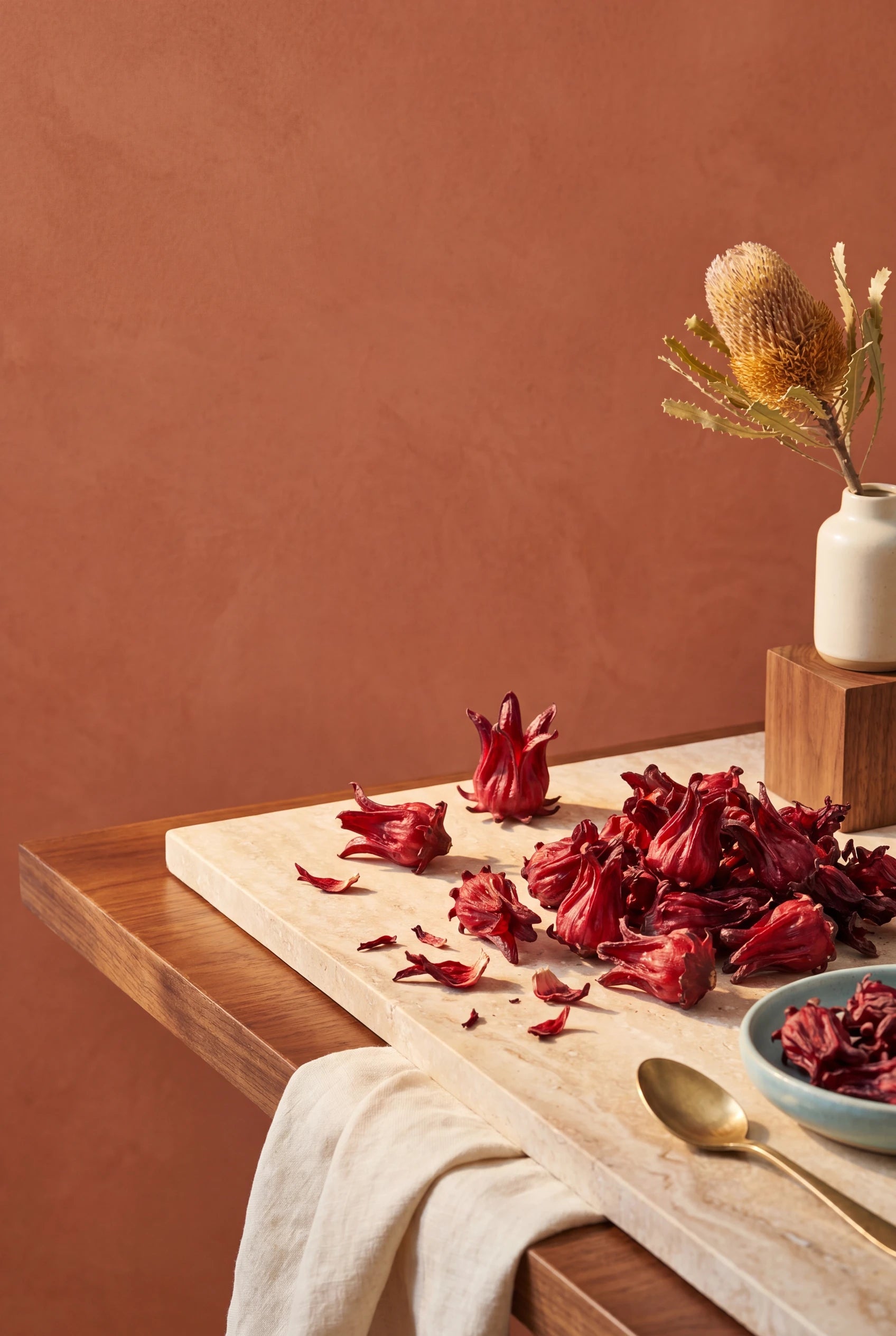
Hibiscus flower

Hibiscus sabdariffa

The star. Pooled trials found concentrated hibiscus lowered systolic blood pressure by about 7 mmHg versus placebo (Ellis et al., 2022; Serban et al., 2015), and it is rich in antioxidant anthocyanins and vitamin C. Those used concentrated doses, so a fruit blend is gentler.
Found in: Good Times teaTraditional

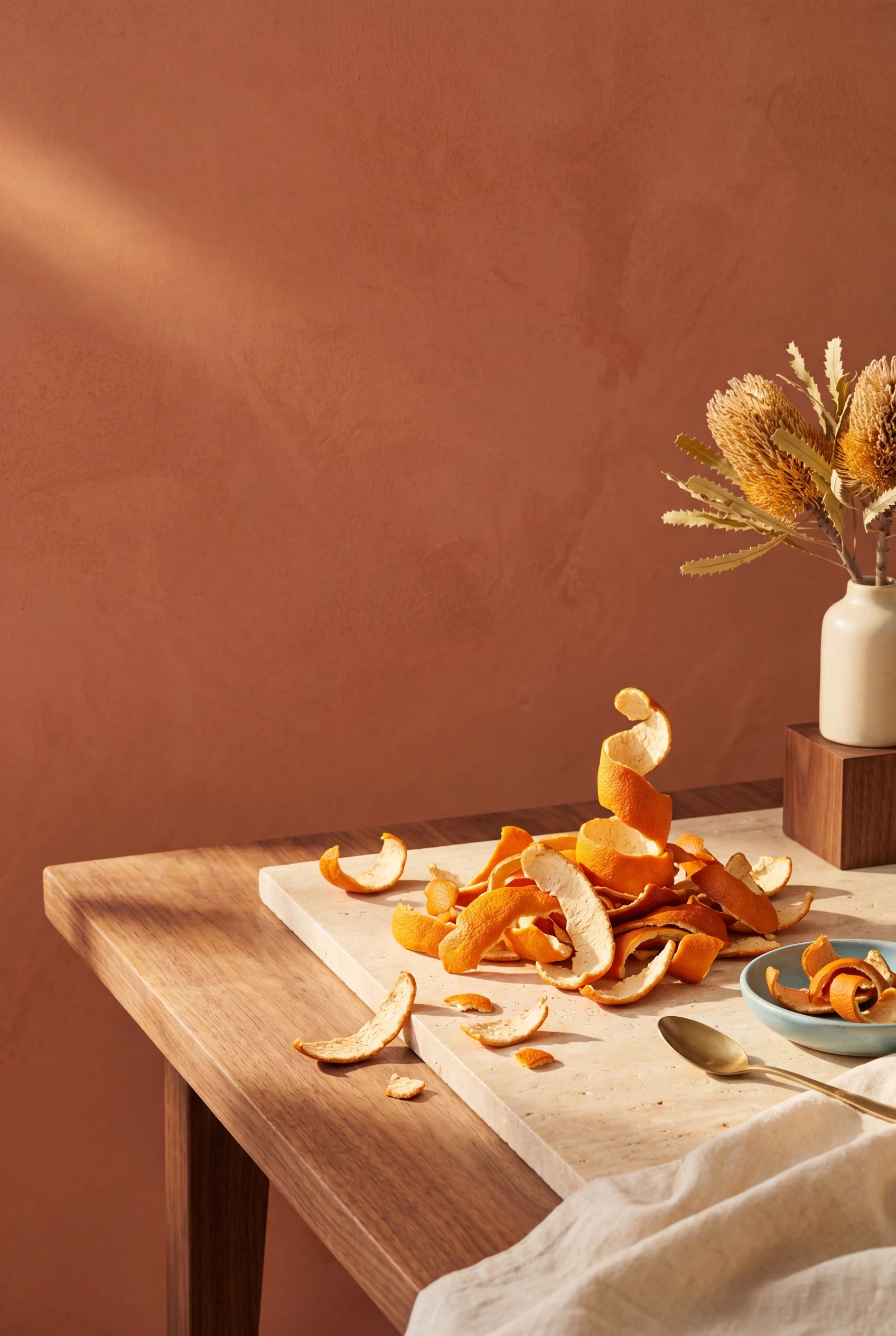
Mandarin peel

Citrus reticulata

Bright citrus that balances the tart hibiscus and lifts the whole cup, with the vitamin C and flavonoids citrus peel is known for.

Found in: Good Times teaEmerging

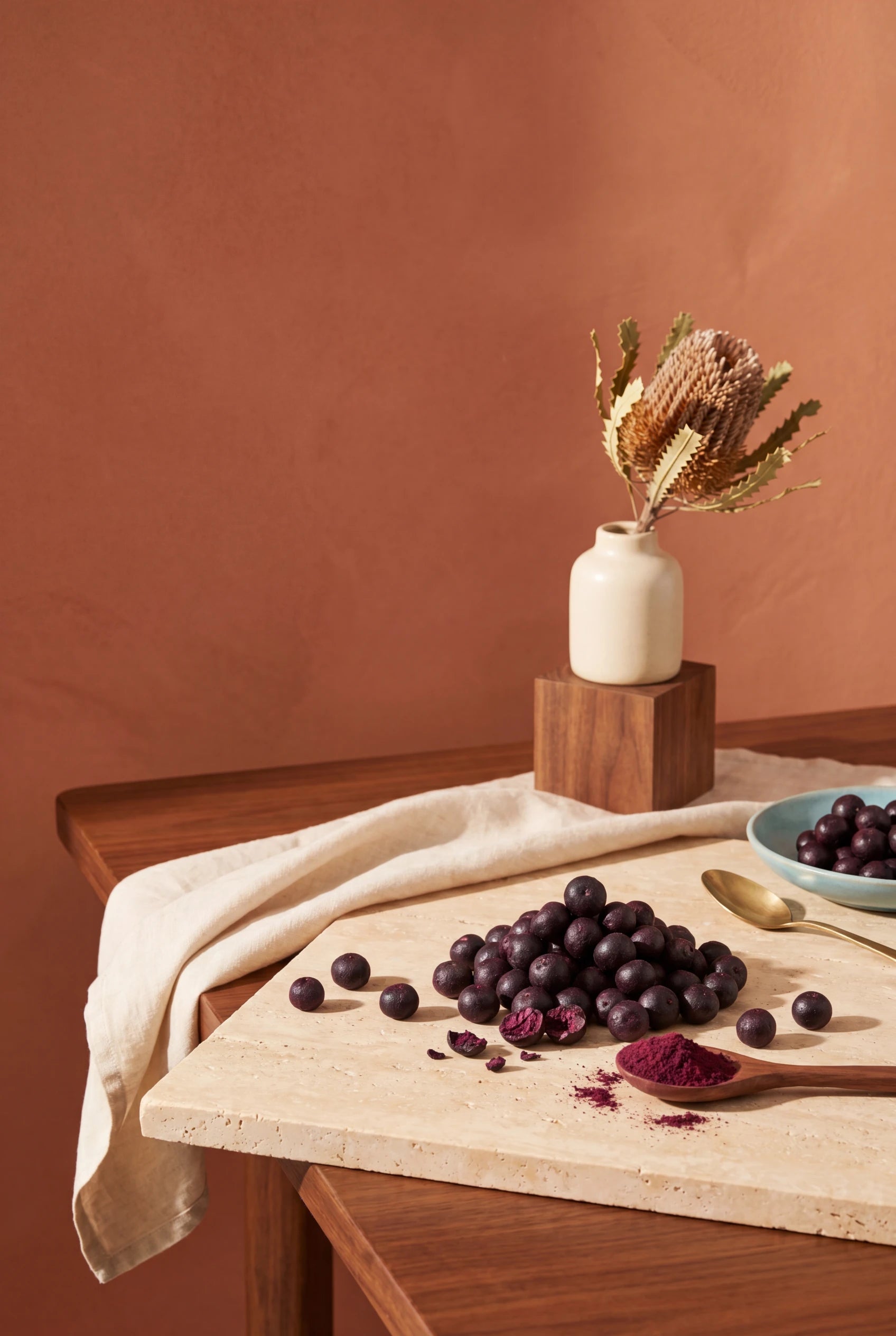
Acai berry

Euterpe oleracea

A deep berry note, valued for its anthocyanin antioxidant content, adding rounded depth to the hibiscus base.

Found in: Good Times teaTraditional

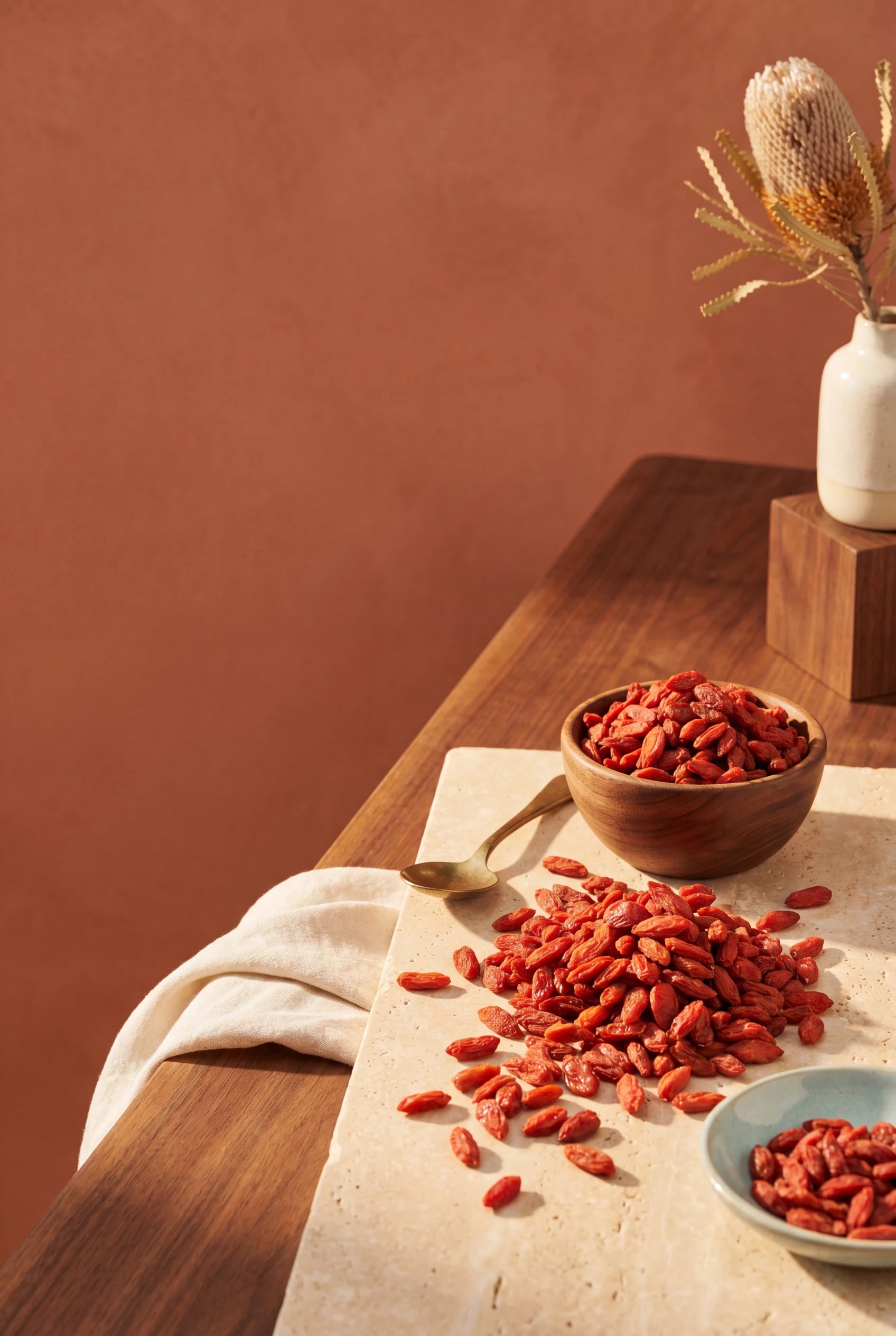
Goji berry

Lycium barbarum

A soft natural sweetness that takes the edge off the tart hibiscus, so the cup needs no added sugar.

How it adapts

What you need, and how it helps

TargetHow it solves itKey ingredientWhat you'll notice
Curious about hibiscus benefitsAn honest read of the researchHibiscus flowerClear, measured information
Wanting a tart, fruity cupRuby hibiscus balanced with fruitHibiscus + mandarinBright, not harshly sour
Cutting caffeineNaturally caffeine-freeFruit and flowerEnjoy it any hour
Avoiding sugary drinksTart-sweet from real fruit, no sugarGoji + mandarinA better daily habit
Wanting it icedBrews deep ruby, gorgeous over iceHibiscusThe best home iced tea

Outside-in routine pairings

A bright ritual for the body, too

Good Times is the bright, antioxidant-rich cup from the inside. Mint Condition is the matching ritual for your skin.

Mint Condition

Mint Condition

matcha mint body scrub

Mint Condition is our matcha mint body scrub, built on green tea and cacao antioxidants. The same bright, antioxidant thinking as your hibiscus cup, applied to your skin.

See Mint Condition

People also ask

Questions, answered

Hibiscus is one of the better-researched herbal ingredients. Pooled trials found concentrated hibiscus lowered systolic blood pressure by around 7 mmHg versus placebo (Ellis et al., 2022; Serban et al., 2015), and it is rich in antioxidant anthocyanins and vitamin C. The honest caveat: those studies used concentrated hibiscus over weeks, far more than a fruit blend, so we cite the research without claiming a cup delivers the same result.

There is a real research signal at concentrated doses, but a fruit tea with hibiscus in it is not a treatment for blood pressure, and you should never replace prescribed medication with tea. If blood pressure is a concern, talk to your doctor, and note hibiscus can interact with some medicines. We cover this in detail on our dedicated hibiscus and blood pressure guide.

Yes. It is a fruit and flower blend with no tea leaf, so no caffeine, and no added sugar either, the sweetness comes from real fruit.

Both are excellent. Hot it is warm and ruby; iced, brewed double strength over ice, it is one of the best caffeine-free iced teas you can make.

Hibiscus, honestly

The deep dive

The flower behind most fruit teas

That deep ruby colour and clean tartness in most fruit and berry teas comes from hibiscus, specifically the calyces of Hibiscus sabdariffa, sometimes sold as sour tea or roselle. It has been drunk across Africa, the Caribbean and the Middle East for centuries, both hot and iced, and it is the backbone of a good fruit blend because it brings both colour and a lemon-like tartness that makes the cup taste alive.

What the research found

Hibiscus is unusual among herbal ingredients in having real clinical attention, mostly around blood pressure. A systematic review and meta-analysis found it lowered systolic blood pressure by around 7 mmHg versus placebo (Ellis et al., 2022), with another meta-analysis finding significant reductions in both systolic and diastolic pressure (Serban et al., 2015). It is also rich in antioxidant anthocyanins, the same pigment family that gives it its colour, and in vitamin C.

The honest limit

Here is the part we will not skip. Those trials used concentrated hibiscus preparations, often the equivalent of several strong cups daily over weeks, frequently in people who already had elevated blood pressure. Good Times is a balanced fruit blend in which hibiscus is the lead, not a concentrated dose. So it is a tea built on a genuinely well-researched ingredient, not a treatment, and you should never use it in place of medical care. We cover the blood-pressure question fully in its own guide.

Why it just makes a great cup

Beyond the research, the simplest reason to drink hibiscus is that it is delicious. In Good Times we balance its tartness with sweet mandarin and soft berries so it is bright rather than harshly sour, with no added sugar. Hot, it glows ruby and warming; iced, it is arguably the best caffeine-free iced tea you can make at home. Enjoy it for that, with the research as interesting context rather than a promise.

About the author

Dan Bartley

Co-founder, Sippo

Dan co-founded Sippo with Nicole and writes the brand's ingredient guides, working from peer-reviewed sources and standards bodies like Cochrane and the NIH. He is not a medical professional, and these guides are educational, not medical advice. Every clinical claim on this page is cited in full below, with its evidence tier and any caveats noted honestly.

hello@sippo.au
The research behind this3 peer-reviewed sources, with tiers and caveats
  1. Ellis, L. R., Zulfiqar, S., Holmes, M., Marshall, L., Dye, L., & Boesch, C. (2022). A systematic review and meta-analysis of the effects of Hibiscus sabdariffa on blood pressure and cardiometabolic markers. Nutrition Reviews, 80(6), 1723-1737. https://doi.org/10.1093/nutrit/nuab104

    Tier 2Systematic review and meta-analysis (17 trials)

    Pooled chronic trials found hibiscus lowered systolic blood pressure by about 7 mmHg versus placebo. Most trials used concentrated hibiscus over weeks; a fruit blend with hibiscus is gentler, so this is context, not a promise.

  2. Serban, C., Sahebkar, A., Ursoniu, S., Andrica, F., & Banach, M. (2015). Effect of sour tea (Hibiscus sabdariffa L.) on arterial hypertension: A systematic review and meta-analysis of randomized controlled trials. Journal of Hypertension, 33(6), 1119-1127. https://doi.org/10.1097/HJH.0000000000000585

    Tier 2Systematic review and meta-analysis

    Found hibiscus significantly reduced both systolic and diastolic blood pressure across trials. Concentrated sour-tea doses; cited for the researched mechanism, not as a treatment for hypertension.

  3. Hopkins, A. L., Lamm, M. G., Funk, J. L., & Ritenbaugh, C. (2013). Hibiscus sabdariffa L. in the treatment of hypertension and hyperlipidemia: A comprehensive review of animal and human studies. Fitoterapia, 85, 84-94. https://doi.org/10.1016/j.fitote.2013.01.003

    Tier 2Comprehensive review

    Reviews the human and animal evidence for hibiscus and cardiovascular markers, and notes where evidence is still developing. Used to frame the honest, measured position this page takes.

The ruby flower, honestly described

A bright, tart, caffeine-free hibiscus cup built on a well-researched ingredient. Love it in 30 days or it's on us.

Shop Good Times