Plastic-free and sustainable

Best plastic-free body scrub, with no plastic microbeads

An organic body scrub that exfoliates with sugar and salt, never plastic microbeads, so nothing harmful washes down the drain

In short

The most important thing a plastic-free body scrub gets right is the exfoliant: many scrubs still use plastic microbeads that wash into waterways, while the best use natural grit instead. Sippo Mint Condition exfoliates with unrefined sugar and pink salt, never plastic, and is made of eight organic, food-grade ingredients. Used two to three times a week, it smooths and hydrates without sending plastic down the drain. It is a genuinely lower-impact choice, made in small batches in Sydney.

Most people are surprised to learn that the scrubbing beads in many body scrubs are plastic. Tiny polyethylene microbeads, too small to be filtered out, wash straight into rivers and oceans where they persist and absorb pollutants, which is why several countries have banned them. The fix is simple and older than the problem: exfoliate with natural grit. Mint Condition uses sugar and salt, so the scrubbing part dissolves harmlessly, and the rest of the formula is built to match.

The pick

What we'd reach for

No plastic microbeadsMint Condition

Mint Condition

matcha mint body scrub

Best for
Effective exfoliation with no plastic down the drain
Hero ingredient
Sugar and salt grit, never plastic
Match
Anyone reducing plastic, all skin types

How it compares

Sippo vs conventional scrubs on plastic

What matters for a plastic-free scrubSippo Mint ConditionConventional
Plastic microbeadsNever, sugar and salt insteadStill common in many scrubs
Exfoliant dissolves harmlesslyYes, food-grade sugar and saltNo, plastic persists in water
Synthetic fillers and detergentsNoneCommon
Organic, food-grade ingredientsYes, all eightRarely
Small-batch, local productionYes, made in SydneyUsually mass-produced offshore
Vegan and cruelty freeYesVariable

What's inside, and why

The ingredients doing the work

Found in: Mint Condition body scrubWell established

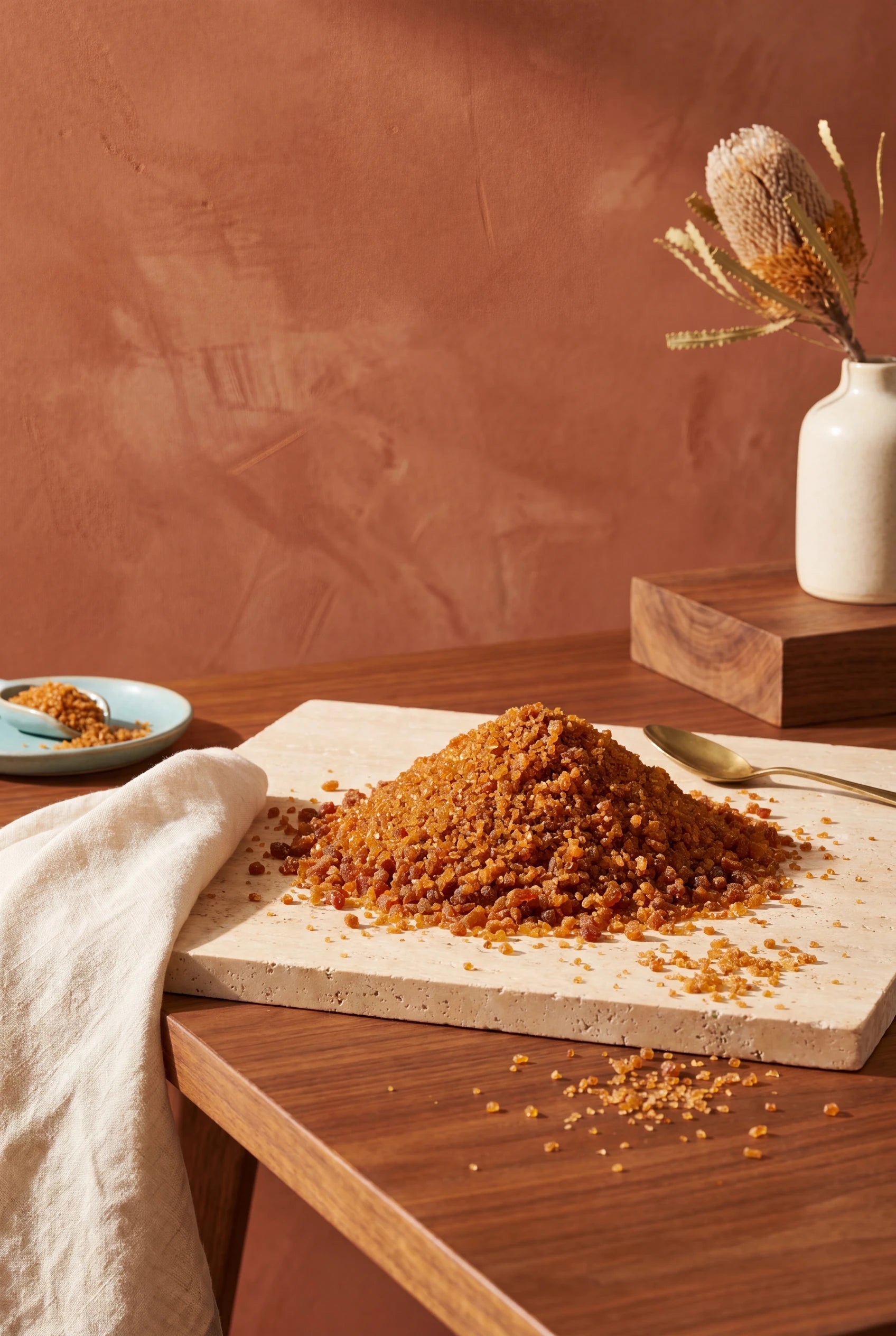
Rapadura sugar

Saccharum officinarum

The plastic-free exfoliant. Unrefined whole-cane sugar gives a fine polish and dissolves harmlessly in water, with natural AHAs for a gentle chemical assist (Tang & Yang, 2018). The direct replacement for plastic microbeads.

Found in: Mint Condition body scrubTraditional

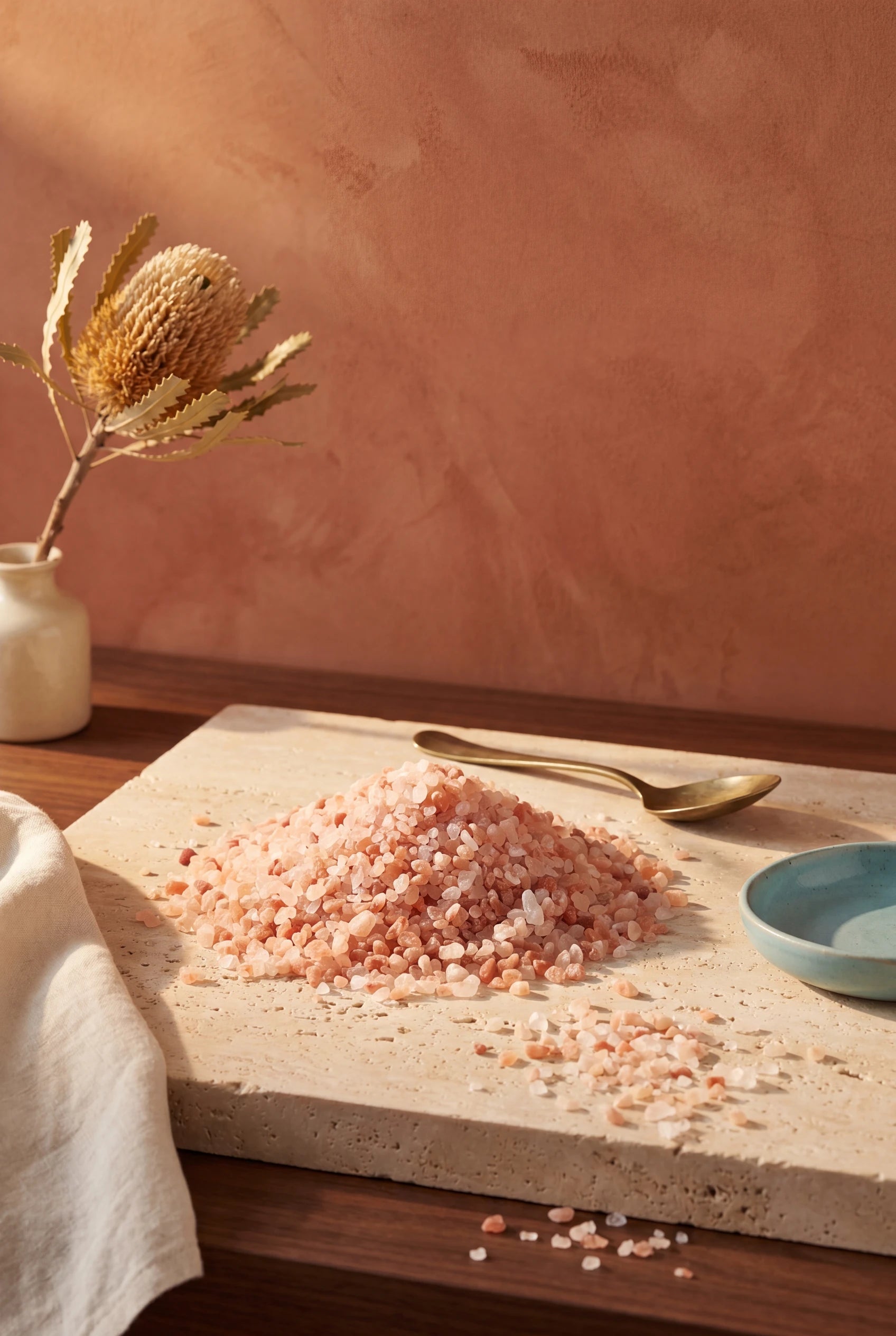
Pink Himalayan salt

Halite

The coarser natural grit for rougher areas, a mineral that dissolves away rather than persisting like plastic. Traditionally used as a body polish long before microbeads existed.

Found in: Mint Condition body scrubWell established

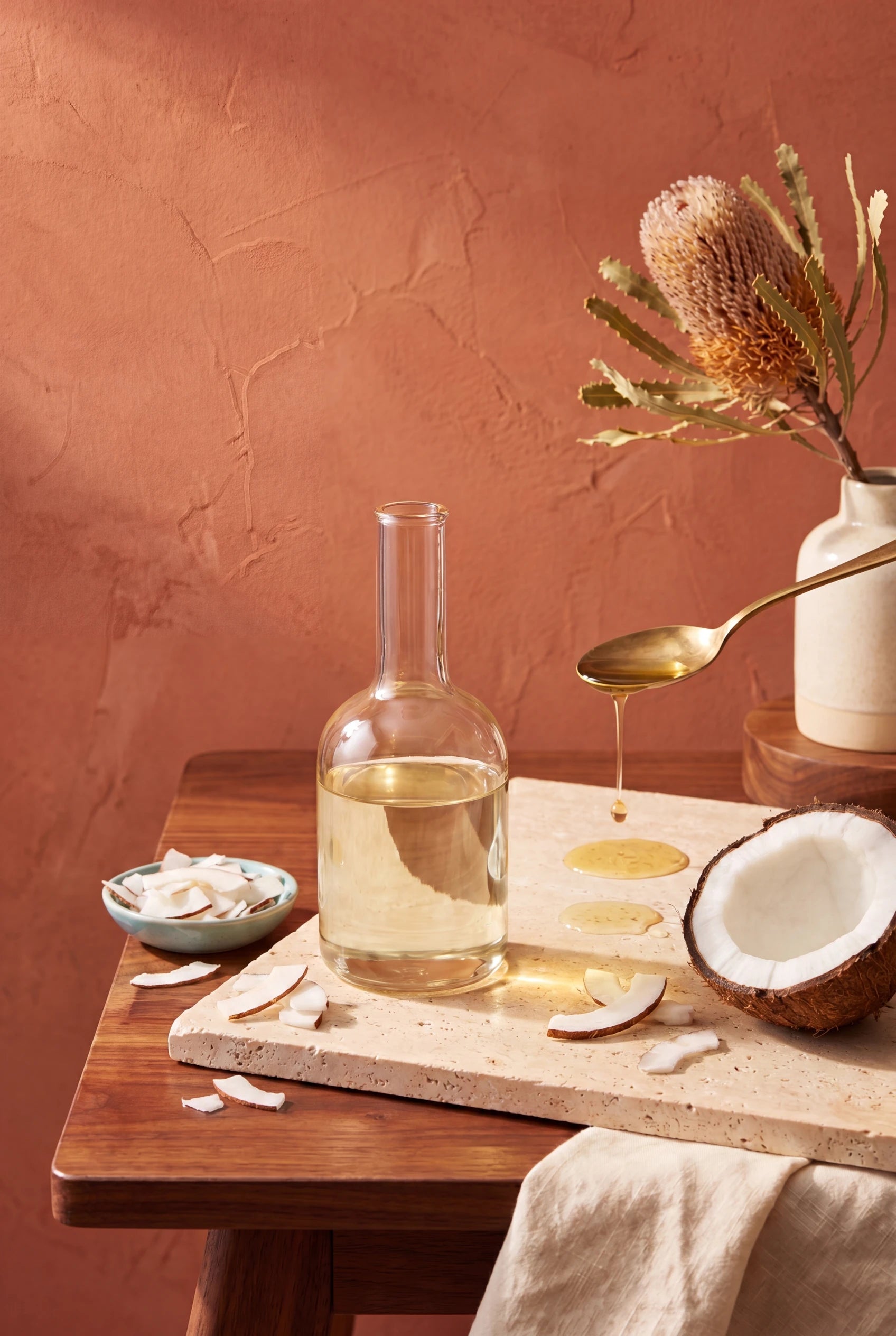
Coconut oil

Cocos nucifera

A plant oil that moisturises in place of synthetic emollients, supporting the barrier and reducing water loss (Evangelista et al., 2014). Food-grade and biodegradable, like the rest of the formula.

Found in: Mint Condition body scrubWell established

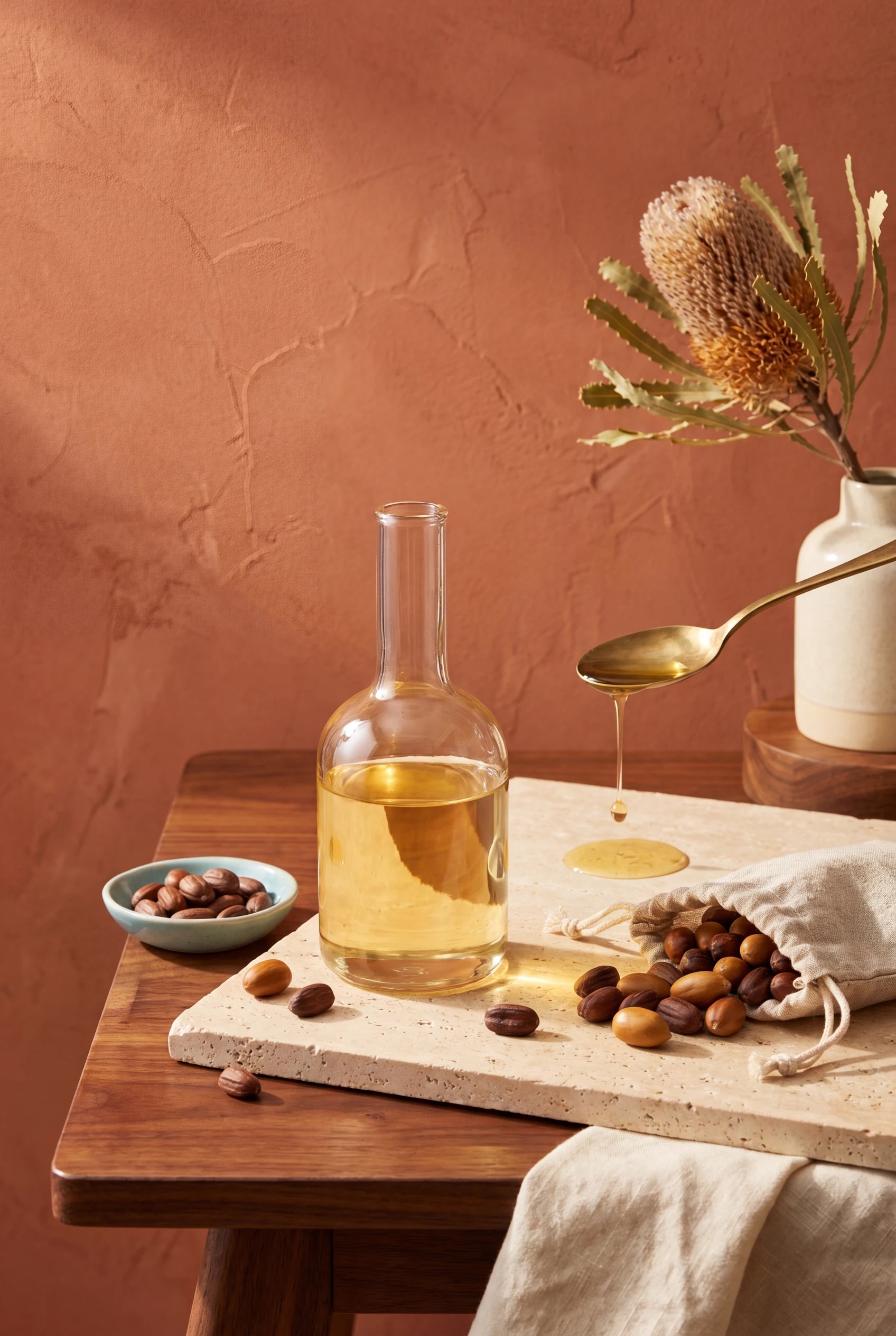
Jojoba oil

Simmondsia chinensis

A single natural oil that conditions like your own sebum without clogging pores (Pazyar et al., 2013), where many products reach for a blend of synthetics. Simple and biodegradable.

How it adapts

What you need, and how it helps

TargetHow it solves itKey ingredientWhat you'll notice
Avoiding plastic microbeadsSugar and salt exfoliate insteadRapadura + pink saltNo plastic washed down the drain
Wanting it to still work wellNatural grit exfoliates just as effectivelyMulti-grit polishSmooth skin, no compromise
Avoiding synthetic fillersPlant oils and real actives onlyEight organic ingredientsA simple, biodegradable formula
Caring about how it is madeSmall batches, made in SydneyMade in AustraliaLower-impact, local production
Wanting cruelty-free and veganNo animal products or testingCertified veganLower-impact on every front

Routine pairings

Support the routine

A lower-impact scrub pairs naturally with a tea that thinks the same way.

Good Times

Good Times

mandarin berry hibiscus tea

Good Times, like all our teas, comes in plastic-free pyramid bags with real, organic ingredients and no added sugar or flavours. A bright, antioxidant-rich cup that carries the same low-impact thinking from your shower to your kettle.

See Good Times

People also ask

Questions, answered

In many, yes. Tiny polyethylene or polypropylene microbeads have long been used as cheap exfoliants. They are too small to be filtered by water treatment, so they wash into rivers and oceans, which is why countries including the UK and others have banned them in rinse-off cosmetics. Mint Condition has never used them.

Yes. Sugar and salt have been used to polish skin for centuries and they exfoliate just as effectively, with the bonus that they dissolve harmlessly instead of persisting in the environment. You lose nothing in performance by skipping the plastic.

The formula is eight organic, food-grade, biodegradable ingredients with no synthetic fillers, it is vegan and cruelty free, and it is hand-blended in small batches in Sydney rather than mass-produced offshore. We are always working to improve, but the ingredients and the making are genuinely lower-impact.

The plastic-in-scrubs problem, in depth

The deep dive

Why there is plastic in body scrubs at all

For decades, the cheapest way to add exfoliating grit to a scrub was tiny plastic beads, usually polyethylene, uniform, cheap and effective. The problem is what happens next: at well under a millimetre, these microbeads slip straight through water-treatment filters and into rivers and oceans, where they do not break down, are eaten by marine life and absorb other pollutants along the way. The scale was large enough that countries including the United States, the United Kingdom and others have banned microbeads in rinse-off cosmetics, but they still turn up in products sold elsewhere.

Why natural grit is the obvious answer

The fix is not new technology, it is older than the problem: exfoliate with something that dissolves. Mint Condition uses unrefined rapadura sugar and pink Himalayan salt, both food-grade, both effective polishes, and both of which simply dissolve in water and wash away harmlessly. The sugar even adds a gentle chemical exfoliation through its natural AHAs (Tang & Yang, 2018), so you get a better result than plastic beads ever gave, with none of the environmental cost. Performance was never the reason for the plastic, cost was.

Lower-impact, beyond the beads

Skipping microbeads is the headline, but a genuinely lower-impact scrub has to follow through. The rest of Mint Condition is eight organic, food-grade, biodegradable ingredients: plant oils instead of synthetic emollients, real peppermint, cacao and matcha instead of synthetic fragrance and dyes (the green tea catechins are well studied on skin, Katiyar et al., 2001; the coconut oil supports the barrier, Evangelista et al., 2014). It is vegan and cruelty free, and it is hand-blended in small batches in Sydney rather than shipped from a large offshore factory. No product is perfect, and we keep working at it, but from the grit to the making, this is built to tread more lightly.

About the author

Dan Bartley

Co-founder, Sippo

Dan co-founded Sippo with Nicole and writes the brand's ingredient guides, working from peer-reviewed sources and standards bodies like Cochrane and the NIH. He is not a medical professional, and these guides are educational, not medical advice. Every clinical claim on this page is cited in full below, with its evidence tier and any caveats noted honestly.

hello@sippo.au
The research behind this4 peer-reviewed sources, with tiers and caveats
  1. Tang, S.-C., & Yang, J.-H. (2018). Dual effects of alpha-hydroxy acids on the skin. Molecules, 23(4), 863. https://doi.org/10.3390/molecules23040863

    Tier 2Peer-reviewed review

    Supports the AHA exfoliation mechanism. Discusses AHAs at formulation strengths above what raw rapadura sugar delivers, so the page applies the mechanism, not the magnitude.

  2. Evangelista, M. T. P., Abad-Casintahan, F., & Lopez-Villafuerte, L. (2014). The effect of topical virgin coconut oil on SCORAD index, transepidermal water loss, and skin capacitance in mild to moderate pediatric atopic dermatitis. International Journal of Dermatology, 53(1), 100-108. https://doi.org/10.1111/ijd.12339

    Tier 2Randomised controlled trial

    Topical virgin coconut oil reduced transepidermal water loss and improved skin hydration versus mineral oil (mean SCORAD reduction 68% vs 38%). Population was paediatric atopic dermatitis, not the general body-skin user; cited for the barrier and hydration mechanism.

  3. Pazyar, N., Yaghoobi, R., Ghassemi, M. R., Kazerouni, A., Rafeie, E., & Jamshydian, N. (2013). Jojoba in dermatology: A succinct review. Giornale Italiano di Dermatologia e Venereologia, 148(6), 687-691.

    Tier 2Peer-reviewed review

    Reviews jojoba's close similarity to human sebum, its non-comedogenic conditioning, and anti-inflammatory action. Review-level evidence, not a single large trial.

  4. Katiyar, S. K., Afaq, F., Perez, A., & Mukhtar, H. (2001). Green tea polyphenol (-)-epigallocatechin-3-gallate treatment of human skin inhibits ultraviolet radiation-induced oxidative stress. Carcinogenesis, 22(2), 287-294. https://doi.org/10.1093/carcin/22.2.287

    Tier 2Controlled human skin study

    Direct evidence that topical EGCG reduces UV-induced oxidative stress in human skin. Used a purified EGCG preparation, not a sugar scrub; cited for the antioxidant mechanism.

Great exfoliation, no plastic down the drain

Sugar and salt, not microbeads. A cleaner scrub for you and the water. Love it in 30 days or it's on us.

Shop the range