Spearmint and hormonal balance

Spearmint tea and hormonal balance: what the research actually says

An honest look at the evidence for spearmint and androgens, and where a caffeine-free spearmint cup fits

In short

No tea treats PCOS or balances your hormones, and we will not pretend one does. That said, spearmint is genuinely interesting here: two small randomised trials found drinking spearmint tea reduced androgen (testosterone) levels in women with PCOS or hirsutism. Sippo Quiet Hours is a mellow, caffeine-free blend led by spearmint, lovely to drink daily, but it is a cup of tea, not a treatment. If you are managing PCOS or a hormonal condition, please work with your doctor.

Let's be honest from the first sip: no tea is a treatment for PCOS or a way to balance your hormones, and anything sold that way is overselling. What is genuinely interesting is that spearmint, specifically, has drawn real research attention for its effect on androgens, with two small trials showing a measurable drop in testosterone. Quiet Hours is a mellow, spearmint-led cup you will enjoy daily, so this page lays out that evidence carefully and honestly.

The pick

What we'd reach for

Spearmint-led blendQuiet Hours

Quiet Hours

mellow mint tea

Best for
A mellow, caffeine-free spearmint cup to enjoy daily
Hero ingredient
Spearmint leaf
Match
Anyone who enjoys a soft spearmint tea

What's inside, and why

The ingredients doing the work

Found in: Quiet Hours teaEmerging

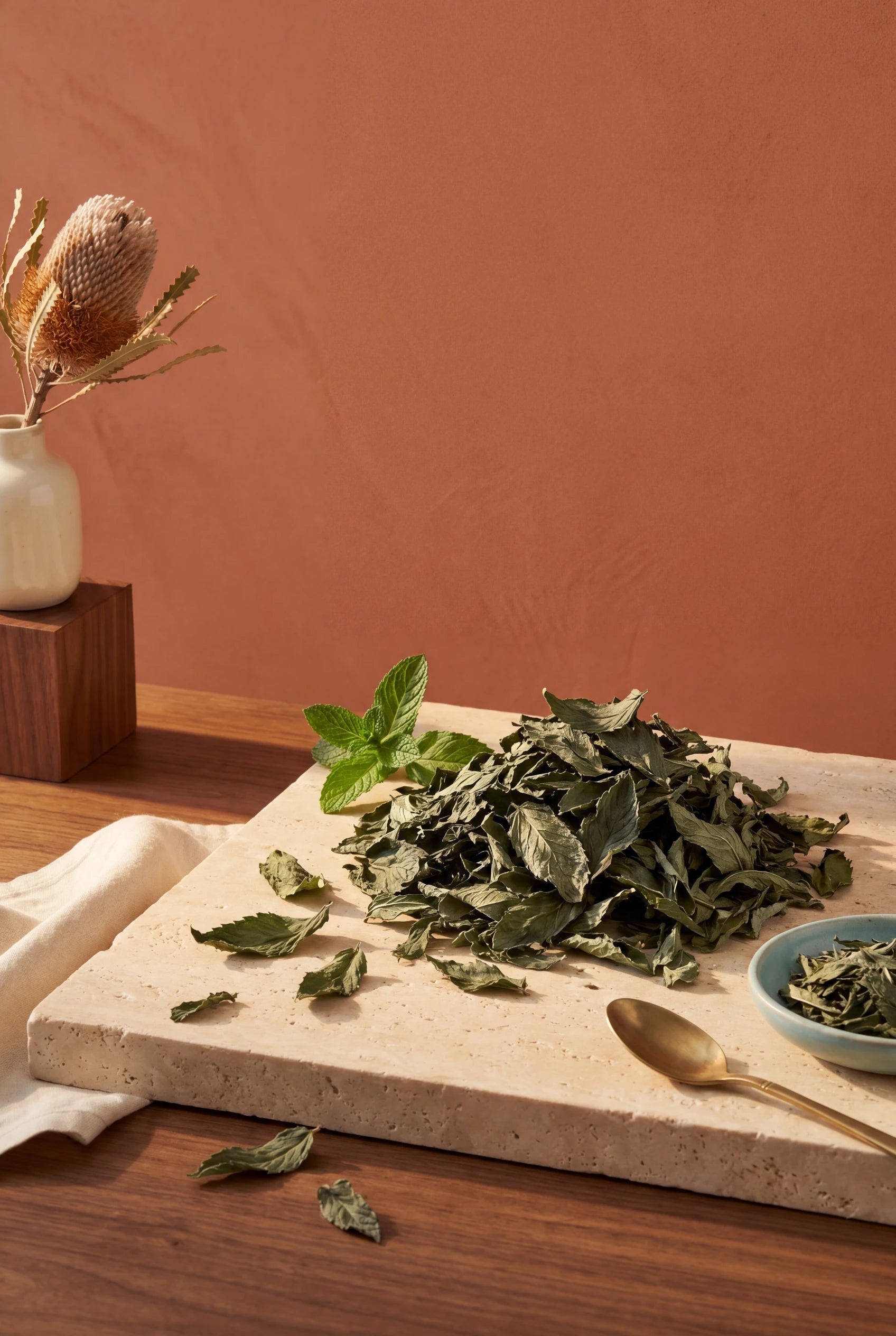
Spearmint leaf

Mentha spicata

The lead, and the reason this page exists. Two small randomised trials found spearmint tea reduced free and total testosterone in women with PCOS or hirsutism over several weeks (Grant, 2010; Akdoğan et al., 2007). Small studies; a genuine signal for the ingredient, not a treatment.
Found in: Quiet Hours teaWell established

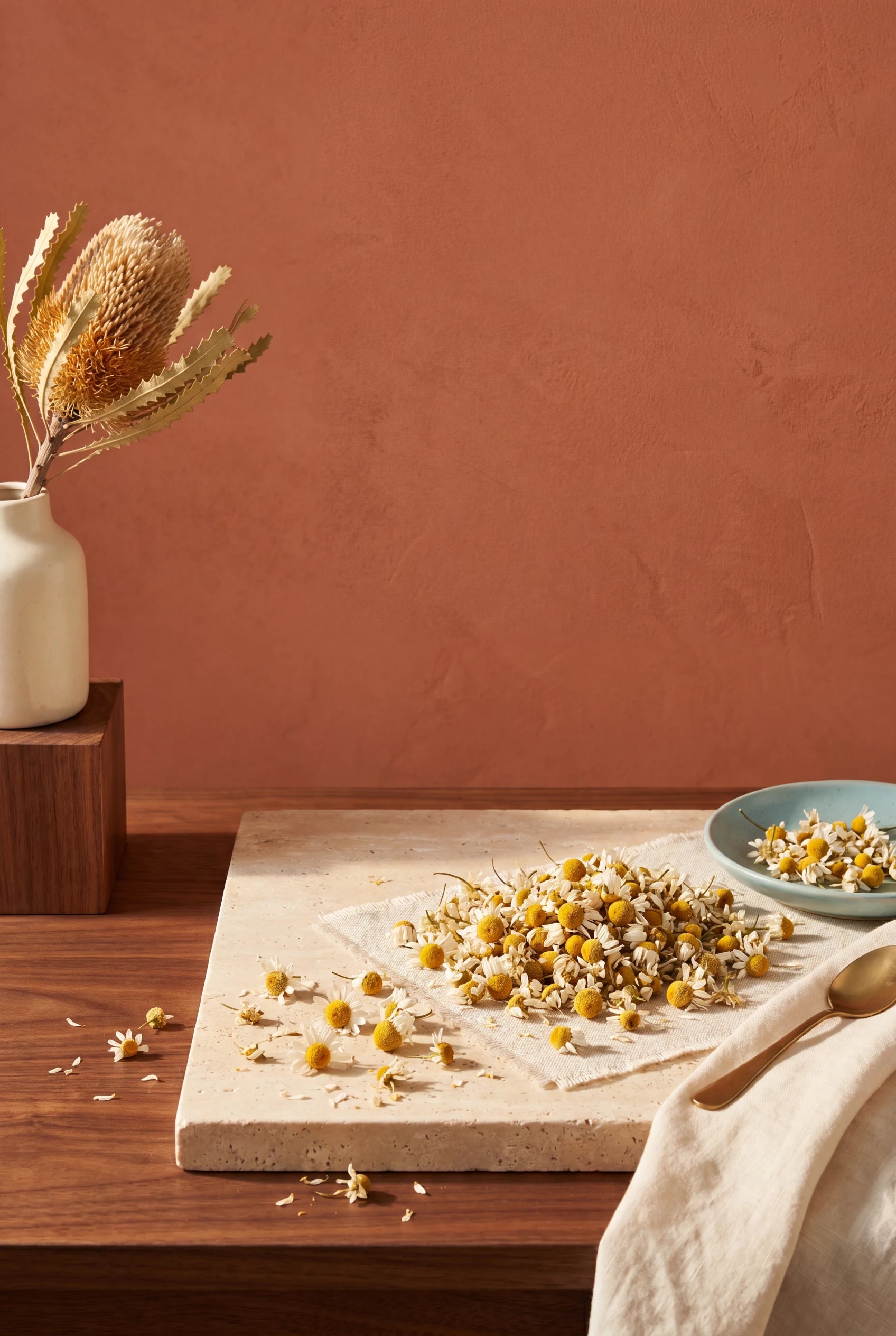
Chamomile flowers

Matricaria chamomilla

A gentle, calming flower that has its own research interest in calm and sleep quality, and a soft floral note in the cup.

Found in: Quiet Hours teaWell established

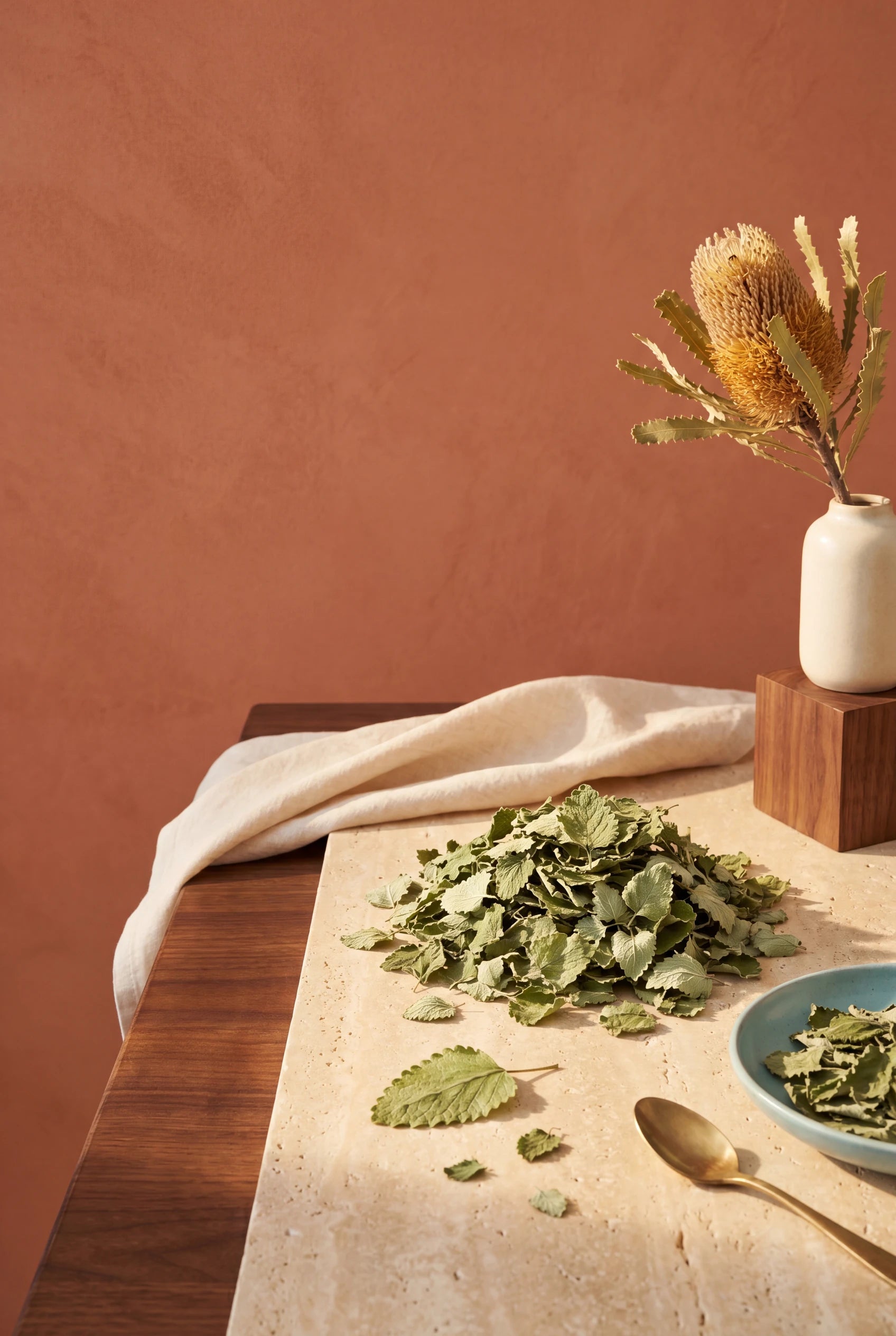
Lemon balm leaf

Melissa officinalis

A soft, citrusy herb studied for calm and mood, rounding out the spearmint with a gentle lift.

Found in: Quiet Hours teaTraditional

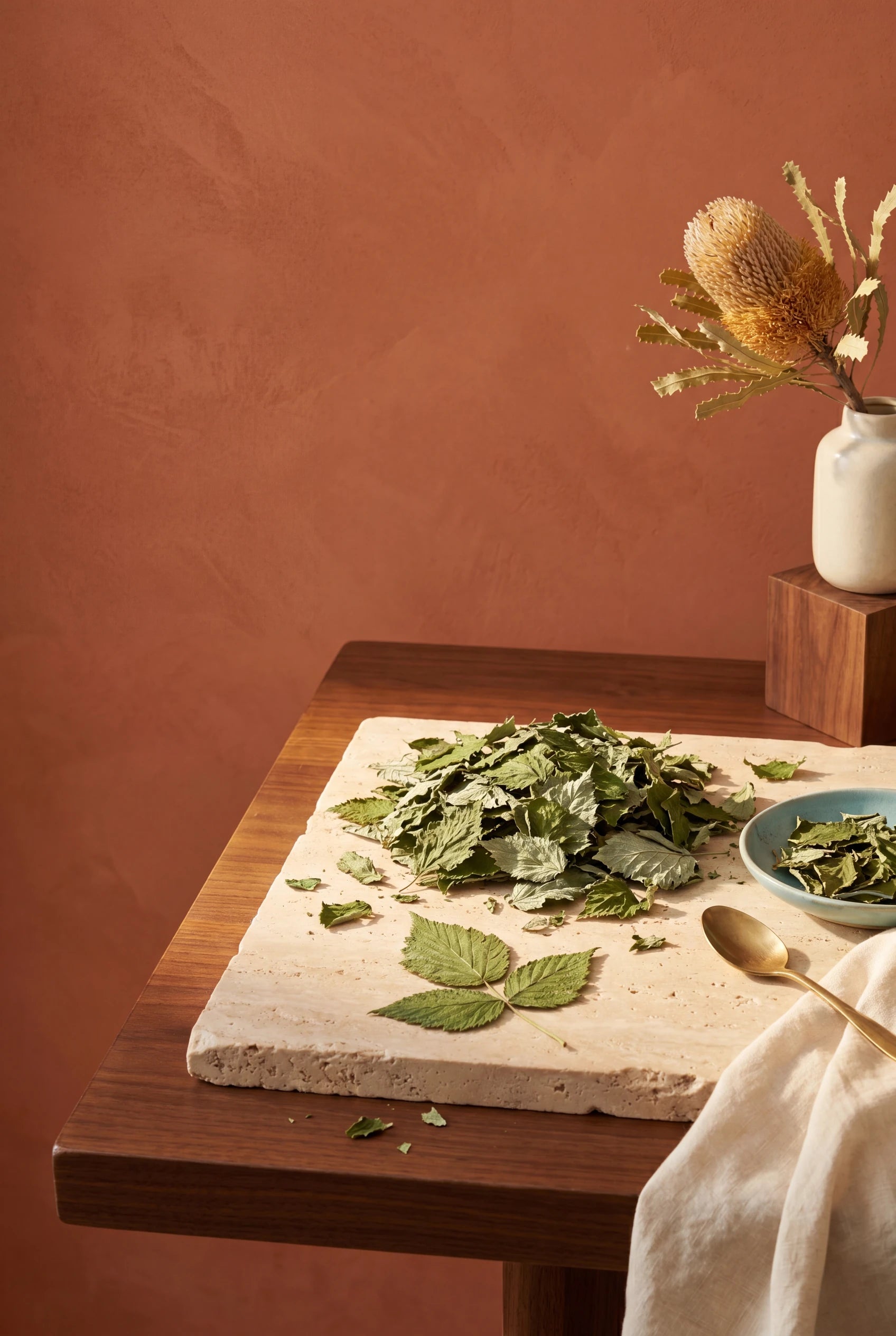
Raspberry leaf

Rubus idaeus

A grounding herbal base with a long traditional use in women's wellness, though we keep that to tradition rather than a clinical claim.

How it adapts

What you need, and how it helps

TargetHow it solves itKey ingredientWhat you'll notice
Curious about spearmint and hormonesAn honest read of the research, not a promiseSpearmint leafClear, measured information
Wanting a daily cup you enjoyA mellow, soft spearmint blendSpearmint + lemon balmA genuinely lovely tea
Cutting caffeineNaturally caffeine-freeHerbal, no tea leafDrink it any hour
Building a calm routineChamomile and lemon balm for the eveningCalming herbsA soothing daily ritual

Outside-in routine pairings

A ritual for your skin, too

Quiet Hours is a soft, spearmint-led daily ritual from the inside. Mint Condition is the matching ritual for your skin from the outside.

Mint Condition

Mint Condition

matcha mint body scrub

Mint Condition is our matcha mint body scrub, sharing the mint family with your cup. A gentle daily scrub pairs naturally with a daily tea, a calm ritual inside and out.

See Mint Condition

People also ask

Questions, answered

There is a real, if small, signal. Two randomised trials found drinking spearmint tea reduced free and total testosterone in women with PCOS or hirsutism over several weeks (Grant, 2010; Akdoğan et al., 2007). But these were small studies, the visible effect on hair growth approached but did not reach significance, and a tea is not a treatment. So we will say spearmint is an interesting, well-tolerated ingredient, and nothing more than that.

No. Please keep working with your doctor and continue any prescribed treatment. Spearmint tea is a pleasant daily drink that you might enjoy alongside proper care, not a substitute for it. Raise it with your doctor if you would like to include it.

The trials used roughly two cups of spearmint tea a day over several weeks. We are not going to suggest a dose for a health effect, because that would be presenting a tea as a medicine. Enjoy Quiet Hours as you would any tea, and keep your expectations grounded.

For most people spearmint tea is a gentle, everyday herbal drink. If you are pregnant, breastfeeding, on medication or managing a hormonal condition, check with your doctor first, and avoid chamomile if you are allergic to daisy-family plants.

Spearmint and hormones, honestly

The deep dive

Start with the limit

Spearmint and PCOS is exactly the kind of topic where wellness marketing tends to lose its head, so let's anchor it: no tea treats PCOS, hormonal balance is not something you drink your way to, and you should never replace medical care with a cup of anything. PCOS is a real condition that deserves real treatment. With that firmly established, the spearmint research is still genuinely interesting on its own terms.

What the research found

Two randomised, controlled trials looked at spearmint tea specifically. In women with PCOS, drinking spearmint tea twice daily for 30 days reduced free and total testosterone (Grant, 2010), and an earlier study found a similar androgen-lowering effect in women with hirsutism (Akdoğan et al., 2007). That is a real and unusual finding for a common herb. It is worth knowing about, and worth being honest about its size.

Why a teabag is not a clinical dose

Both trials were small, the studies were short, and in the PCOS trial the reduction in visible hirsutism approached but did not reach statistical significance. They also used spearmint tea brewed specifically and consistently for the study. So while Quiet Hours is led by spearmint, it is a balanced, mellow blend made to enjoy, not a measured dose for a hormonal effect. The right framing is: a well-tolerated herb with a genuine but early research signal, in a cup you will actually like.

Where a daily cup fits

If the spearmint research drew you here, the sensible takeaway is this: enjoy Quiet Hours as a lovely, calming, caffeine-free daily tea, keep any expectations modest, keep working with your doctor on anything hormonal, and mention spearmint to them if you would like to. Drunk that way, it is a genuinely pleasant ritual built on one of the more interesting herbs we use, no hype required.

About the author

Dan Bartley

Co-founder, Sippo

Dan co-founded Sippo with Nicole and writes the brand's ingredient guides, working from peer-reviewed sources and standards bodies like Cochrane and the NIH. He is not a medical professional, and these guides are educational, not medical advice. Every clinical claim on this page is cited in full below, with its evidence tier and any caveats noted honestly.

hello@sippo.au
The research behind this2 peer-reviewed sources, with tiers and caveats
  1. Grant, P. (2010). Spearmint herbal tea has significant anti-androgen effects in polycystic ovarian syndrome: A randomized controlled trial. Phytotherapy Research, 24(2), 186-188. https://doi.org/10.1002/ptr.2900

    Tier 2Randomised controlled trial (n=42)

    Drinking spearmint tea twice daily for 30 days reduced free and total testosterone in women with PCOS. Small trial; the reduction in visible hirsutism approached but did not reach significance. Genuine signal for the ingredient, not a treatment claim.

  2. Akdoğan, M., Tamer, M. N., Cüre, E., Cüre, M. C., Köroğlu, B. K., & Delibaş, N. (2007). Effect of spearmint (Mentha spicata Labiatae) teas on androgen levels in women with hirsutism. Phytotherapy Research, 21(5), 444-447. https://doi.org/10.1002/ptr.2074

    Tier 2Small clinical study (n=21)

    Spearmint tea reduced free testosterone in women with hirsutism over a short intervention. Very small and brief; supports the anti-androgen direction, not a clinical promise.

An interesting herb, honestly described

A mellow, caffeine-free spearmint cup, built on a genuine but early research signal. No hype. Love it in 30 days or it's on us.

Shop Quiet Hours