Chamomile tea benefits

Chamomile tea benefits: what the research actually says

An honest look at the evidence for chamomile, the most-researched calming herb, and the blend it leads

In short

Chamomile is the most-researched calming herb, with trials and a meta-analysis linking it to improved anxiety and sleep quality, though usually at extract doses higher than a teabag. Sippo Quiet Hours is built around chamomile with lemon balm, spearmint and marshmallow root, a mellow, caffeine-free evening cup. It is a soothing ritual with real research interest behind its key herb, not a sedative or a treatment.

Chamomile is the herb people reach for at the end of the day, and unusually for a folk remedy it has real research behind it. Here is the honest version of what that research shows, and where a chamomile-led cup like Quiet Hours genuinely fits, as a soothing evening ritual rather than a medicine.

The pick

What we'd reach for

Chamomile-led blendQuiet Hours

Quiet Hours

mellow mint tea

Best for
A mellow, caffeine-free chamomile evening cup
Hero ingredient
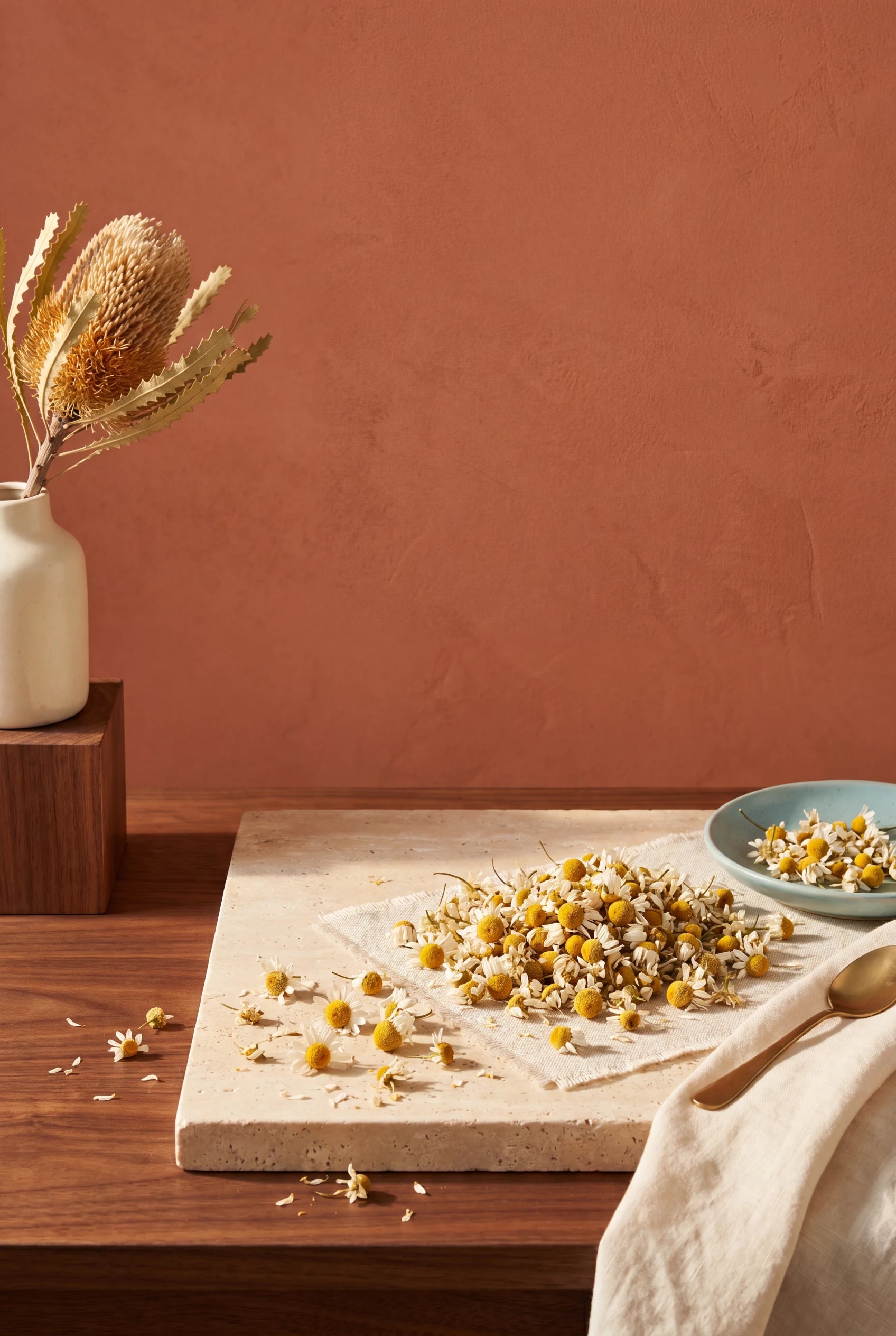
Chamomile flowers
Match
Anyone who loves a calming evening tea

How it compares

Sippo Quiet Hours vs a basic chamomile tea bag

What matters in a chamomile teaSippo Quiet HoursConventional
Whole chamomile flowers, not dustYes, in a pyramid bagOften dust and fannings
Built into a balanced blendYes, with lemon balm and mintUsually chamomile alone
Caffeine freeYesYes
Added sugar or flavouringNoneSometimes
Honest about the evidenceYes, ritual not sedativeOften overclaims
Certified organicYesVariable

What's inside, and why

The ingredients doing the work

Found in: Quiet Hours teaWell established

Chamomile flowers

Matricaria chamomilla

The star. Chamomile carries apigenin, studied for binding the same calming receptors as some relaxants, and a meta-analysis and trials have linked it to improved anxiety and sleep quality (Hieu et al., 2019; Mao et al., 2016; Adib-Hajbaghery & Mousavi, 2017). Those used concentrated extracts, so a teabag is gentler.

Found in: Quiet Hours teaWell established

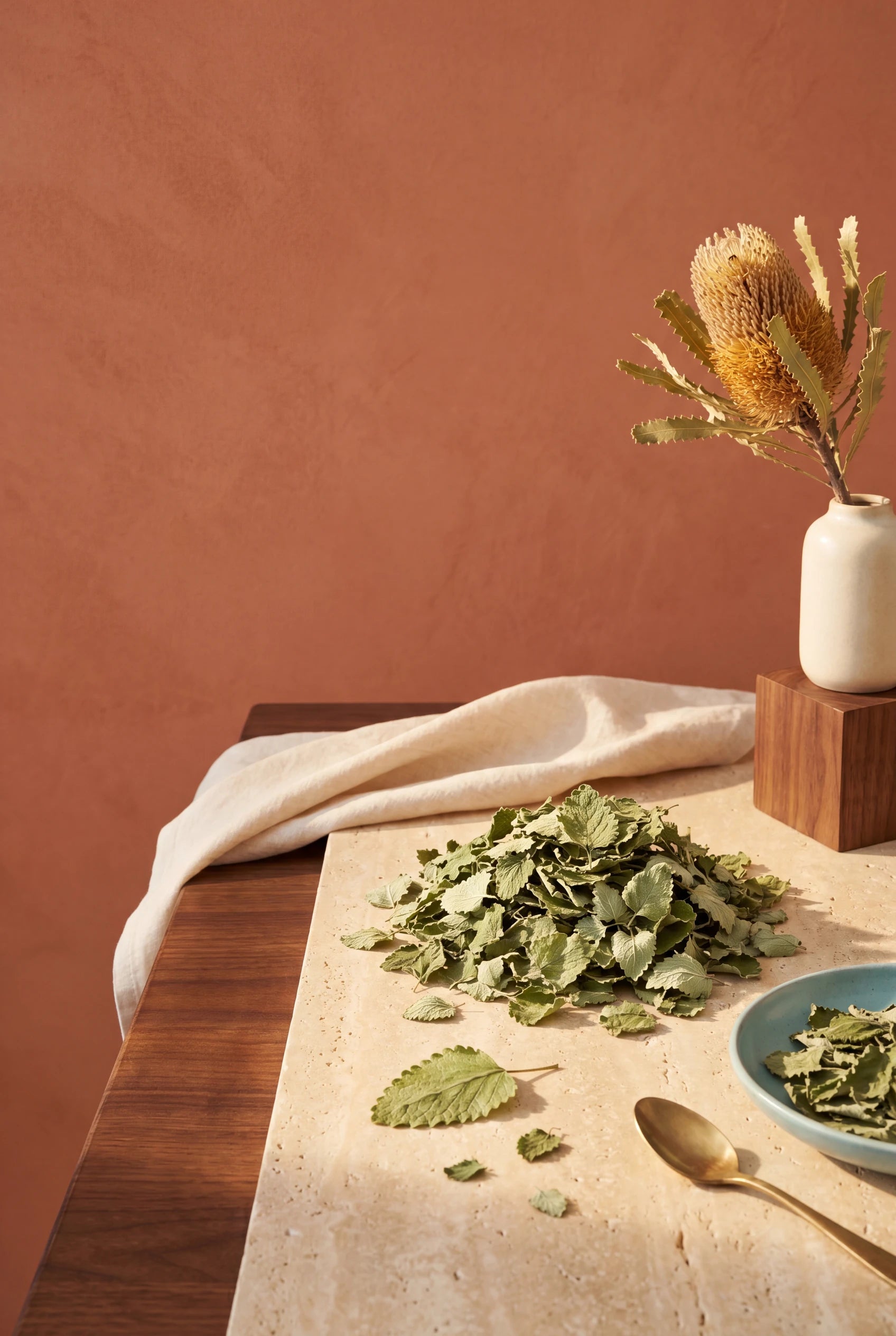
Lemon balm leaf

Melissa officinalis

Chamomile's natural partner, a soft citrusy herb shown in a meta-analysis to improve calm and mood versus placebo (Ghazizadeh et al., 2021).

Found in: Quiet Hours teaTraditional

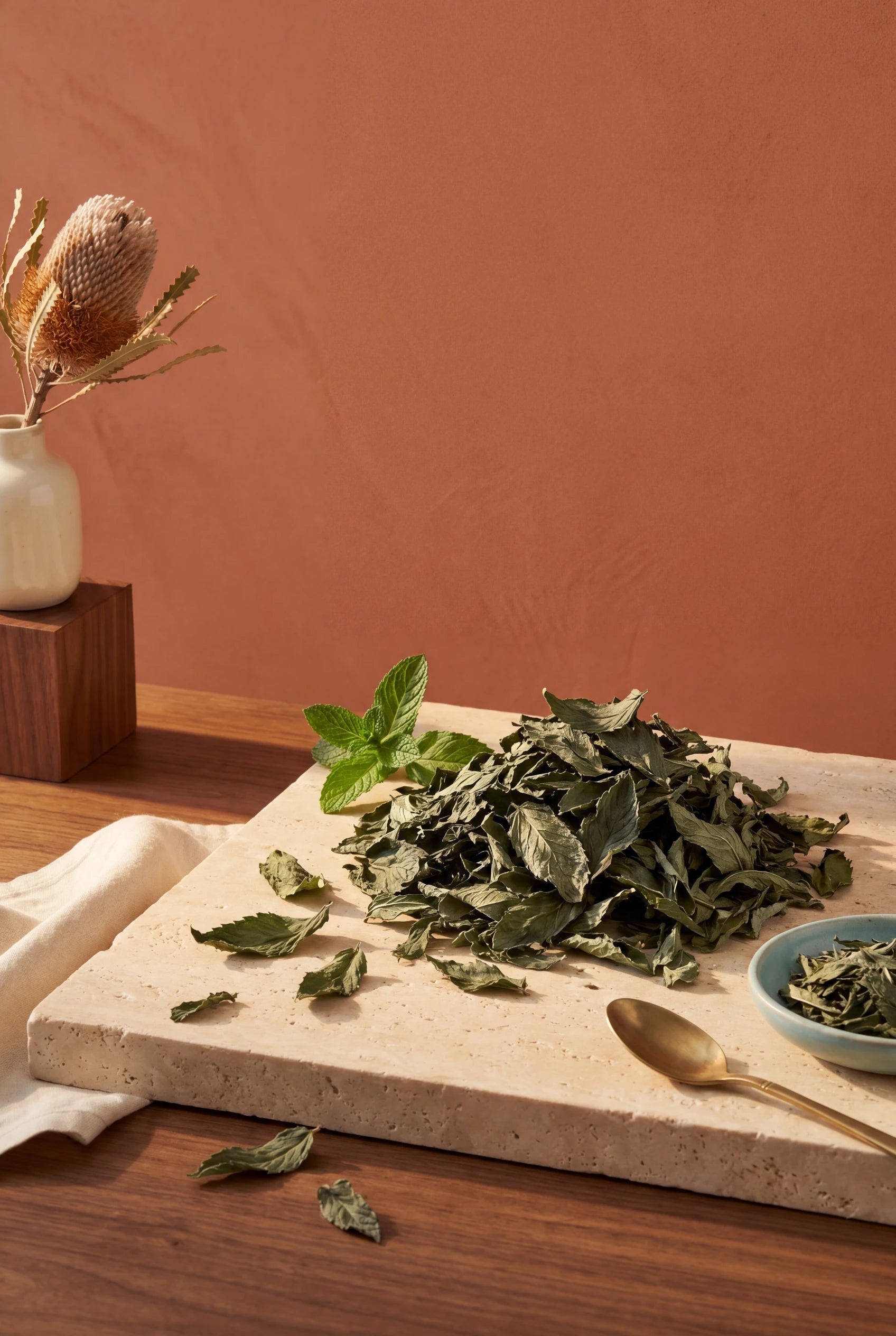
Spearmint leaf

Mentha spicata

The mellow mint heart that makes the cup a pleasure to drink, soft and sweet rather than sharp.

Found in: Quiet Hours teaTraditional

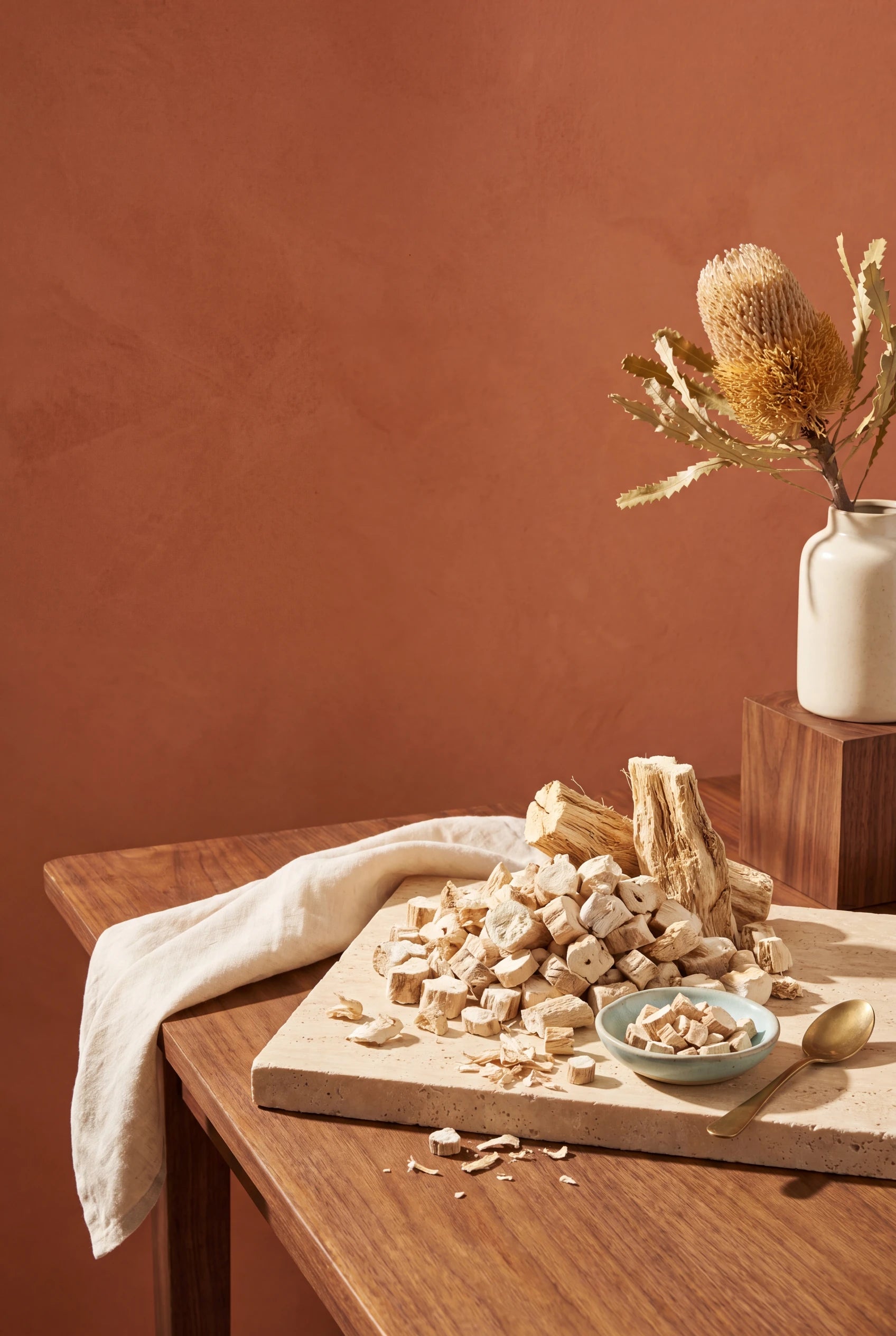
Marshmallow root

Althaea officinalis

A traditional demulcent that gives the cup a smooth, soothing, rounded body (ESCOP, 2019).

How it adapts

What you need, and how it helps

TargetHow it solves itKey ingredientWhat you'll notice
Wanting the calm chamomile is known forA chamomile-led blend, whole flowersChamomile flowersA genuinely soothing cup
Disliking thin, dusty chamomile bagsWhole flowers in a pyramid bagReal chamomileFuller, rounder flavour
Winding down at nightCaffeine-free, with calming herbsChamomile + lemon balmAn easy evening ritual
Finding chamomile alone boringBalanced with mint and lemon balmThe blendA cup you look forward to
Wanting it cleanNo added sugar or flavouringReal organic herbsHonest and simple

Outside-in routine pairings

Complete the evening ritual

Chamomile calms the evening from the inside. A warm shower with Mint Condition winds the body down from the outside.

Mint Condition

Mint Condition

matcha mint body scrub

Mint Condition is our matcha mint body scrub. A warm evening shower followed by a chamomile cup is a complete, caffeine-free wind-down, the inside and outside of a calm night.

See Mint Condition

People also ask

Questions, answered

Chamomile is the most-researched calming herb. Trials and a meta-analysis have linked it to improved anxiety and sleep quality (Hieu et al., 2019; Mao et al., 2016), and it contains apigenin, studied for binding calming receptors. We are honest that those studies used concentrated extracts at higher doses than a teabag, so a cup is best thought of as a soothing ritual with real research interest behind it, not a sedative.

It can help mostly by supporting a calming wind-down ritual, and a clinical trial found chamomile extract improved sleep quality in older adults (Adib-Hajbaghery & Mousavi, 2017). It is not a sleeping pill, and for ongoing sleep problems your doctor is the right port of call.

For most people it is a gentle, everyday herbal tea. Chamomile is in the daisy family, so avoid it if you are allergic to those plants, and if you are pregnant, breastfeeding or on medication, check with your doctor first.

Enjoy a cup in the evening as part of your wind-down. We will not prescribe a dose for an effect, because that would be treating a tea as a medicine. Drink it because it is calming and lovely.

Chamomile, honestly

The deep dive

Why chamomile is the calming herb

Of all the herbs associated with calm, chamomile has the longest history and the most research. It contains apigenin, a compound studied for binding to the same receptors in the brain that some calming medications target, which gives a plausible mechanism for the soothing reputation it has carried for centuries. It is the herb most people already reach for at night, and for once the folk wisdom has science taking it seriously.

What the research actually found

The evidence is genuinely interesting. A randomised trial found long-term chamomile reduced anxiety symptoms (Mao et al., 2016), a systematic review and meta-analysis linked it to improvements in anxiety and sleep quality (Hieu et al., 2019), and a clinical trial found chamomile extract improved sleep quality in older adults (Adib-Hajbaghery & Mousavi, 2017). That is a strong base for a herb. The honest caveat: these studies used concentrated chamomile extracts at doses well above what a teabag delivers.

What that means for a cup of tea

So we hold two true things together. Chamomile is genuinely well-researched for calm, and a cup of chamomile tea is gentler than the extracts in those trials. The right framing is that Quiet Hours is built on a herb with real research interest, and a warm caffeine-free cup of it makes an excellent, soothing evening ritual, the value of which comes from both the herb and the ritual itself. It is not a sedative, and we will never call it one.

Why we blend it

Chamomile on its own can be thin and, frankly, a little boring. Quiet Hours keeps chamomile as the lead but rounds it with lemon balm, also researched for calm (Ghazizadeh et al., 2021), mellow spearmint for flavour, and marshmallow root for a smooth body. The result is a chamomile cup you will actually look forward to every night, which matters, because the ritual only works if you keep it.

About the author

Dan Bartley

Co-founder, Sippo

Dan co-founded Sippo with Nicole and writes the brand's ingredient guides, working from peer-reviewed sources and standards bodies like Cochrane and the NIH. He is not a medical professional, and these guides are educational, not medical advice. Every clinical claim on this page is cited in full below, with its evidence tier and any caveats noted honestly.

hello@sippo.au
The research behind this6 peer-reviewed sources, with tiers and caveats
  1. Hieu, T. H., Dibas, M., Surya Dila, K. A., Sherif, N. A., Hashmi, M. U., Mahmoud, M., Trang, N. T. T., Abdullah, L., Nghia, T. L. B., Y, M. N., Hoang-Trong, T., Tien Huy, N., Karimzadeh, S., Kamel, M. G., & Huy, N. T. (2019). Therapeutic efficacy and safety of chamomile for state anxiety, generalized anxiety disorder, insomnia, and sleep quality: A systematic review and meta-analysis of randomized trials and quasi-randomized trials. Phytotherapy Research, 33(6), 1604-1615. https://doi.org/10.1002/ptr.6349

    Tier 2Systematic review and meta-analysis

    Pooled trials found chamomile improved anxiety and sleep quality. The included studies vary in form and dose; this supports research interest in chamomile for sleep, framed cautiously for a tea.

  2. Mao, J. J., Xie, S. X., Keefe, J. R., Soeller, I., Li, Q. S., & Amsterdam, J. D. (2016). Long-term chamomile (Matricaria chamomilla L.) treatment for generalized anxiety disorder: A randomized clinical trial. Phytomedicine, 23(14), 1735-1742. https://doi.org/10.1016/j.phymed.2016.10.012

    Tier 2Randomised controlled trial (n=179)

    Chamomile was safe and reduced anxiety symptoms over the long term. Used 1500 mg of chamomile EXTRACT daily (far more concentrated than a cup of tea), so we cite this for the ingredient's researched calming mechanism, not as proof a teabag matches that dose.

  3. Adib-Hajbaghery, M., & Mousavi, S. N. (2017). The effects of chamomile extract on sleep quality among elderly people: A clinical trial. Complementary Therapies in Medicine, 35, 109-114. https://doi.org/10.1016/j.ctim.2017.09.010

    Tier 2Clinical trial

    Chamomile extract improved self-reported sleep quality in older adults. Used a concentrated extract in a specific population; cited for the sleep-support mechanism, not as a general promise.

  4. Ghazizadeh, J., Sadigh-Eteghad, S., Marx, W., Fakhari, A., Hamedeyazdan, S., Torbati, M., Taheri-Tarighi, S., Araj-Khodaei, M., & Mirghafourvand, M. (2021). The effects of lemon balm (Melissa officinalis L.) on depression and anxiety in clinical trials: A systematic review and meta-analysis. Phytotherapy Research, 35(12), 6690-6705. https://doi.org/10.1002/ptr.7252

    Tier 2Systematic review and meta-analysis

    Pooled clinical trials found lemon balm improved anxiety and depression scores versus placebo. The strongest evidence is for calm/mood; we extend it to evening wind-down cautiously.

  5. European Scientific Cooperative on Phytotherapy. (2019). Althaeae radix (Marshmallow root). ESCOP Monographs (2nd ed., supplement). ESCOP.

    Tier 1Phytotherapy monograph

    Gold-standard monograph documenting marshmallow root's traditional demulcent (soothing) action on the throat and mucous membranes. Cited for the smooth, soothing character of the cup, a traditional use.

  6. National Center for Complementary and Integrative Health. (2020, October). Chamomile. U.S. Department of Health and Human Services. https://www.nccih.nih.gov/health/chamomile

    Tier 1Government health-agency reference

    An official, conservative overview of chamomile's traditional uses and safety. It notes evidence is still preliminary for many uses, which is the honest position this page takes.

The calm herb, in a cup worth keeping

Whole-flower chamomile, balanced and caffeine free, honestly described. Love it in 30 days or it's on us.

Shop Quiet Hours